
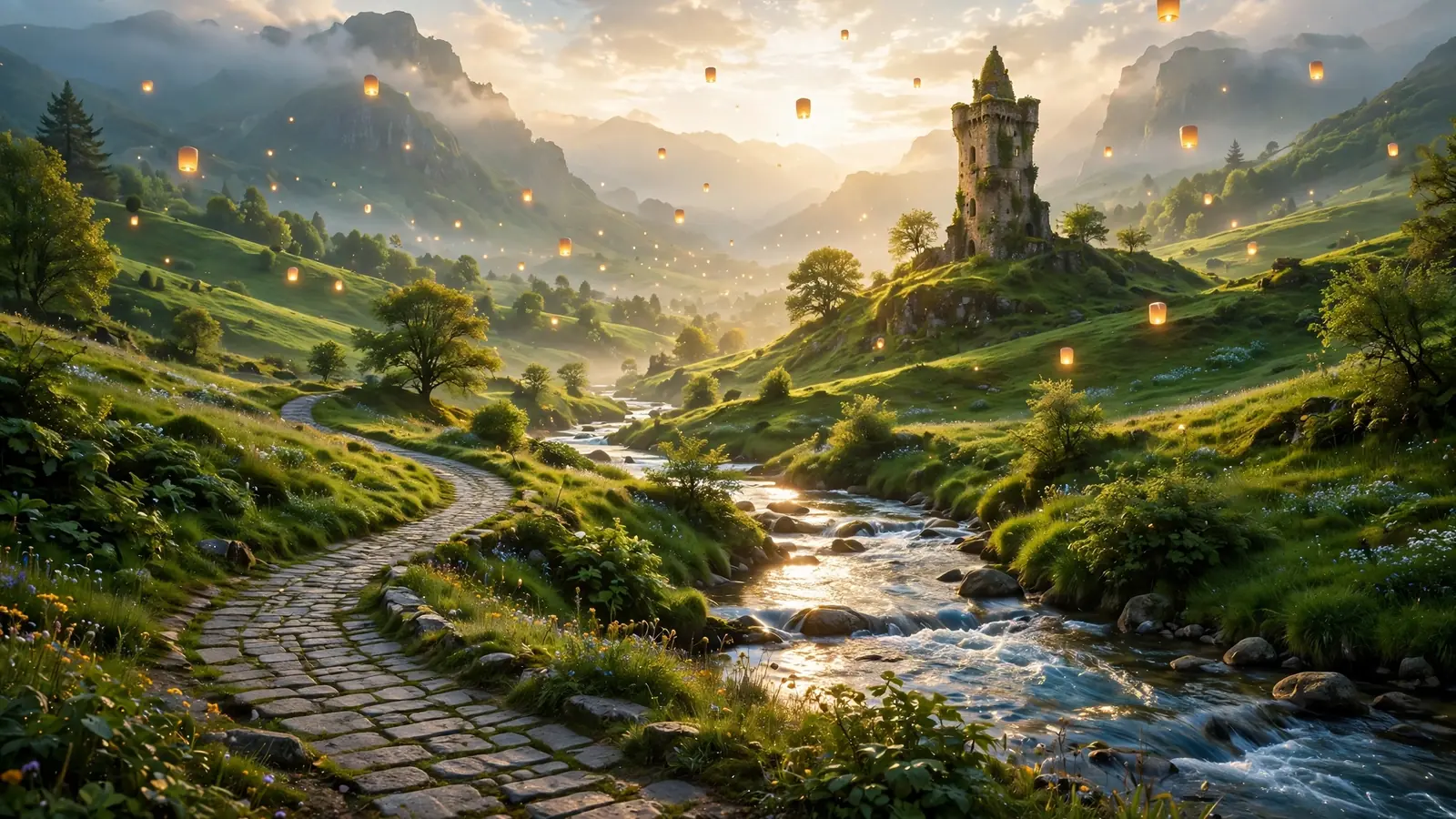
A great fantasy novel does not just tell you a story. It hands you a map, a set of rules, a history, and a place to live for a while. You learn the names of its towns the way you learn the streets of a new neighborhood. By the final chapter, leaving feels like moving away from somewhere real.
The seven books below build worlds that reward that kind of settling in. There is a university where students learn to name things, a city where ash falls like snow, a kingdom where winter is a threat and a promise, a canal city run by thieves, an England where magic has returned, a valley shadowed by a living forest, and a war torn land full of gloriously flawed people.
You do not need to read them in order. Some are the first book in a series, and some stand alone. Each one opens a complete world on its own, and each one will leave you checking the shelf for the next book before you have finished the last page.
What ties them together is not dragons or sword fights, though there are plenty of both. It is the feeling that the world keeps going when the characters leave the room. Markets open, wars simmer, old magic stirs, and ordinary people make choices that matter. That depth is what turns a good story into a place you want to revisit.
One warning before you start. These are absorbing reads, the kind that steal an evening and then ask for the weekend too. Pick the world that calls to you first, make something warm to drink, and settle in for a long stay.
Seven Worlds, One Shelf
From a magic university to a canal city of thieves, here is where each journey begins.
1. The Name of the Wind by Patrick Rothfuss
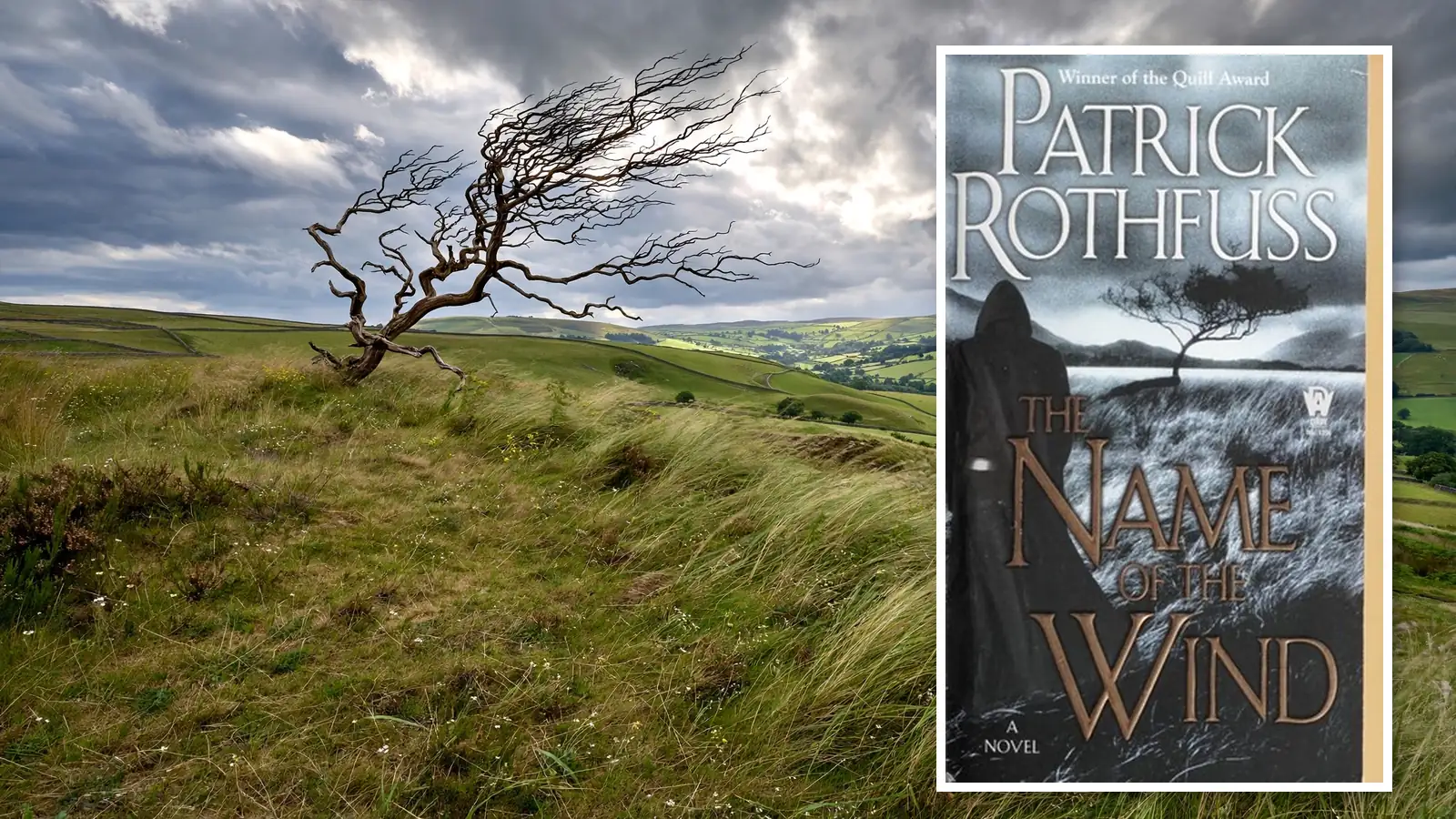
Kvothe is a legend, and he knows it. When this story opens, he is hiding in plain sight as an innkeeper in a quiet town, telling his own life story over three days to a traveling chronicler. What follows is the first day of that tale, and it is one of the most richly told coming of age stories in modern fantasy.
We meet Kvothe as a brilliant child in a troupe of traveling players, a boy who learns music, acting, and the first hints of a deeper kind of magic called naming. Then his world breaks apart, and he survives alone in a hard city before fighting his way into the University, a place where students study sympathy, alchemy, and the dangerous art of calling things by their true names.
Patrick Rothfuss writes prose that reads like music. Sentences roll, scenes glow, and small moments, a song played well, a lesson finally understood, a friend defended, land with real weight. The University feels like a place you could walk through: drafty halls, busy workshops, a vast library, and an underground warren of tunnels where Kvothe hides when he has nowhere else to go.
This is the book to start with if you love beautiful writing and a hero you will root for even when he is being reckless. Kvothe is clever, proud, and often his own worst enemy, which only makes his story more human. You will finish it wanting the next day of his tale immediately, and you will not be alone in that.
2. Mistborn: The Final Empire by Brandon Sanderson
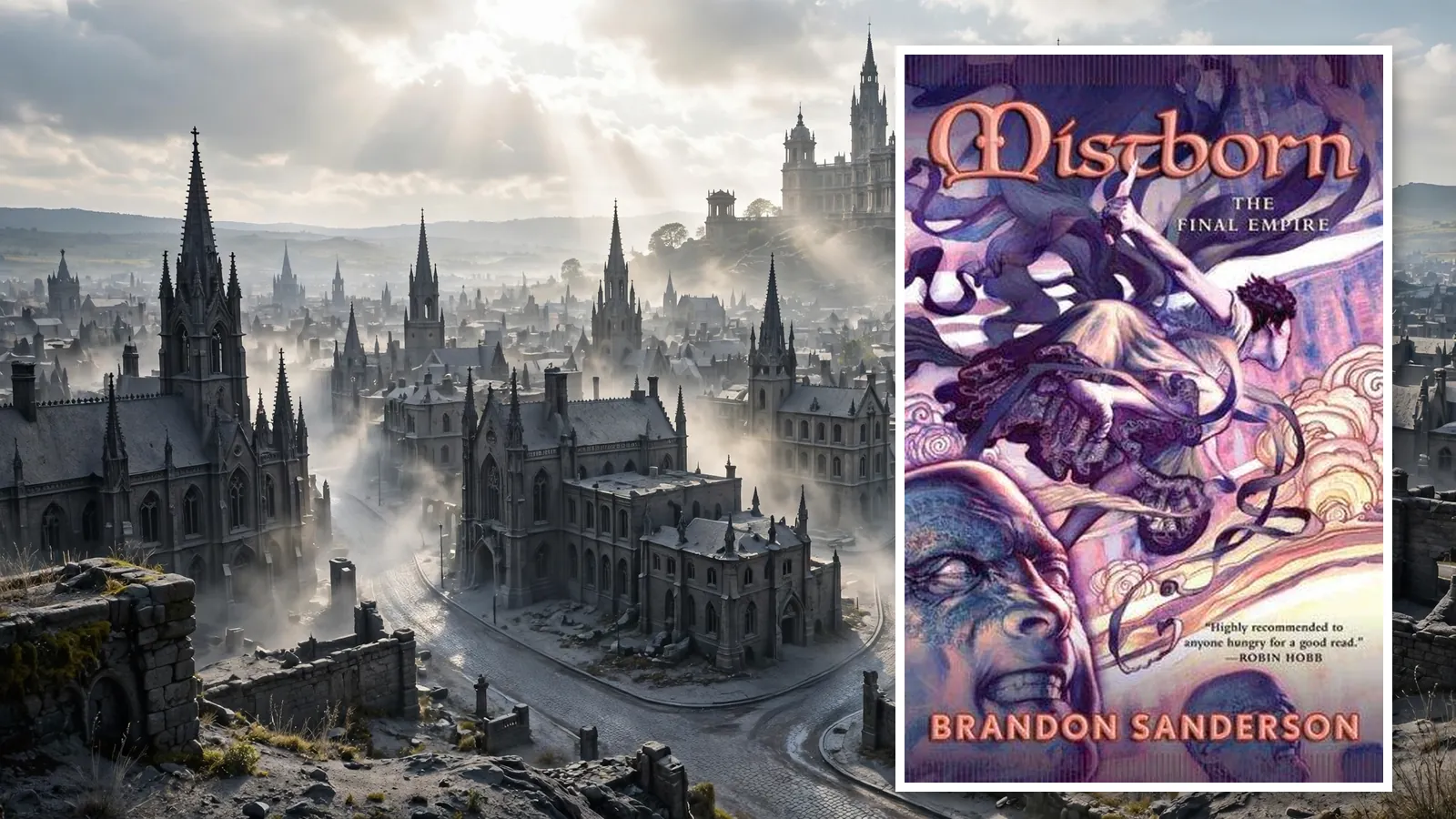
For a thousand years, the Lord Ruler has ruled the world of Scadrial, and he has not been kind about it. Ash falls from the sky, plants grow brown, and mists cover the land every night. Most people, the skaa, live as slaves under a nobility that answers to an immortal tyrant. Then a thief named Kelsier comes up with the most impossible heist in history: overthrow a god.
Kelsier gathers a crew, and at its heart is Vin, a street urchin who does not yet know she is a Mistborn, someone who can burn metals to gain powers like superhuman strength, heightened senses, and the ability to push and pull on metal itself. Watching Vin learn to trust people, and to trust herself, is the emotional core of the book.
Brandon Sanderson builds his magic system like an engineer and tells his story like a showman. The rules of Allomancy are clear, the costs are real, and the twists keep coming right up to a final act that reframes everything you thought you understood. The heist structure gives the epic scale a tight, propulsive shape: a plan, a crew, a city, and a deadline.
Read this one if you want a fantasy that moves fast, rewards careful reading, and still finds room for humor and heart. It is the most accessible doorway into Sanderson’s larger connected universe, and it stands perfectly well on its own if you never read another page of it.
3. A Game of Thrones by George R. R. Martin
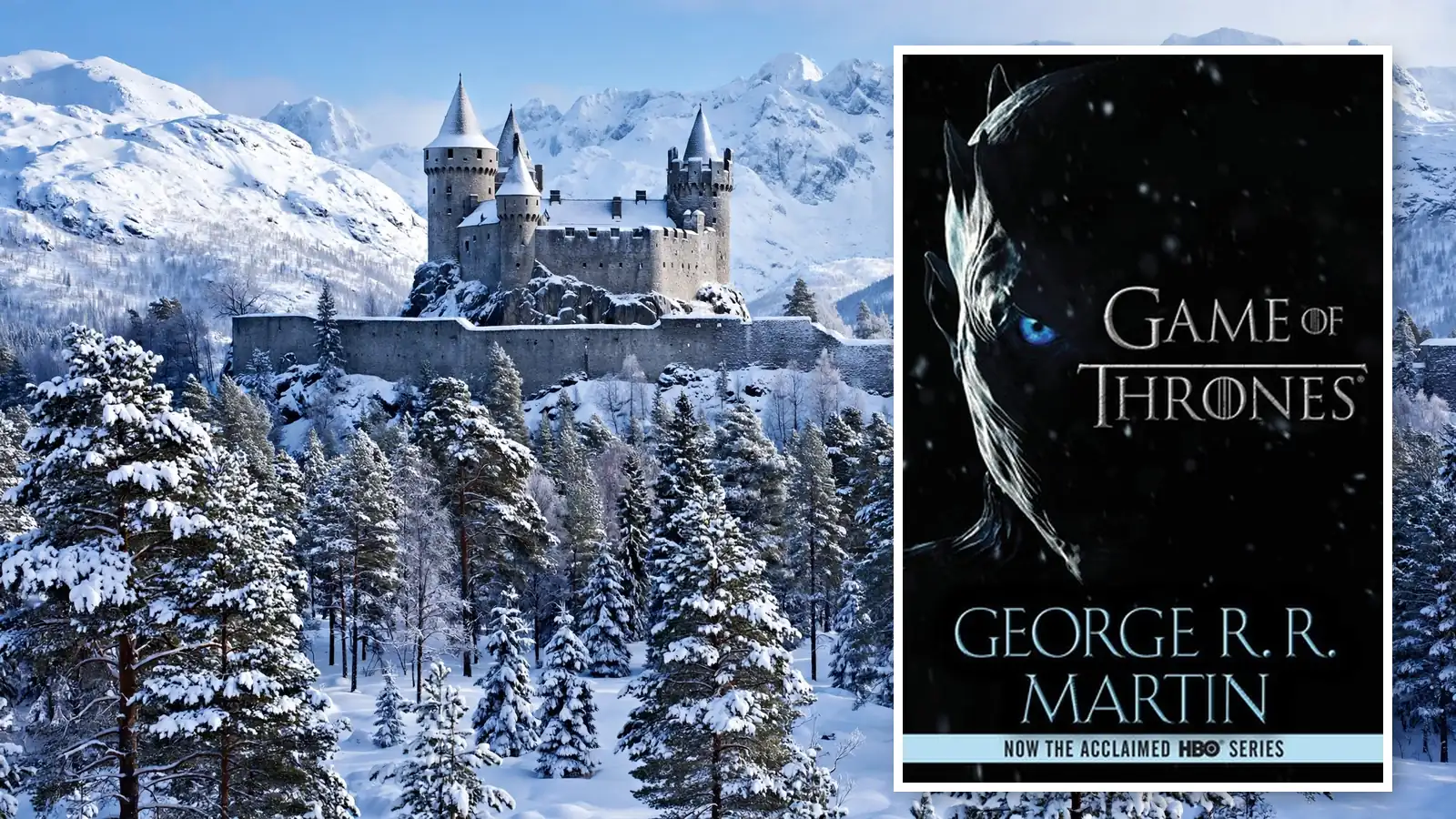
Winter is coming. That warning hangs over the whole of Westeros, a continent of seven kingdoms where summers can last for years and winters can last a lifetime. When King Robert Baratheon rides north to Winterfell and asks his old friend Ned Stark to serve as his Hand, the Starks are pulled from their cold, honorable home into a capital full of plots, debts, and hungry ambition.
George R. R. Martin tells the story through many eyes: Ned, trying to do right in a place that punishes honesty; his wife Catelyn, fierce in defense of her children; his children, scattered by events they barely understand; and across the sea, Daenerys Targaryen, a young exile who begins the book as a pawn and ends it as something far more dangerous.
This is fantasy for readers who love politics, family, and moral gray areas. No one is safe just because they are good, and no villain is simple just because they are cruel. The world feels old and lived in, from the Wall in the far north, guarded by the Night’s Watch, to the hot streets of King’s Landing, where every smile might hide a knife.
Start here if you want the biggest, most talked about fantasy world of the last thirty years. The book came first, and it remains the best way in: richer, stranger, and more patient than any screen version, with characters whose choices will keep you arguing long after you close it.
4. The Lies of Locke Lamora by Scott Lynch
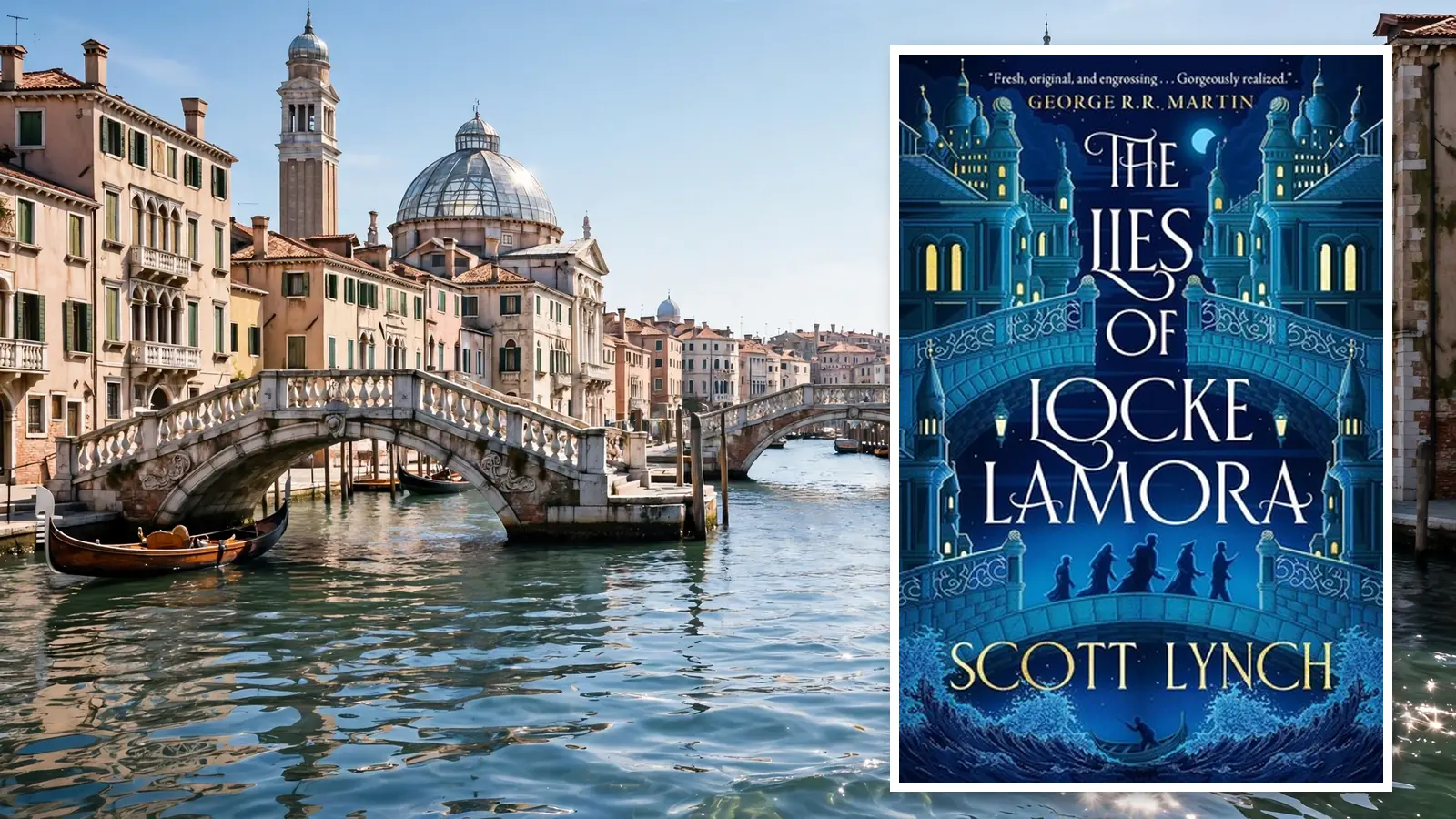
Camorr is a city of canals, towers, and thieves, built on the ruins of a far older civilization. Locke Lamora is its brightest young criminal, leader of the Gentleman Bastards, a small gang that robs the rich while pretending to be minor noblemen. They are good at it. They are also about to walk straight into a war between the city’s criminal underworld and a killer who does not play by any rules at all.
Scott Lynch writes with swagger. The cons are clever, the dialogue crackles, and the flashbacks to Locke’s childhood, raised by a priest who is really a master thief, give every present day gamble a deeper root. You learn how a hungry orphan became the Thorn of Camorr, and why his friends would follow him into almost any scheme.
What makes this book sing is its people. Jean Tannen, Locke’s huge and loyal right hand, is the heart of the crew. The Sanza twins bring jokes and chaos in equal measure. Together they feel like a family, the kind that argues over dinner and then risks everything for each other without a second thought.
Pick this one up when you want fantasy that is funny, fast, and just a little bit dangerous. It is a heist novel first and an epic second, and it proves that a great fantasy city can be as vivid as any dragon or battlefield.
Which World Should You Visit First?
Match your mood to the map, and start there.
- Beautiful writing, slowly savored: The Name of the Wind, Jonathan Strange and Mr Norrell
- Fast, clever, and hard to put down: Mistborn, The Lies of Locke Lamora
- A huge world to get lost in: A Game of Thrones, The Blade Itself
- A standalone tale, complete in one book: Uprooted
- Magic with a historical flavor: Jonathan Strange and Mr Norrell, Uprooted
5. Jonathan Strange and Mr Norrell by Susanna Clarke
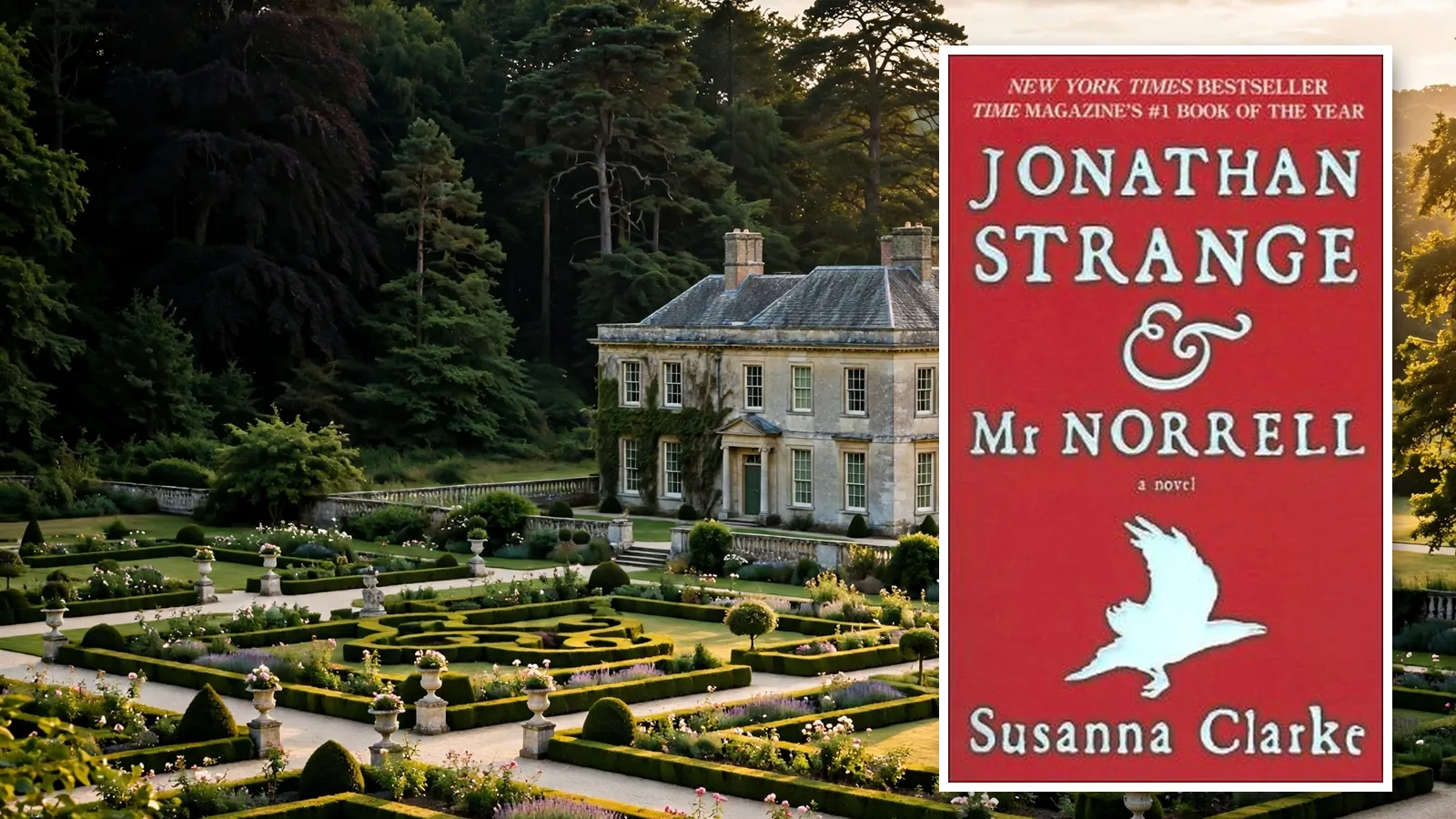
England, 1806. The Napoleonic Wars are raging, and most people believe English magic died out centuries ago. Then Mr Norrell, a fussy, bookish, deeply cautious scholar from Yorkshire, proves them wrong by doing real magic in public. Soon he is famous, advising the government, and trying very hard to keep magic respectable, orderly, and under his control.
Then Jonathan Strange arrives: young, brilliant, charming, and drawn to the wild, dangerous, beautiful side of magic that Norrell fears. The two become teacher and student, then partners in the war effort, then rivals, as Strange chases the old fairy magic of the Raven King and Norrell clings to his books and rules.
Susanna Clarke writes this enormous novel as if it were a history book from the period, complete with witty footnotes that tell their own strange stories. The effect is uncanny. You start to believe in this alternate England, with its talking statues, its fairy roads, and its gentlemen magicians arguing over spellcraft like scholars arguing over grammar.
This is the longest and most unusual book on this list, and the most rewarding if you love language and atmosphere. Give it fifty pages to settle into its rhythm. Once it clicks, you will not want to leave its drawing rooms, battlefields, and fairy haunted woods.
6. Uprooted by Naomi Novik
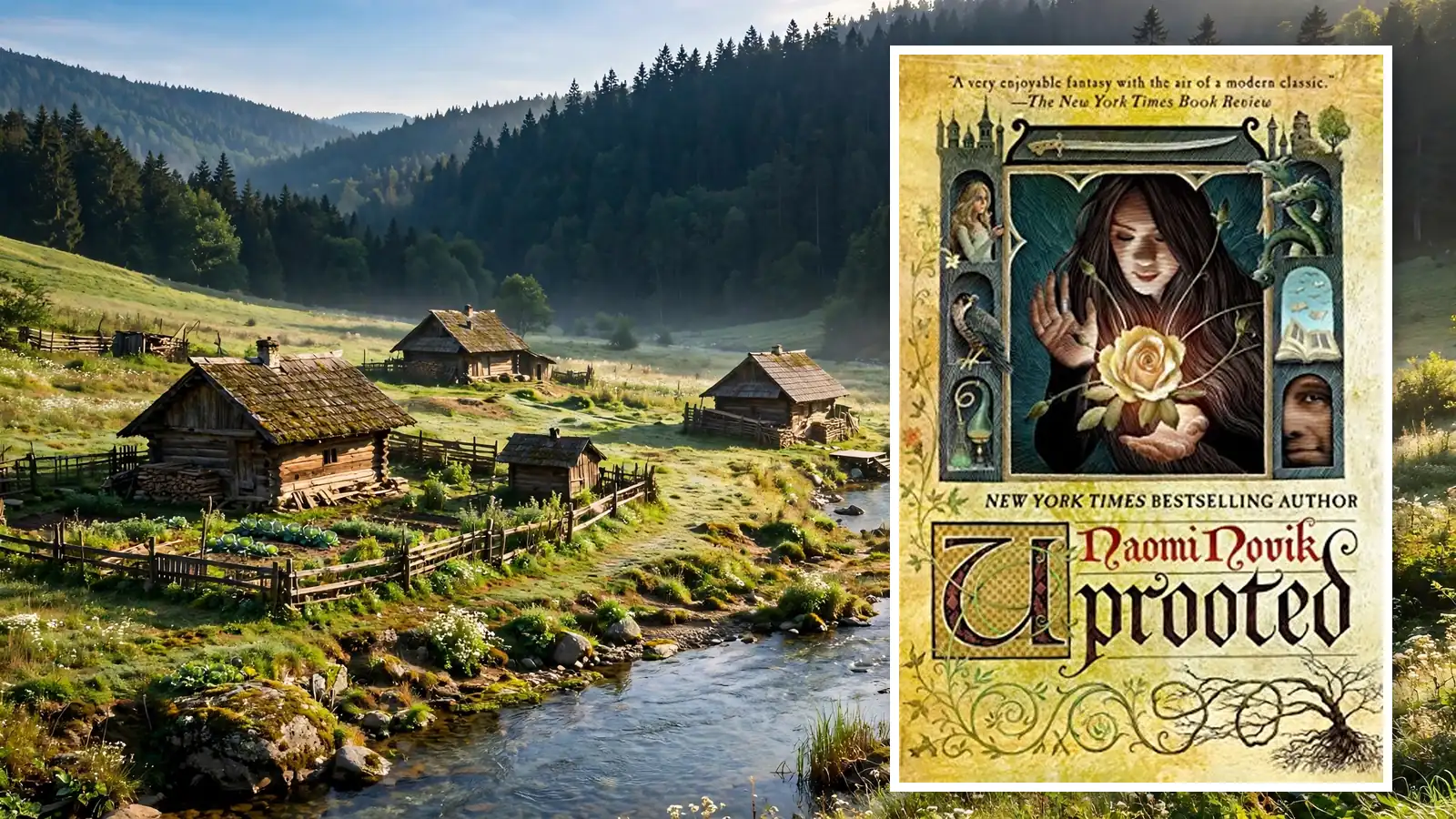
Agnieszka loves her valley home, her village, and her best friend Kasia. But a corrupted forest called the Wood stands at the valley’s edge, and it takes people. It twists them, changes them, and sometimes does not give them back. The valley’s only protection is the Dragon, a cold and powerful wizard who takes one village girl into his service every ten years.
Everyone expects him to take Kasia, who is beautiful, graceful, and brave. He takes Agnieszka instead, and that surprise is the start of everything. Agnieszka is messy, stubborn, and untidy in her magic, and the Dragon has no patience for any of it. Watching the two of them clash, learn, and slowly understand each other is one of the great pleasures of this book.
Naomi Novik draws on Polish folklore to build a world that feels both like a fairy tale and like a real place. The magic here is earthy and strange: songs, spells woven like cloth, and a forest that is not just a setting but a character, hungry and ancient and full of old grief.
This is the only standalone novel on the list, and it is the perfect choice if you want a complete journey in one book. It won the Nebula Award, and it earns that honor with a heroine who saves her home not by becoming someone else, but by trusting the wild, imperfect magic that was hers all along.
7. The Blade Itself by Joe Abercrombie
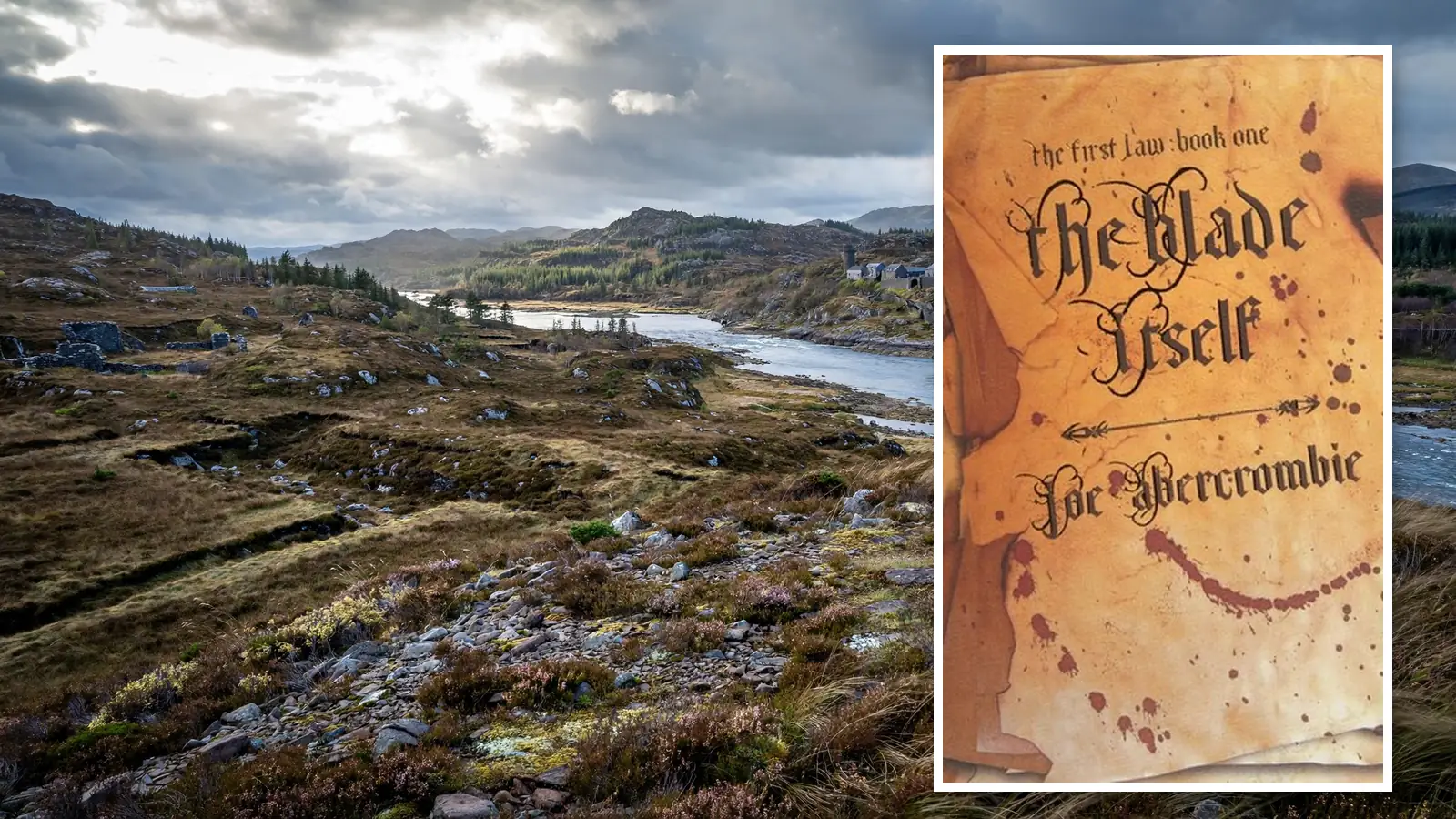
The Union is at war, or about to be, on two fronts at once, and its heroes are not the shining knights of old stories. Logen Ninefingers is a barbarian trying to outrun his bloody reputation. Jezal dan Luthar is a vain young nobleman who cares more about fencing contests than duty. Inquisitor Glokta is a crippled former soldier turned torturer, funny in the darkest possible way, and haunted by everything he has done and had done to him.
Joe Abercrombie throws these three together with a mysterious wizard named Bayaz, a wild young woman from the North, and a city full of schemers, and lets their ambitions collide. The plot moves like a gathering storm: a contest, a conspiracy, an army on the march, and old magic waking up in high places.
This is grimdark fantasy, which means it does not flinch from violence or moral mess. Heroes make bad choices. Villains have reasons. Jokes land in the middle of horror, and the most honest character in the room is often the torturer. If that sounds bleak, it is also bracing, because Abercrombie writes his flawed people with such sharp, humane wit that you keep turning pages to see what they will do next.
Read it if you are ready for fantasy that laughs at its own genre while loving it fiercely. It is the first book of a trilogy, and it works as a promise: the world gets bigger, the stakes get higher, and these characters will not leave you alone.
The List at a Glance
Seven books, six series starters and one complete standalone, spanning 1996 to 2015.
- Oldest book: A Game of Thrones, 1996
- Newest book: Uprooted, 2015
- Standalone pick: Uprooted, complete in one volume
- Best first pick for new fantasy readers: Mistborn: The Final Empire
- Best pick for beautiful prose: The Name of the Wind
There is a reason readers return to these worlds again and again. They were built with care, down to the slang, the food, the weather, and the old wars everyone still remembers. A world like that does not end at the last page. It waits for you, the way a favorite town waits for a visit.
If you read one, read it with someone, or at least find someone to talk to after. These are books that spark arguments worth having: about Kvothe’s choices, about whether Ned Stark was noble or naive, about who the real villain of Camorr is, about what the Wood really wants.
Pick your world, open the first chapter, and go. Somewhere out there, a university bell is ringing, ash is falling on a city of spires, and a forest is stirring at the edge of a valley. The door is open, and the story is waiting for you to step through it.

John Smith is the founder and CEO of Karaoke Machines Guru. He is a karaoke tutor and karaoke enthusiast and has been passionate about karaoke since he was a child. He also writes about karaoke-related tips, guides, and product reviews on this website.
He overlooks the whole website and makes sure that everything is running smoothly. Learn more!