
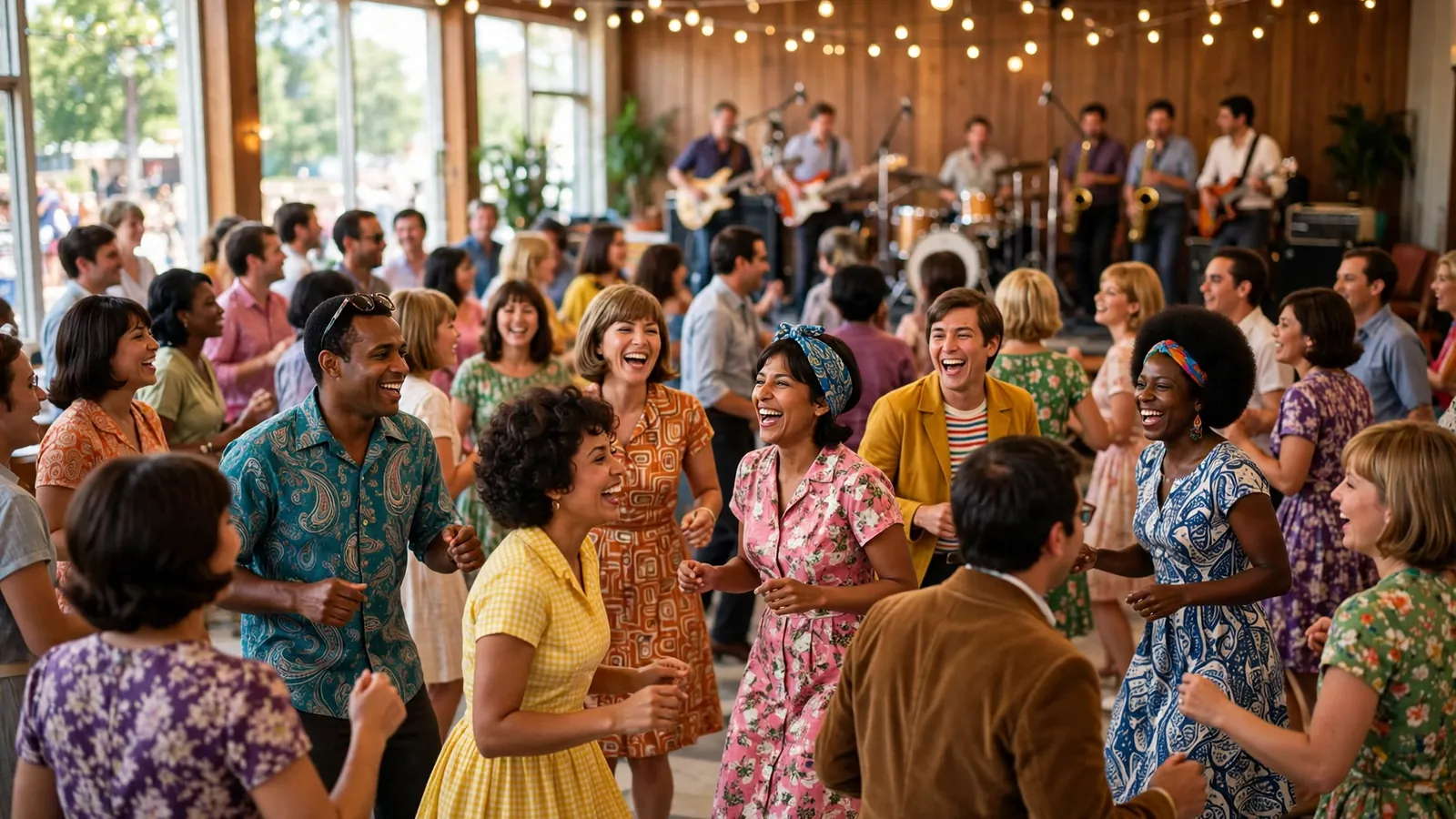
Some songs fade when the decade ends. These ten did not. More than fifty years after they first reached the radio, they still clear chairs, fill floors, and turn strangers into a dancing crowd within the first few notes.
The 1960s were a loud, restless decade for pop music. British bands crashed into American charts, Motown built a sound that felt made for movement, and soul singers turned personal feeling into public joy. The result was a set of songs that work in almost any room, at a wedding, a birthday party, a school reunion, or a backyard cookout.
This list keeps the test simple. Each song had to come from the 1960s, and each one still has to move a real crowd today. If a song only works as background music, it did not make the cut. Every pick below earns its place the moment people hear it and start to move.
At a glance: why the 1960s still rule the dance floor
- Short and punchy: Most of these songs run under four minutes, so the energy never sags.
- Big, simple hooks: A riff, a handclap, or a chorus you can learn in one listen.
- Built for groups: Call and response, singalong choruses, and beats that invite everyone in.
- Cross generation appeal: Grandparents, parents, and kids often know the same chorus.
1. Twist and Shout by The Beatles
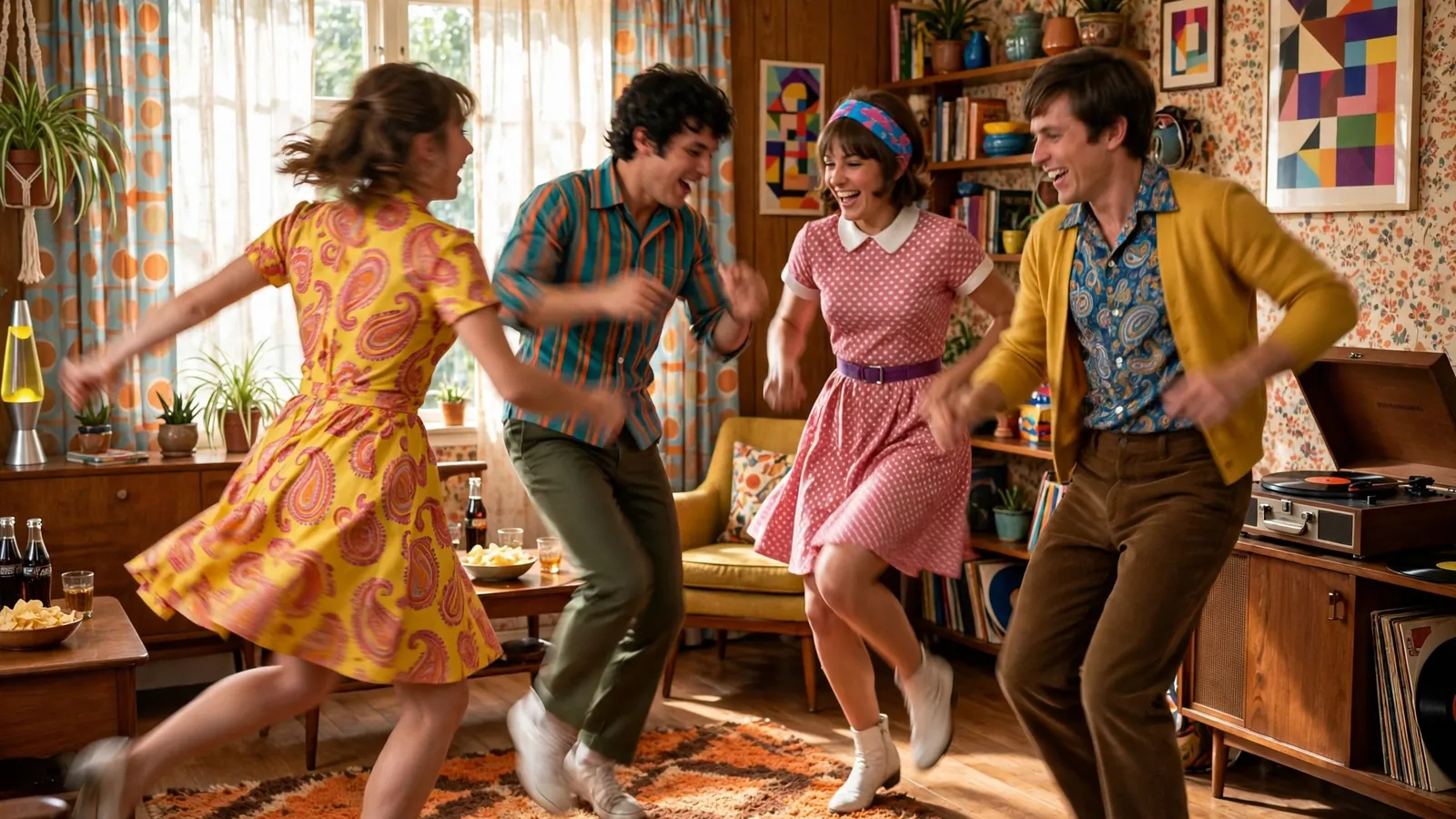
Put this song on and the room changes in seconds. The opening shout feels like a starting gun, and the beat does the rest. Nobody needs lessons for this one. Twist, shake, laugh, and repeat. That is the whole plan, and it works every time.
The Beatles recorded their version in 1963 for their first UK album, and it became one of their great early party records. The vocal sounds raw and joyful, almost out of breath, which is exactly why it still feels live. Play it early in the night to wake the floor up, or late when everyone needs one more burst of energy.
For a DJ, the trick is timing. Drop it just as guests finish their drinks and start looking for a reason to stand up. The song does the inviting for you, and the twist itself is forgiving. Nobody looks silly doing it badly, which is the point. Bad dancing done with joy beats perfect dancing done with worry, every single time.
At a glance
Artist: The Beatles
Year: 1963
Best for: Opening the dance floor and getting shy guests moving
Crowd moment: The first shout, when the whole room turns toward the speakers
Dance or singalong tip: Keep the twist small and loose, knees soft, shoulders relaxed, and let the beat do the work
2. Dancing in the Street by Martha and the Vandellas
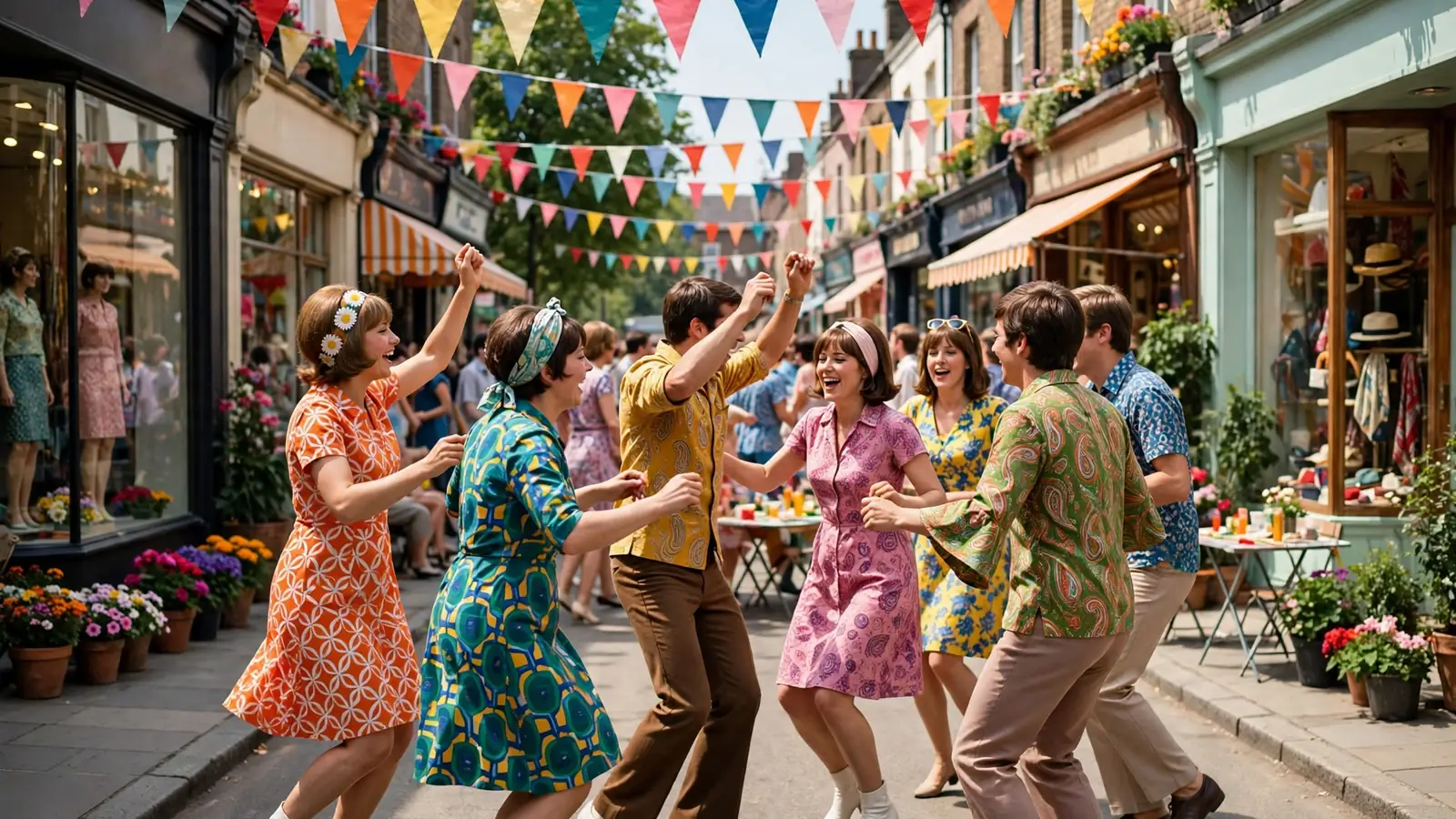
This is an invitation set to music. From the first horn blast, the song calls out city after city and tells everyone to join in. It never feels like a performance for a few good dancers. It feels like a street party that just happens to have a soundtrack.
Released in 1964, the Martha and the Vandellas hit pairs a driving Motown beat with a vocal full of warmth and command. The tambourine keeps pushing the rhythm forward, and the chorus is so open that a crowd can sing it without thinking. It is perfect for outdoor parties, summer nights, and any moment when the dancing needs to spill out beyond the floor.
What makes this record special is its sense of place. It names real cities, yet it belongs to any town where people gather outside. That is why it works at block parties and festivals as well as it works indoors. The beat is steady enough for older dancers and lively enough for kids, so three generations can share one floor without anyone feeling left out.
At a glance
Artist: Martha and the Vandellas
Year: 1964
Best for: Outdoor parties, summer nights, and big mixed age crowds
Crowd moment: The chorus, when everyone starts naming their own town in their heads
Dance or singalong tip: Form a loose line or circle so new dancers can join without feeling watched
3. My Girl by The Temptations
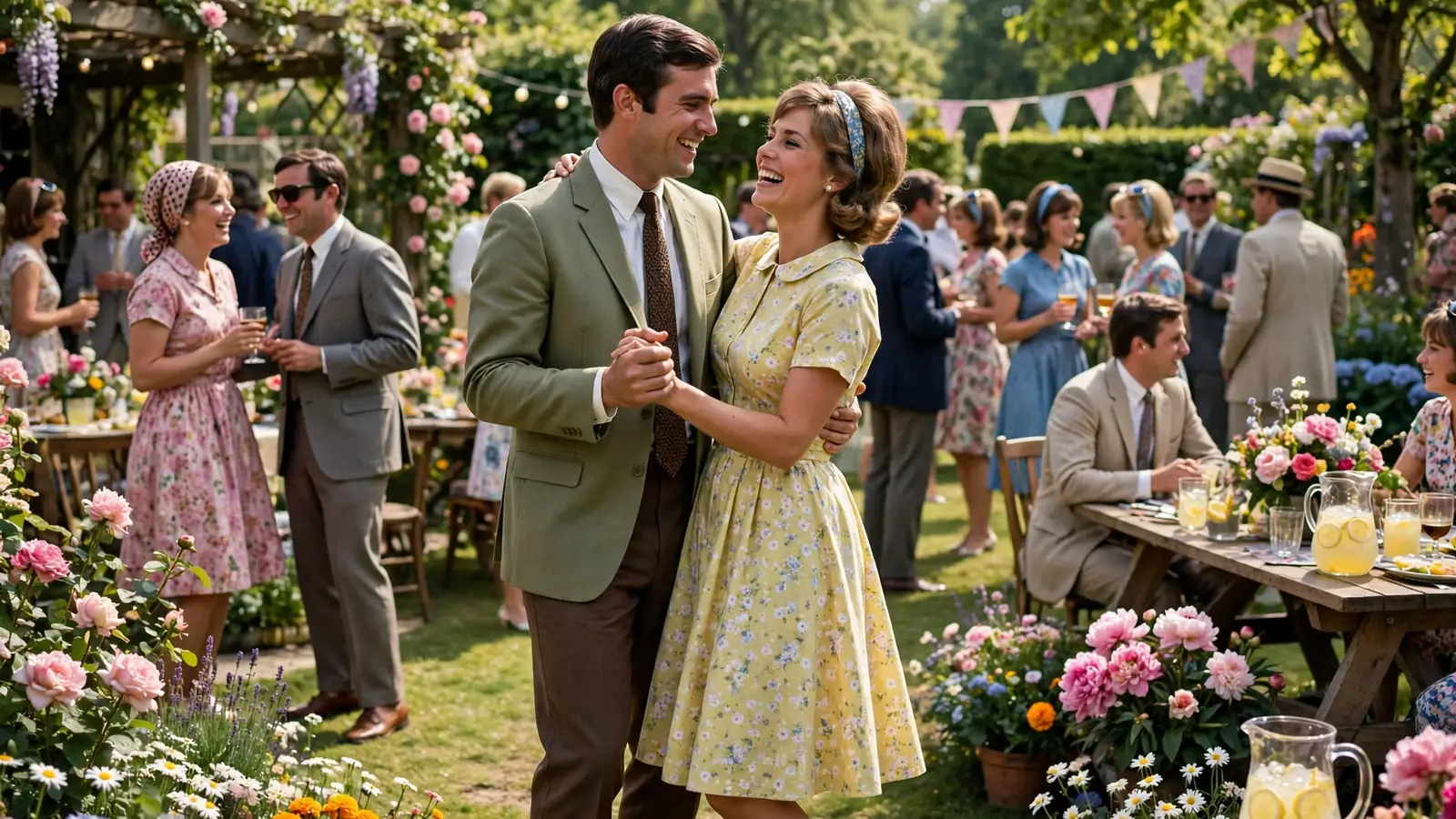
Some dance songs push hard. This one glides. The opening bass line is gentle, the strings bloom slowly, and then the vocal arrives like sunshine after rain. Couples find each other, friends sway side by side, and even people who claim they do not dance start to move.
Released as a single in December 1964, My Girl gave The Temptations their first number one hit in the United States. It is a love song first, but it works as a dance song because the rhythm stays light and steady. Play it when the party needs a warm middle, between the fast openers and the wild finishers.
DJs often use this song to reset a room. After a run of fast tracks, a gentle opener lets couples regroup and lets tired dancers stay on the floor instead of sitting down. The strings and the vocal harmony give it a glow that photographs well in memory, even if no camera is running. It is the sound of a party at its warmest.
At a glance
Artist: The Temptations
Year: 1964
Best for: Slow dancing, couples, and a warm mid party breather
Crowd moment: The first line of the chorus, sung softly by half the room
Dance or singalong tip: Keep steps small, stay on the beat, and let the song carry the romance
4. You Really Got Me by The Kinks
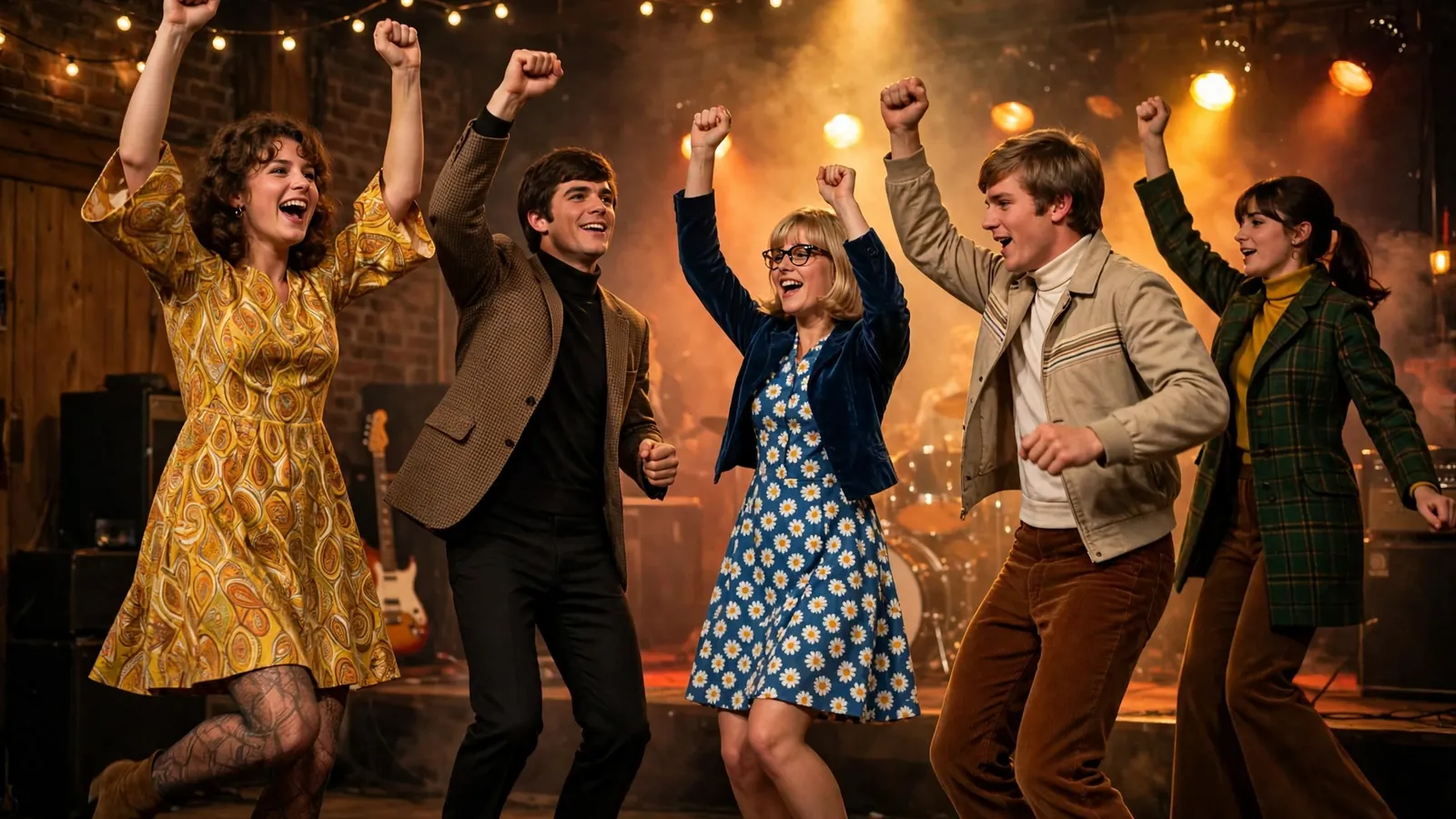
If Twist and Shout is pure joy, this one is pure swagger. The guitar riff hits like a door slamming open, and the whole song runs on that single, stubborn idea. It is short, loud, and impossible to ignore, which is why it still wakes up a tired dance floor.
Released in August 1964, You Really Got Me gave The Kinks their breakthrough hit and helped shape the sound of guitar rock that followed. The riff is so simple that air guitarists everywhere know it by heart. Save this one for the moment when the party needs grit, not sweetness, and watch the energy jump.
The beauty of this track is its brevity. At just over two minutes in its original single form, it hits hard and leaves before it can wear out its welcome. That makes it ideal as a jolt between longer songs. Pair it with another guitar record and the set suddenly feels like a live band just walked in, even when it is only a playlist.
At a glance
Artist: The Kinks
Year: 1964
Best for: Rock fans, late night energy, and air guitar contests
Crowd moment: The opening riff, when heads turn and feet start stomping
Dance or singalong tip: Stomp on the beat, pump a fist on each riff, and shout the title line together
5. (I Can’t Get No) Satisfaction by The Rolling Stones
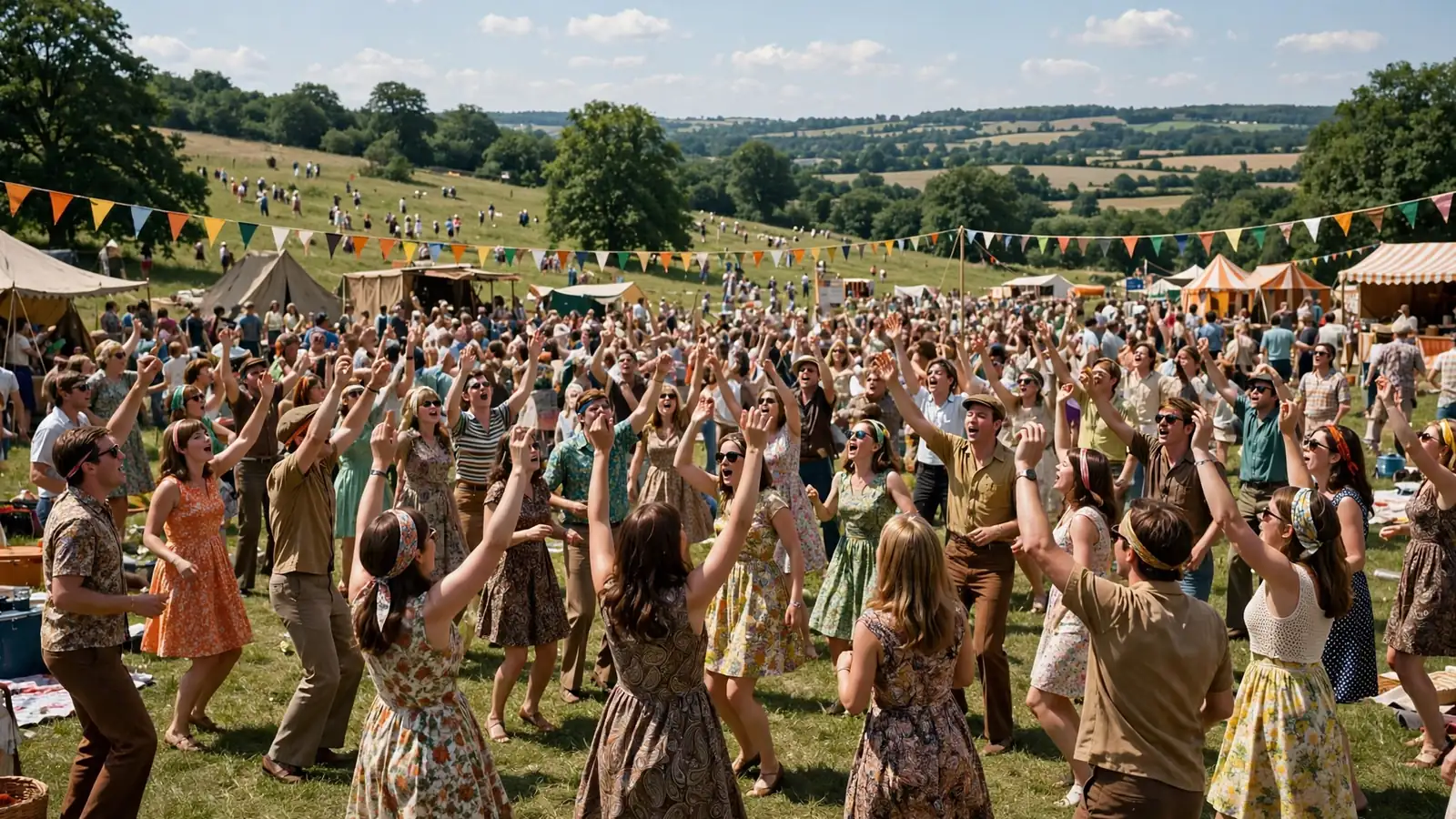
That fuzz guitar intro is one of the most recognized sounds in rock history. Three notes in, everyone knows what is coming, and the floor fills before the vocal even starts. It is a song about frustration, but on a dance floor it feels like release.
Released in 1965, Satisfaction became The Rolling Stones signature hit and a defining record of the decade. The beat is steady and strutting, perfect for dancers who like to move with attitude rather than fancy footwork. It works at almost any adult party, and it pairs well with other guitar driven songs in a set.
On a practical level, this is a safe pick for a mixed crowd. Rock fans love the riff, pop fans know the chorus, and even guests who dislike loud music tend to recognize it and nod along. The tempo sits in a comfortable middle zone, fast enough to dance to, slow enough to keep dancing to for the full song without running out of breath.
At a glance
Artist: The Rolling Stones
Year: 1965
Best for: Strutting, group dancing, and rock heavy playlists
Crowd moment: The fuzz riff intro, before a single word is sung
Dance or singalong tip: Walk the beat with confidence, shoulders back, and join in loudly on the title word
How to build a 1960s dance set that works
- Start fast: Open with Twist and Shout or Dancing in the Street to pull people in.
- Mix tempos: Follow a fast song with My Girl or Brown Eyed Girl so dancers can catch their breath.
- Save a singalong for last: Close with Hey Jude and let the whole room sing the ending together.
- Keep it short: Ten songs, no long gaps, and no song that clears the floor twice.
6. Good Vibrations by The Beach Boys
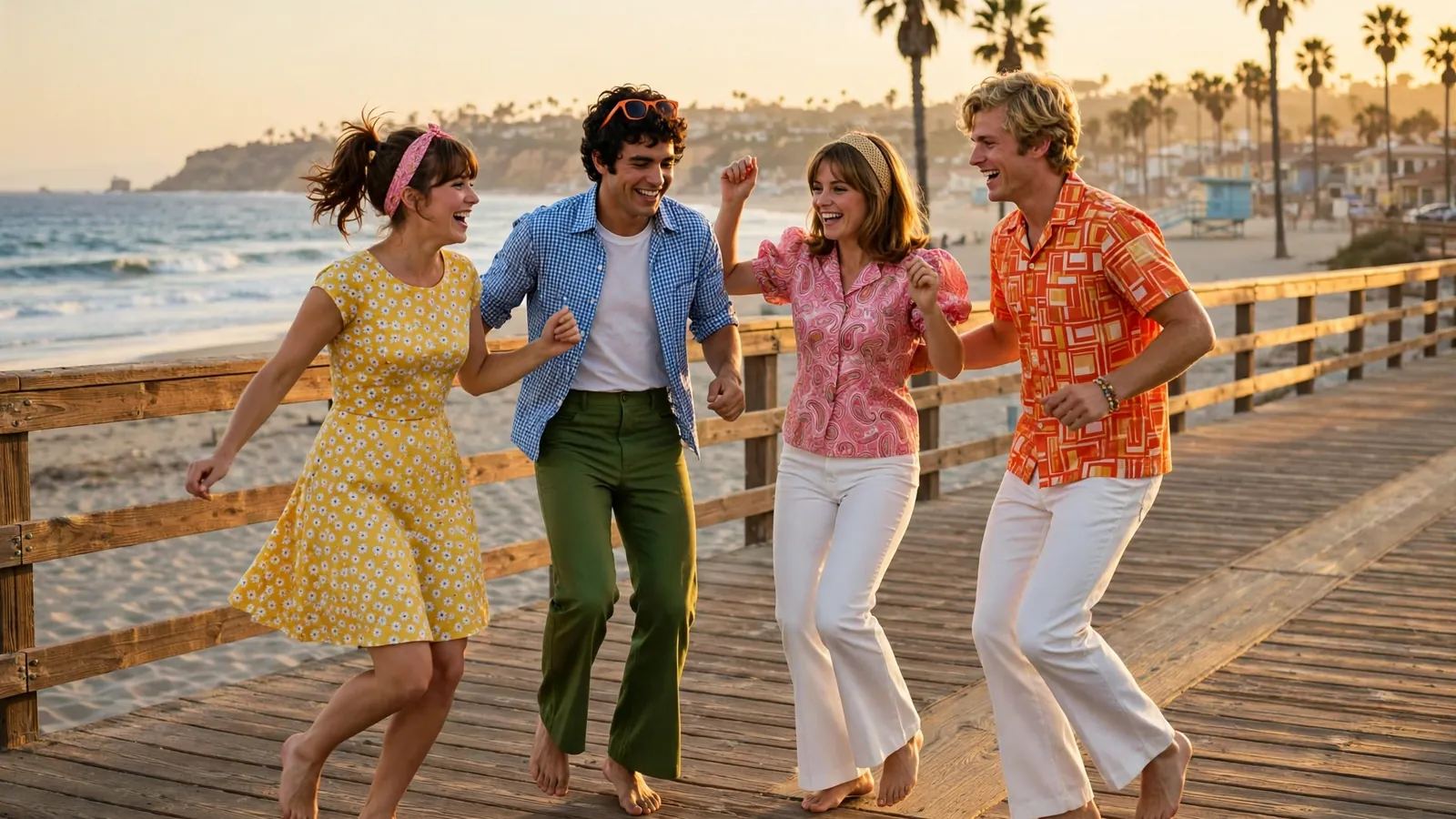
This song feels like summer even in winter. The harmonies float, the rhythm bounces, and the whole record shimmers in a way few pop songs ever manage. It is not a hard driving dance track. It is a happy one, and happy is often exactly what a party needs.
Released in October 1966, Good Vibrations was built piece by piece in the studio, with sections recorded in different sessions and joined into one flowing record. That care shows in the result. Dancers can sway, spin, or just bounce lightly, and the song still works. Play it at golden hour, at a beach themed party, or whenever the mood needs lifting.
Because the arrangement shifts and sparkles, this song rewards close listening as well as dancing. One moment it is soft and dreamy, the next it bounces forward again. That variety keeps dancers interested across the whole track. It also makes a fine bridge between oldies and newer summer pop, since its sunny mood matches almost any bright playlist.
At a glance
Artist: The Beach Boys
Year: 1966
Best for: Summer parties, beach themes, and feel good sets
Crowd moment: The harmony lift in the chorus, when smiles spread across the floor
Dance or singalong tip: Bounce lightly on the beat and hum the harmony line with a friend
7. Respect by Aretha Franklin
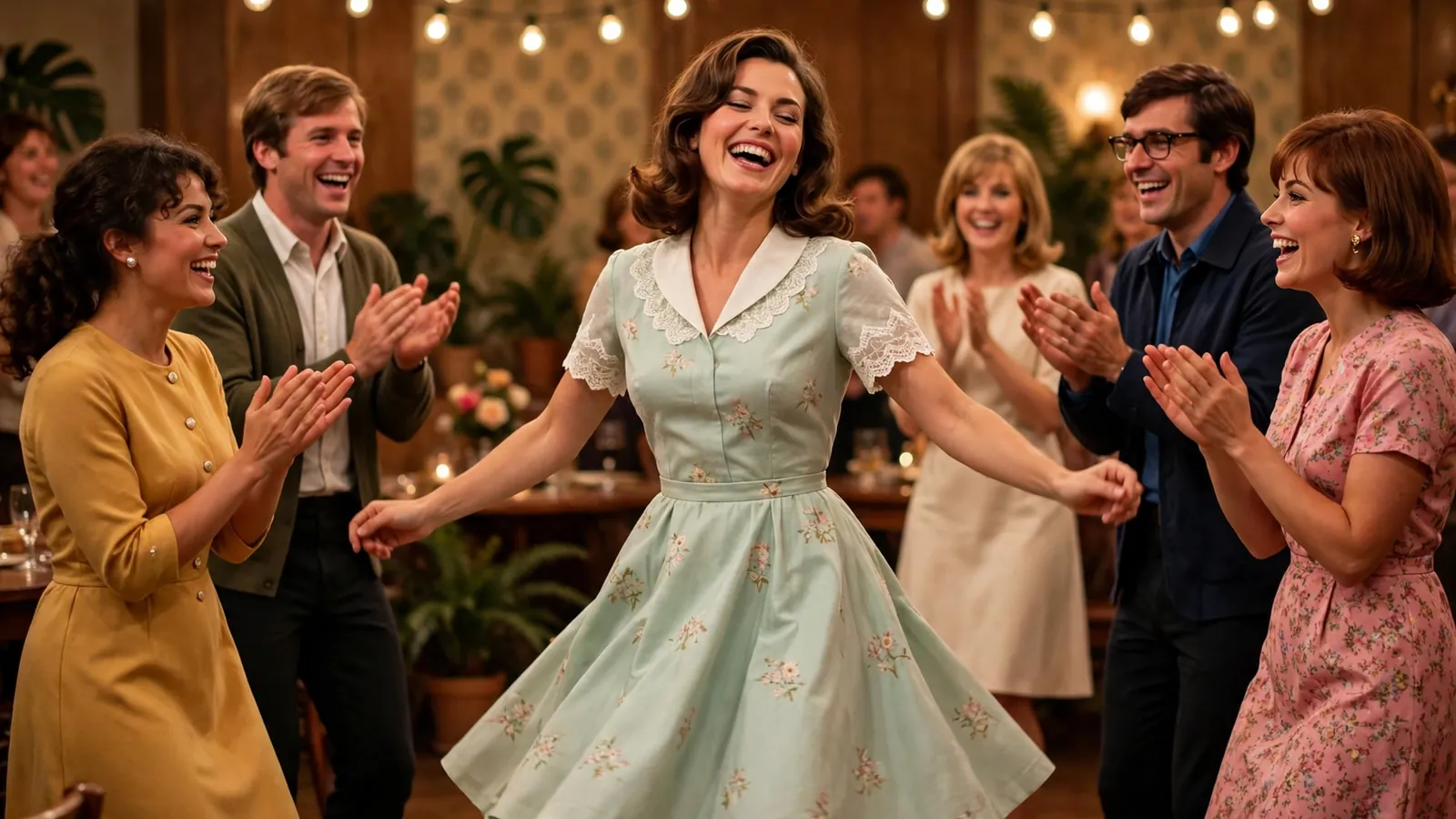
Some songs ask for attention. This one commands it. The opening piano and vocal spell out the title letter by letter, and by the time the chorus arrives the whole room is singing, clapping, and dancing with new confidence. It is a party song and an anthem at once.
Released in 1967, Aretha Franklin’s version turned an earlier soul song into a landmark record and her only solo number one pop hit in the United States. The beat is tight, the backing vocals snap, and the message lands for every generation. Give this song a clear moment in the set, not as background, and let the crowd own the chorus.
The power here comes from clarity. Every word lands, every beat is placed with intent, and the backing vocals answer the lead like a crowd already agreeing. That is why it works so well at celebrations for one person, such as birthdays or retirements. When the room sings the title together, it feels like a toast set to music.
At a glance
Artist: Aretha Franklin
Year: 1967
Best for: Crowd singalongs, celebrations, and confident group dancing
Crowd moment: Spelling out R E S P E C T together, loud and proud
Dance or singalong tip: Clap on the beat and spell the title with the crowd, one letter at a time
8. Brown Eyed Girl by Van Morrison
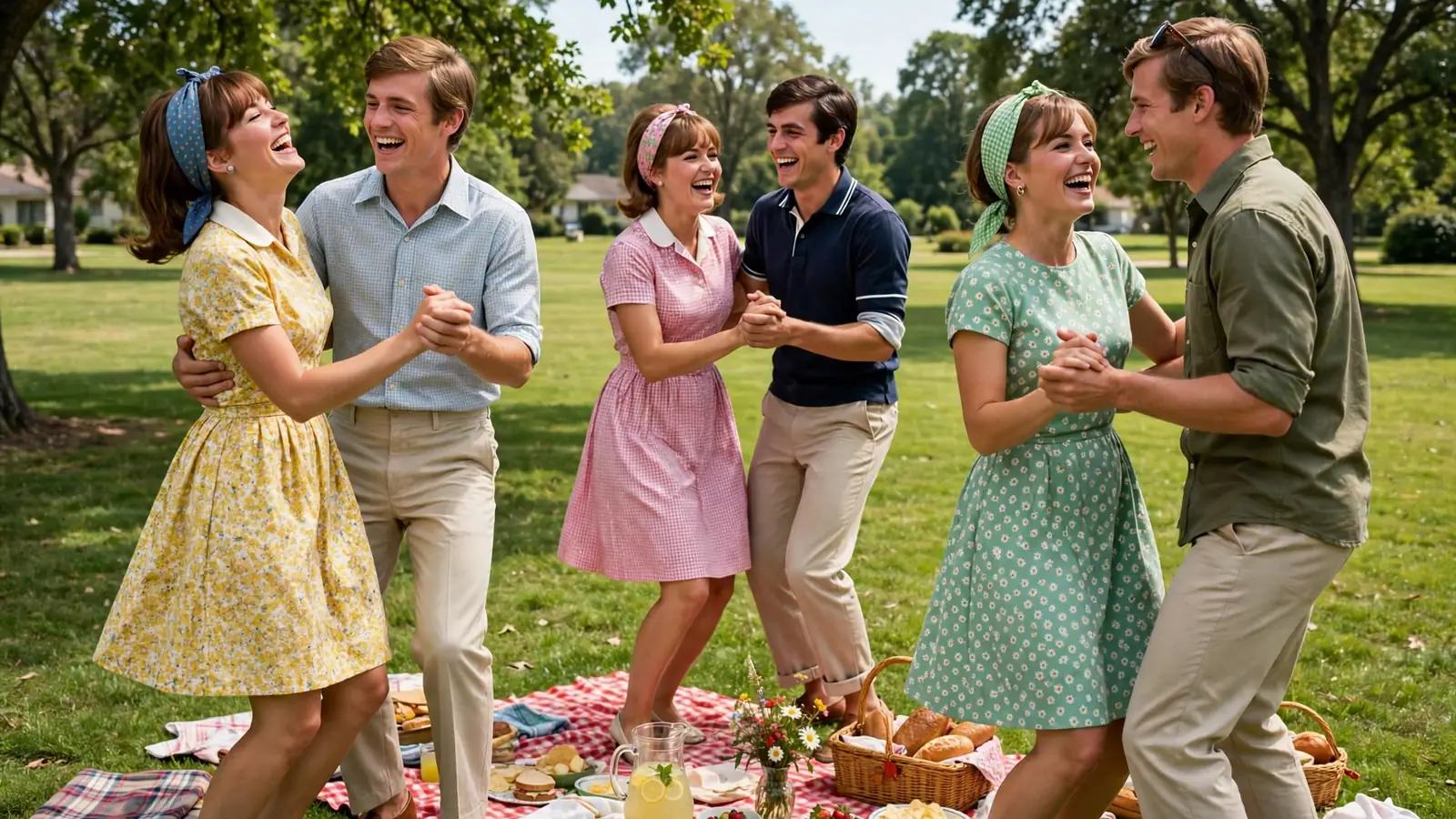
This is the song that makes a party feel easy. The guitar bounces along, the vocal sounds like a fond memory, and the chorus invites everyone to sing, even people who only know half the words. It is warm, unhurried, and endlessly replayable.
Released as a single in June 1967, Brown Eyed Girl became Van Morrison’s signature song and a radio staple for decades. It never topped the charts, yet it outlasted many songs that did, because it fits so many moments: cookouts, road trips, weddings, and lazy summer afternoons that turn into dancing. Keep it in the middle of a set when you want smiles, not spectacle.
Part of the charm is how little effort it demands. You can dance to it, sway to it, or simply tap a foot while talking with friends, and it still improves the room. That low pressure quality is rare in a dance list. It gives shy guests a way in, and it gives tired hosts a song they can enjoy without having to perform.
At a glance
Artist: Van Morrison
Year: 1967
Best for: Cookouts, weddings, and relaxed all age dancing
Crowd moment: The sha la la section, when the whole room joins in
Dance or singalong tip: Sway side to side and sing the sha la la part even if you forget the verses
9. Build Me Up Buttercup by The Foundations
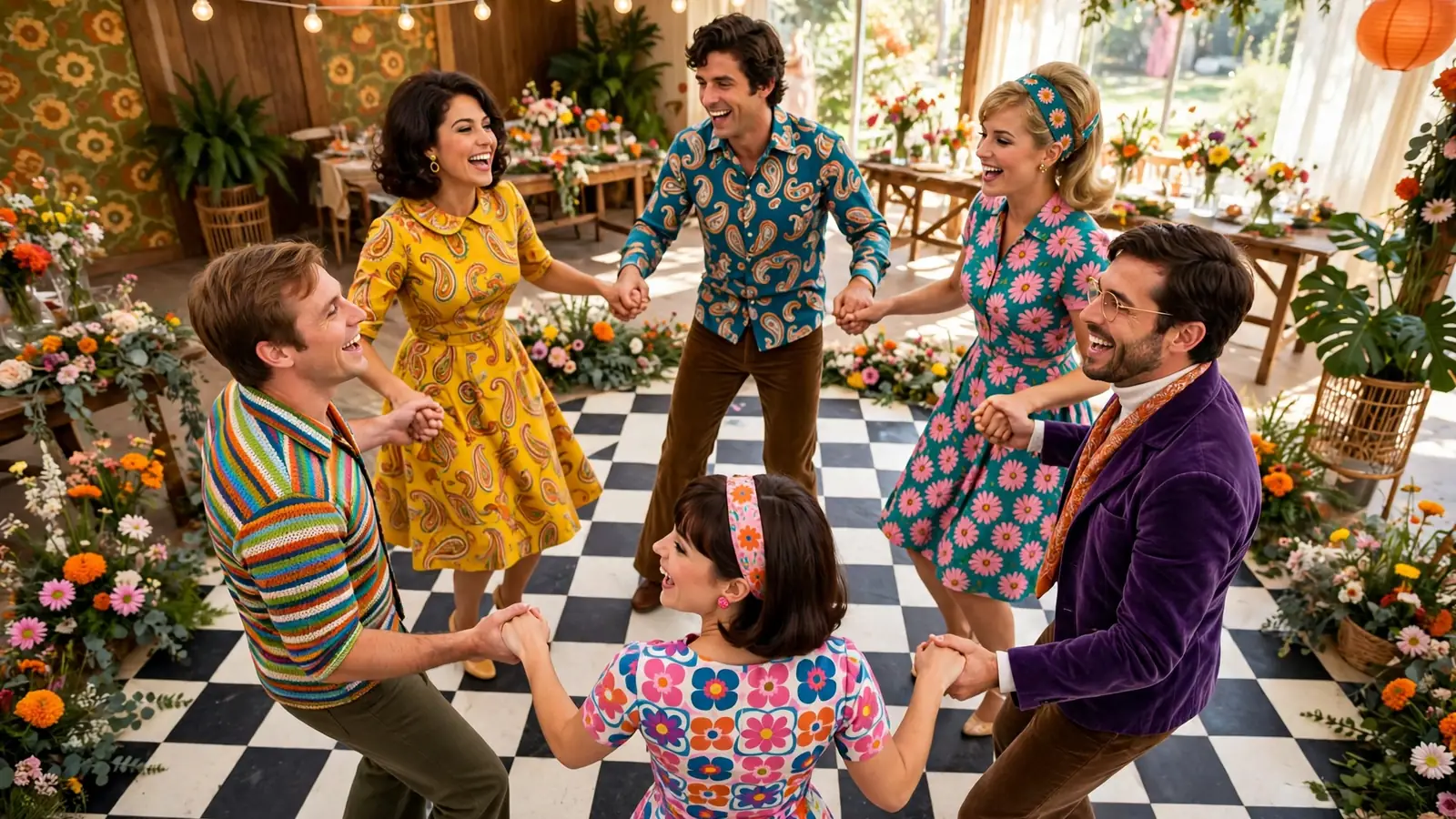
If a dance floor has a happiness button, this song presses it. The piano bounces, the horns lift, and the chorus arrives like a group hug. It is almost impossible to stand still through it, and even harder to stay in a bad mood.
Released in November 1968 in the UK, Build Me Up Buttercup became a huge hit for The Foundations and a wedding staple ever since. The call and response feel of the chorus makes it perfect for groups, and the tempo is brisk without being frantic. Play it when you want the whole room, including the reluctant dancers, to join in at last.
Wedding DJs return to this song for a simple reason: it never fails to gather a group. The chorus is a shared joke and a shared joy at once, and the tempo invites clapping, spinning, and conga style lines. If your party has guests who need one final nudge onto the floor, this is the nudge to use, played loud and without apology.
At a glance
Artist: The Foundations
Year: 1968
Best for: Weddings, group dances, and winning over reluctant dancers
Crowd moment: The chorus, sung back at full volume by the whole room
Dance or singalong tip: Dance in a circle with friends and bounce on every beat of the chorus
10. Hey Jude by The Beatles

Every great party needs a closer, and this is one of the best ever written. It starts gently, builds slowly, and then opens into a long singalong ending that can go on as long as the crowd wants it to. By the final minutes, nobody is watching the dancing. Everyone is part of it.
Released in August 1968, Hey Jude became one of The Beatles biggest hits and a standard for communal singing. The long na na na section is the secret: it needs no lyrics, no skill, and no lead singer. Save it for last, turn it up, and let the room finish the night together.
The long ending is a gift to any host. As the na na na section repeats, the formal part of the night dissolves and the party becomes one big group. Friends who arrived separately leave together, still humming. Few songs can do that, which is why this one has closed concerts, weddings, and school dances for more than five decades.
At a glance
Artist: The Beatles
Year: 1968
Best for: Closing the night and whole room singalongs
Crowd moment: The long na na na ending, arms around shoulders, voices rising together
Dance or singalong tip: Link arms with neighbors, sway together, and sing the ending as loud as you can
Your 1960s dance floor checklist
- Twist and Shout (1963) for a fast start
- Dancing in the Street (1964) for the street party feel
- My Girl (1964) for a slow, warm moment
- You Really Got Me (1964) for guitar energy
- Satisfaction (1965) for attitude and strut
- Good Vibrations (1966) for summer joy
- Respect (1967) for a proud singalong
- Brown Eyed Girl (1967) for easy smiles
- Build Me Up Buttercup (1968) for group happiness
- Hey Jude (1968) for the perfect closer
What ties these songs together is not just their age. It is their generosity. Each one leaves room for the listener, a chorus to join, a beat to follow, a moment to laugh with the person next to you. That is why DJs still reach for them, why wedding bands still learn them, and why kids who were not born for decades after release still know the words.
So the next time you plan a party, start with this list. You do not need a theme, a costume, or a dance lesson. Press play on any one of these ten, clear a little space, and let the 1960s do what they have always done best: fill the floor.
Keep this list saved for the next celebration you host. Whether the crowd is ten people in a living room or two hundred at a hall, these ten songs give you a full night of music with no filler and no awkward silences.

John Smith is the founder and CEO of Karaoke Machines Guru. He is a karaoke tutor and karaoke enthusiast and has been passionate about karaoke since he was a child. He also writes about karaoke-related tips, guides, and product reviews on this website.
He overlooks the whole website and makes sure that everything is running smoothly. Learn more!