

Some books get banned because they are careless. These eleven got banned because they hit a nerve. Each one names something its readers were not supposed to see: racism in a small town, abuse inside a family, cruelty in a war, or corruption dressed up as power. The people who tried to remove them were not confused about what the books say. They understood it perfectly, and they wanted it gone.
That is why this list is worth reading. A banned book is often a book that told the truth too plainly. The challenges came from school boards, parent groups, and librarians, and they came again and again, decade after decade. The books survived every one of them. They are still in print, still taught, and still argued about in classrooms across America.
This list gives you both sides of each fight. For every book you get the reason it was challenged, in plain words, and the reason readers still defend it. The fact box under each title gives you the author, the year, the rating readers give it today, and a link to buy it. Start at the top and work down, or jump straight to the book you already love.
One thing runs through the whole list. None of these books was banned for being boring. Each one was banned for being honest about something hard. Read them with that in mind, and you will see why the fights over them never really end.
All 11 Books and Why They Were Challenged
| Book | Year | Main reason challenged |
|---|---|---|
| To Kill a Mockingbird | 1960 | Racial slurs, racism |
| The Catcher in the Rye | 1951 | Profanity, sexual references |
| The Color Purple | 1982 | Sexual explicitness, homosexuality |
| Beloved | 1987 | Sexual explicitness, violence |
| Of Mice and Men | 1937 | Profanity, racial slurs |
| The Grapes of Wrath | 1939 | Vulgar language, politics |
| The Adventures of Huckleberry Finn | 1884 | Racial slurs, coarse language |
| The Bluest Eye | 1970 | Sexually explicit, offensive language |
| Slaughterhouse-Five | 1969 | Profanity, sexual content, religion |
| Lord of the Flies | 1954 | Profanity, violence |
| Animal Farm | 1945 | Political commentary |
Two words show up more than any others in the challenge records: language and sex. Politics runs a close third.
1. To Kill a Mockingbird
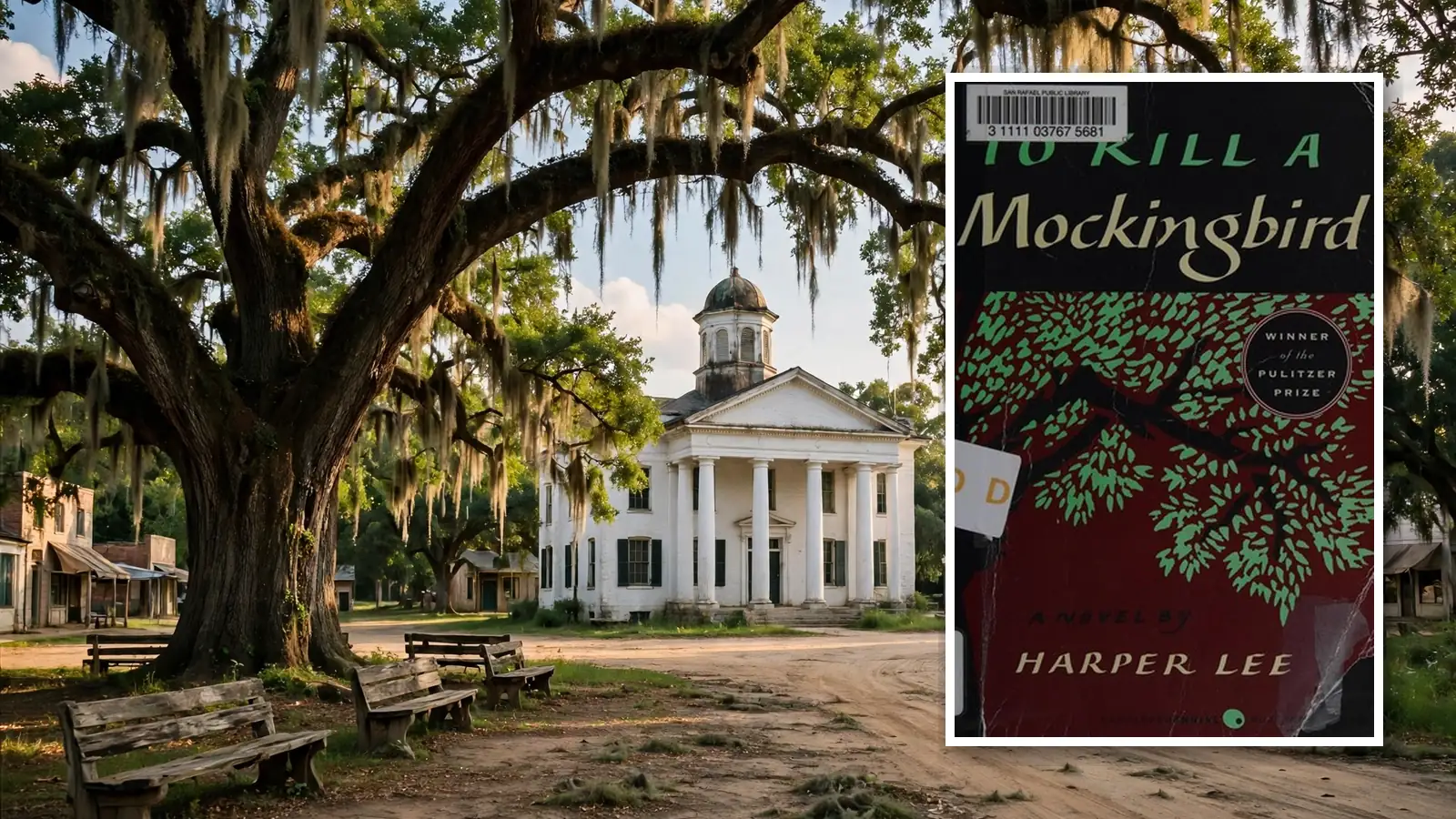
Young Scout Finch lives in Maycomb, Alabama, in the 1930s. Her father Atticus, a lawyer, agrees to defend Tom Robinson, a Black man falsely accused of raping a white woman. Harper Lee published the novel in 1960, and it won the Pulitzer Prize in 1961. It is told through a child’s eyes, which is part of its power. Scout does not fully understand the adult world around her, so the reader sees its cruelty plainly. The trial scenes still rank among the most famous in American fiction.
At a glance
Genre: Classic fiction, Southern Gothic
Author: Harper Lee
Year: 1960
Goodreads rating: 4.26/5
Why it was challenged: Racial slurs, racism, unsuited to age group
The challenges started early and never stopped. In 1966 the Hanover County school board in Virginia called the book immoral literature. In 2017 Biloxi, Mississippi, pulled it from eighth grade reading, and in 2020 Burbank, California, removed it from required reading, all over its racial slur. Readers defend it because the book is against racism, not for it. Tom Robinson is innocent, and the novel shows exactly how a rigged system destroys him. Read it for Atticus and Scout, but stay for Tom Robinson.
2. The Catcher in the Rye
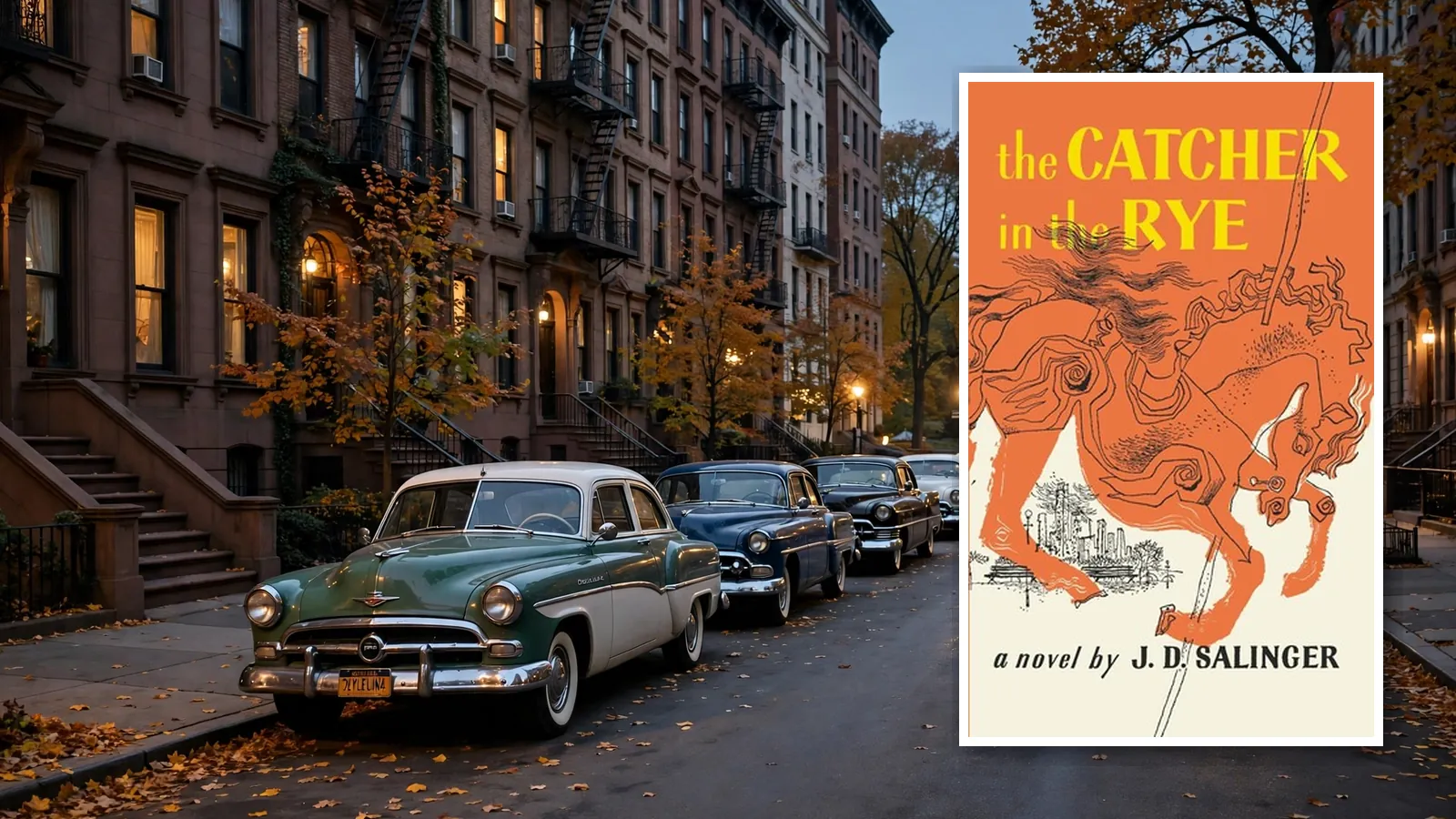
Holden Caulfield is sixteen, expelled from prep school, and wandering New York City for three days. He hates phonies, misses his dead brother, and cannot find a single adult he trusts. J.D. Salinger published the novel in 1951, and it became the most assigned and most challenged book in American schools at the same time. Holden’s voice is the whole book. It is funny, angry, and tired, often in the same sentence, and teenagers have recognized themselves in it for seventy years.
At a glance
Genre: Coming-of-age fiction
Author: J.D. Salinger
Year: 1951
Goodreads rating: 3.80/5
Why it was challenged: Profanity, sexual references, rebellion
The American Library Association calls it a favorite target of censors since publication. In 1960 a teacher in Tulsa, Oklahoma, was fired for assigning it. In 1963 parents in Columbus, Ohio, asked for a ban because the book was anti-white and obscene. Readers defend it because Holden is not a role model. He is a grieving kid in trouble, and the book never pretends otherwise. His swearing and his mistakes are the point, and students who would never finish a classic will finish this one.
3. The Color Purple
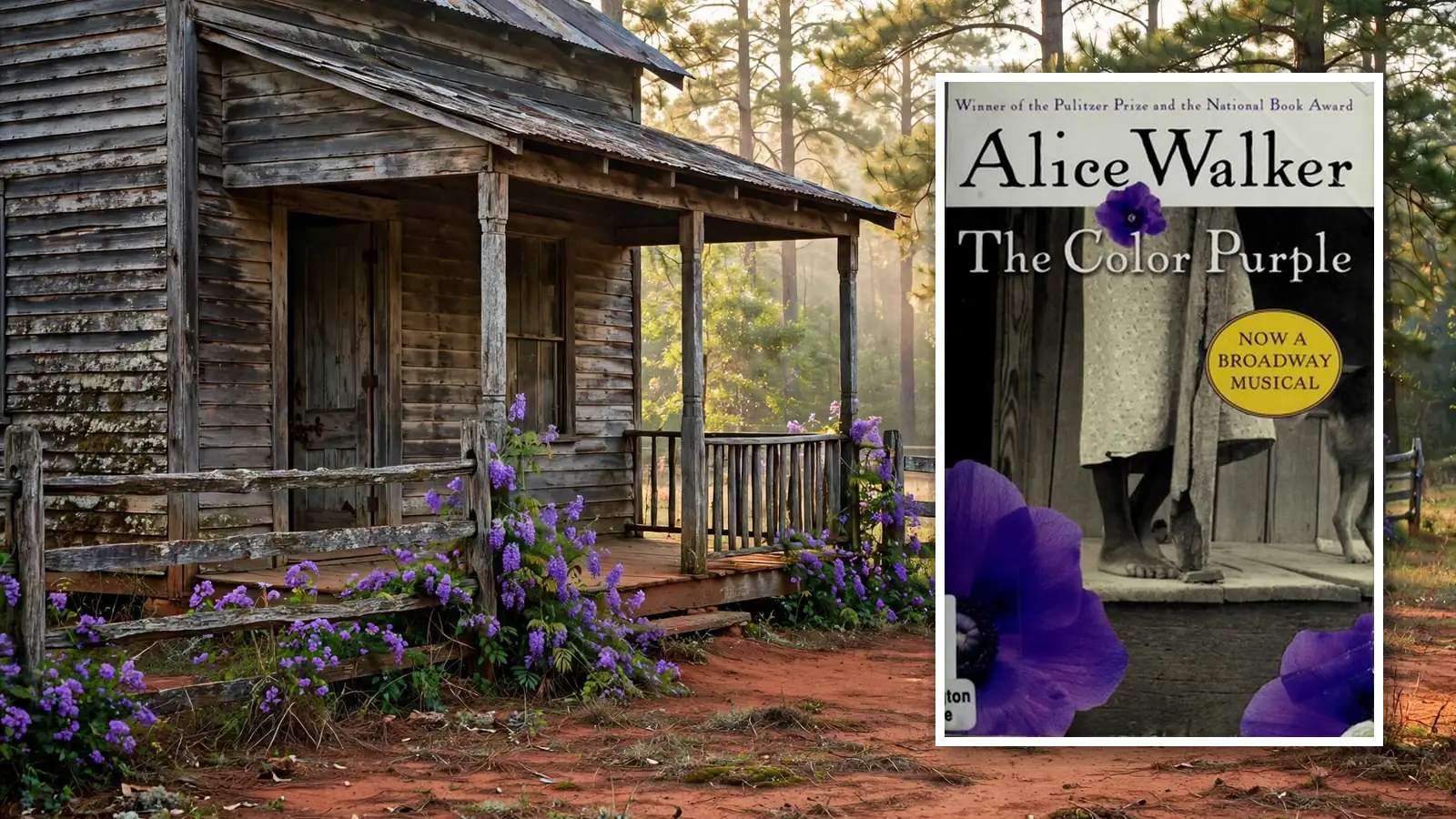
Celie is a poor Black girl in rural Georgia in the early 1900s. She is abused by the man she believes is her father, married off to a cruel husband, and separated from her sister Nettie. She tells her whole story in letters, first to God, then to Nettie. Alice Walker published the novel in 1982, and it won the Pulitzer Prize and the National Book Award in 1983. It is a story about survival, and about how women save each other when no one else will.
At a glance
Genre: Epistolary novel
Author: Alice Walker
Year: 1982
Goodreads rating: 4.28/5
Why it was challenged: Sexual explicitness, homosexuality, violence, language
The first challenge came fast. In 1984 a parent in Oakland, California, objected to its sexual and social explicitness. In 1992 it was banned in the Souderton, Pennsylvania, school district. The American Library Association ranks it 17th on the most challenged list for 2000 to 2009. Readers defend it because Celie’s story is about escape, not about the abuse itself. The hard scenes are there because the abuse is real, and hiding it would protect the abusers, not the readers.
4. Beloved
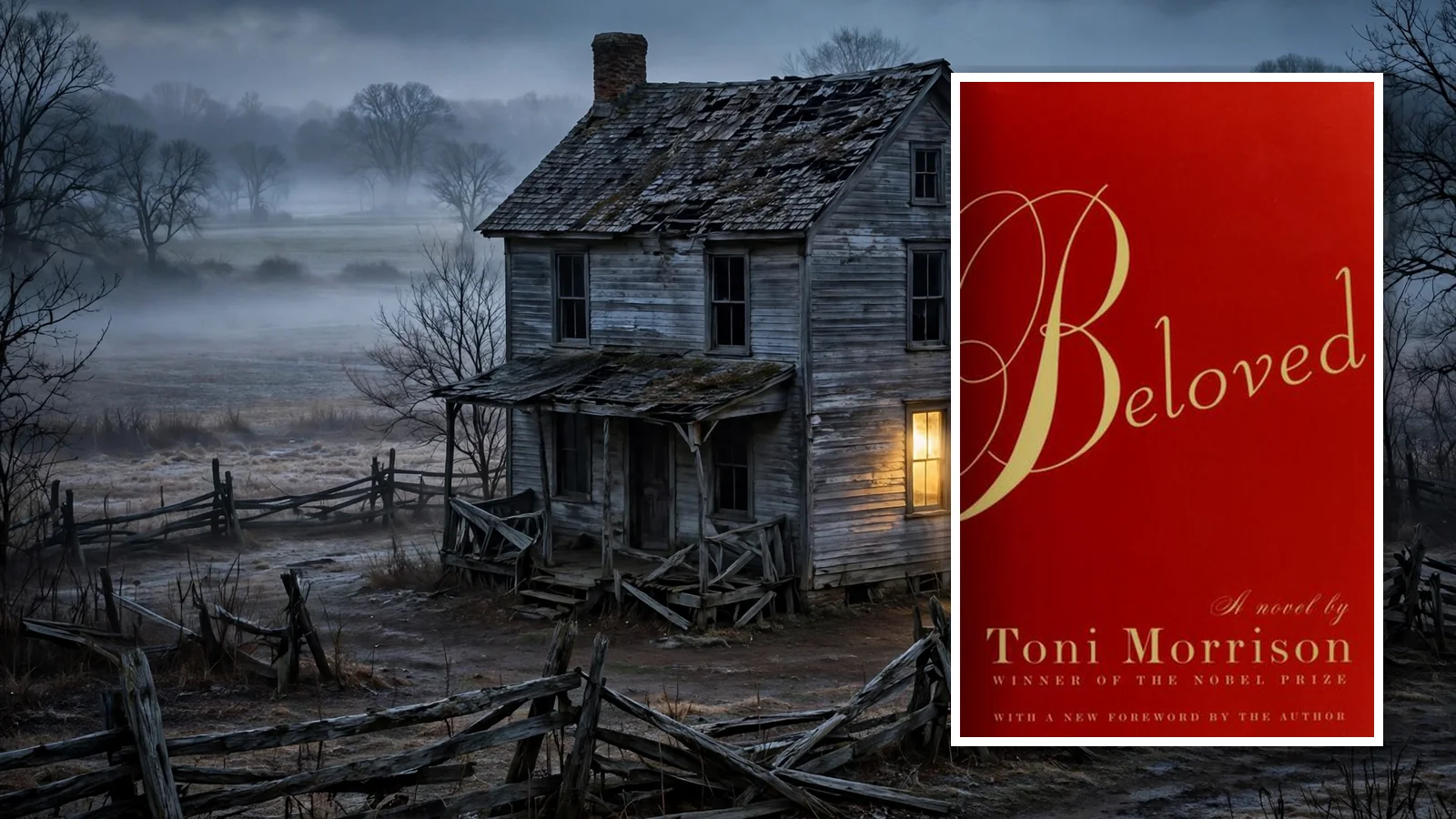
Sethe escaped slavery in Kentucky and made it to Ohio, but freedom did not free her. Her baby daughter died by her own hand, killed so slave catchers could not take her back. Now a strange young woman calling herself Beloved has moved into the house at 124 Bluestone Road. Toni Morrison published the novel in 1987, and it won the Pulitzer Prize in 1988. It is based on the true story of Margaret Garner, who killed her own child rather than return her to slavery in 1856.
At a glance
Genre: Historical fiction, magical realism
Author: Toni Morrison
Year: 1987
Goodreads rating: 3.98/5
Why it was challenged: Sexual explicitness, violence, religious viewpoint
Buy: Beloved on Amazon
The American Library Association lists the reasons as sexually explicit, religious viewpoint, and violence. In 2011 a parent in Plymouth Canton, Michigan, tried to remove it from the AP English curriculum. In 2022 the Wentzville school board in Missouri banned it along with The Bluest Eye. Readers defend it because the book is about what slavery does to memory. Sethe cannot forget, and the ghost in her house is the past itself, refusing to leave. The New York Times later named it the best American novel of the previous 25 years.
5. Of Mice and Men
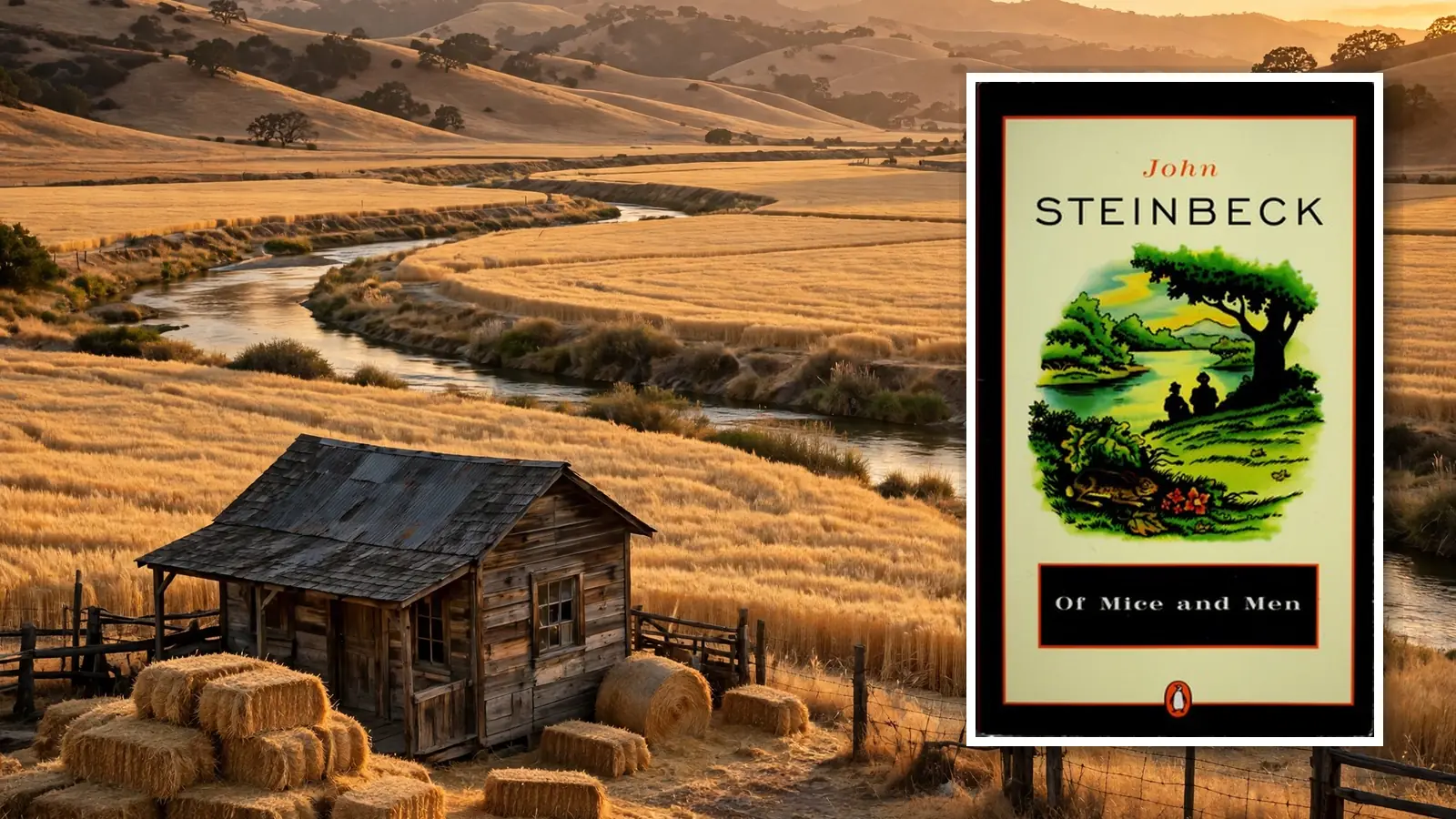
George Milton and Lennie Small are migrant ranch workers in Depression era California. George is sharp and small. Lennie is huge, gentle, and unable to understand his own strength. They share one dream: a little farm of their own, with rabbits for Lennie to tend. John Steinbeck published the novella in 1937. It is short enough to read in an afternoon, and sad enough to stay with you for years.
At a glance
Genre: Novella, classic fiction
Author: John Steinbeck
Year: 1937
Goodreads rating: 3.89/5
Why it was challenged: Profanity, racial slurs, taking God’s name in vain
It has been challenged more than fifty times since publication, mostly for profanity and offensive language. In 1983 the Knoxville school board chairman vowed to remove all filthy books from local schools, starting with this one. In 1992 a California high school banned it solely for its use of a racial slur. Readers defend it because Steinbeck wrote the way ranch workers actually talked. The profanity is the sound of lonely men with no future, and cleaning it up would lie about their lives.
A Timeline of Famous Bans
1885: The Concord Public Library in Massachusetts bans Huckleberry Finn as trash suitable only for the slums.
1939: Kern County, California, bans The Grapes of Wrath from its own schools and libraries, and East St. Louis burns copies in public.
1973: Residents of Drake, North Dakota, burn Slaughterhouse-Five.
1982: The Supreme Court rules in Island Trees v. Pico that school boards may not remove books simply because they dislike the ideas in them.
2017: Biloxi, Mississippi, pulls To Kill a Mockingbird from eighth grade reading because the language makes people uncomfortable.
2024: Utah orders The Bluest Eye removed from all public school libraries statewide under a new state law.
The pattern never changes. A book is challenged, a board votes, readers push back, and the book outlives the ban.
6. The Grapes of Wrath
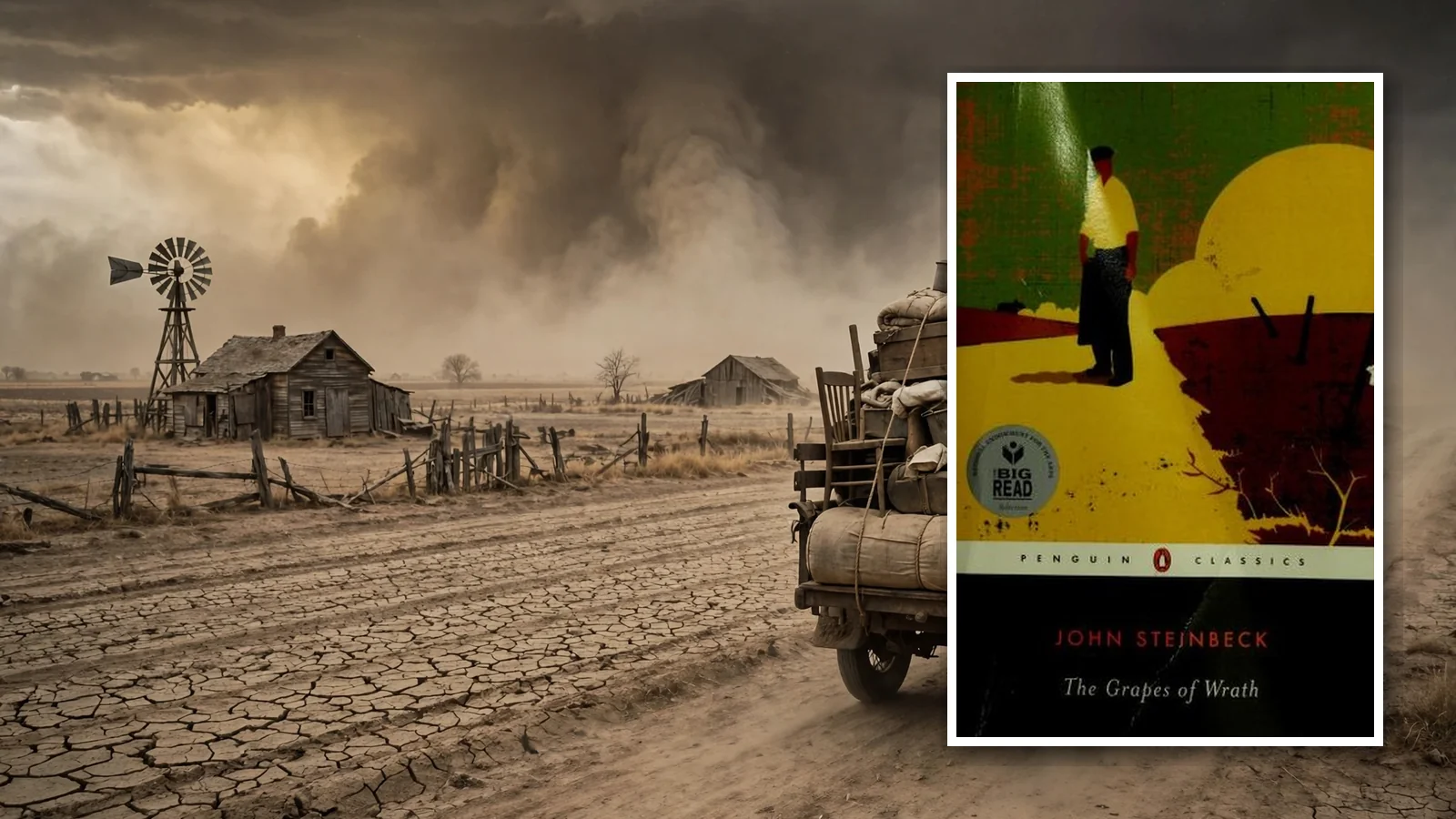
The Joad family loses its Oklahoma farm to dust and banks, then drives west to California in a broken truck, chasing work that does not exist. John Steinbeck published the novel in 1939, and it won the Pulitzer Prize in 1940. It is long, angry, and deeply human. The Joads are not heroes. They are ordinary people being crushed by a system that treats them as disposable, and Steinbeck makes you feel every mile of their journey.
At a glance
Genre: Historical fiction, Dust Bowl epic
Author: John Steinbeck
Year: 1939
Goodreads rating: 3.99/5
Why it was challenged: Vulgar language, sexual references, political content
The ban came from the very county the book describes. In August 1939 the Kern County Board of Supervisors banned it from schools and libraries, calling it filled with profanity and obscene language. The same year the East St. Louis public library burned copies, and Kansas City ordered it removed. Readers defend it because the book changed America. It showed middle class readers what migrant camps actually looked like, and it helped push for better conditions.
7. The Adventures of Huckleberry Finn
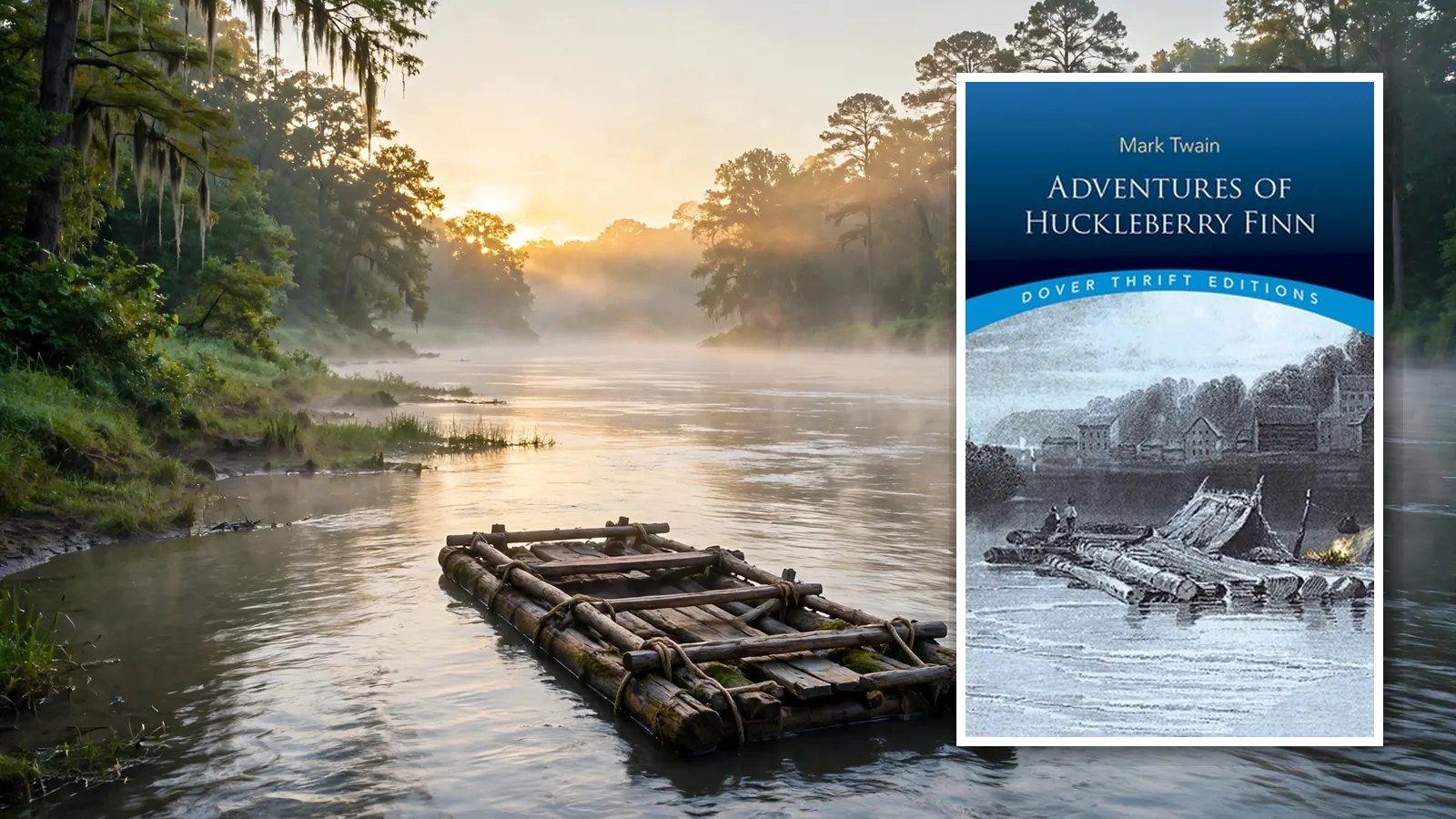
Huck Finn runs away from his abusive father and floats down the Mississippi River on a raft with Jim, an enslaved man running toward freedom. Mark Twain published the book in England in December 1884, and it reached American readers in February 1885. It is often called the great American novel. It is also the most banned book in American history, and the fight over it has lasted longer than any other on this list.
At a glance
Genre: Adventure, classic fiction
Author: Mark Twain
Year: 1884
Goodreads rating: 3.83/5
Why it was challenged: Racial slurs, coarse language, racism
The first ban came within weeks. In 1885 the Concord Public Library in Massachusetts removed it, calling it trash suitable only for the slums. The objection now is the opposite: the book uses a racial slur more than two hundred times, and many readers say hearing it read aloud in a mixed classroom causes real harm. Readers defend it because Twain was attacking slavery, not defending it. Huck slowly decides that helping Jim escape is right, even though everything he was taught says it is a sin.
8. The Bluest Eye
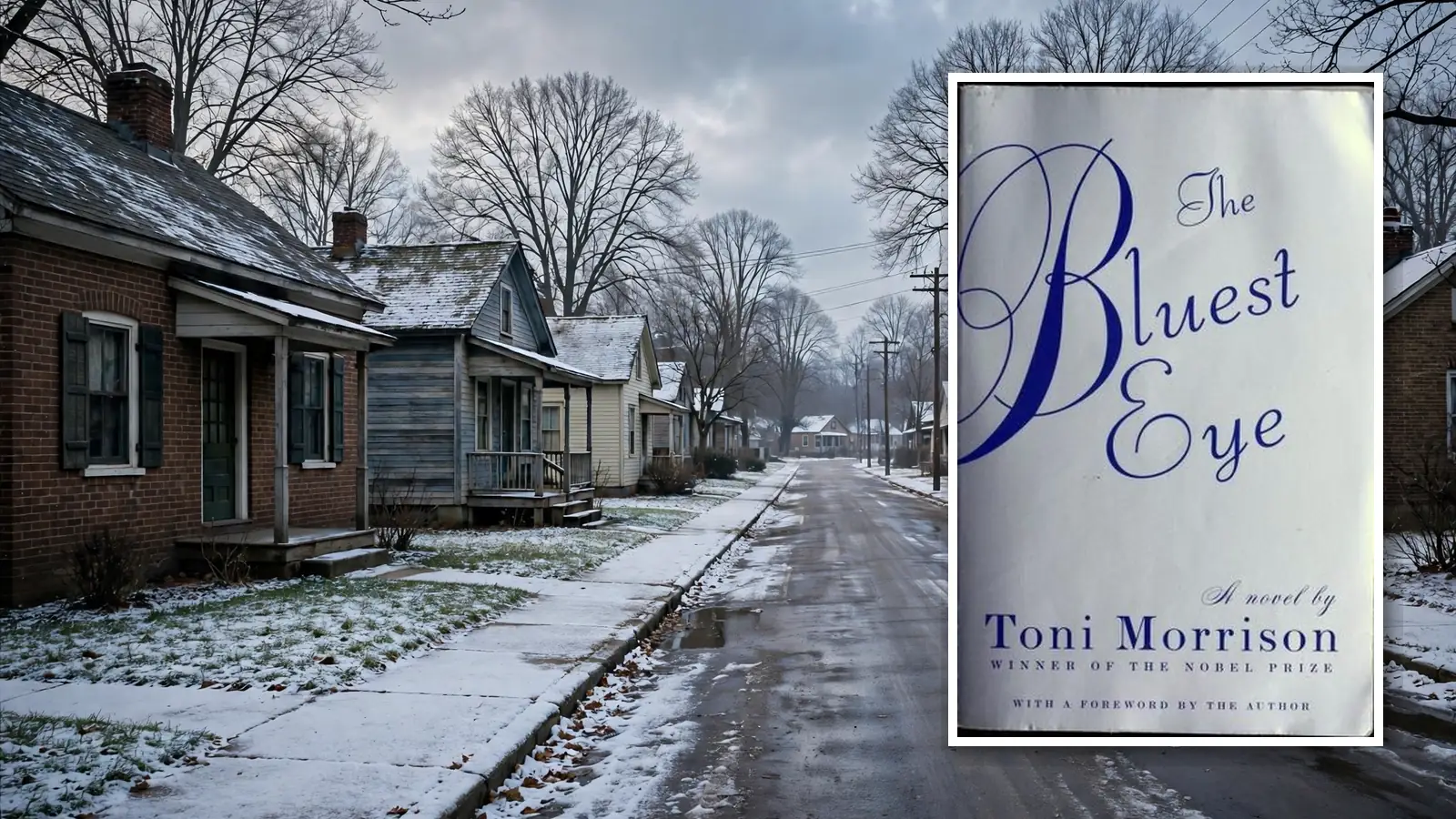
Pecola Breedlove is eleven years old, poor, Black, and living in Lorain, Ohio, in 1941. She believes that if she had blue eyes, her life would be beautiful and people would love her. Toni Morrison published the novel in 1970. It was her first book, and it is the shortest and most painful on this list. It shows how a society’s idea of beauty can break a child from the inside.
At a glance
Genre: Literary fiction
Author: Toni Morrison
Year: 1970
Goodreads rating: 4.14/5
Why it was challenged: Sexually explicit, offensive language, unsuited to age group
The American Library Association lists the reasons as offensive language, sexually explicit, unsuited to age group, and violence. It made the ALA top ten most challenged list in 2006, 2013, 2014, and 2020. In 2022 the Wentzville school board in Missouri banned it, and in 2024 Utah ordered it removed from all public school libraries statewide. Readers defend it because the difficult scenes are the story. Pecola is abused by her father, and Morrison does not soften it, because softening it would lie about what happened to her.
9. Slaughterhouse-Five
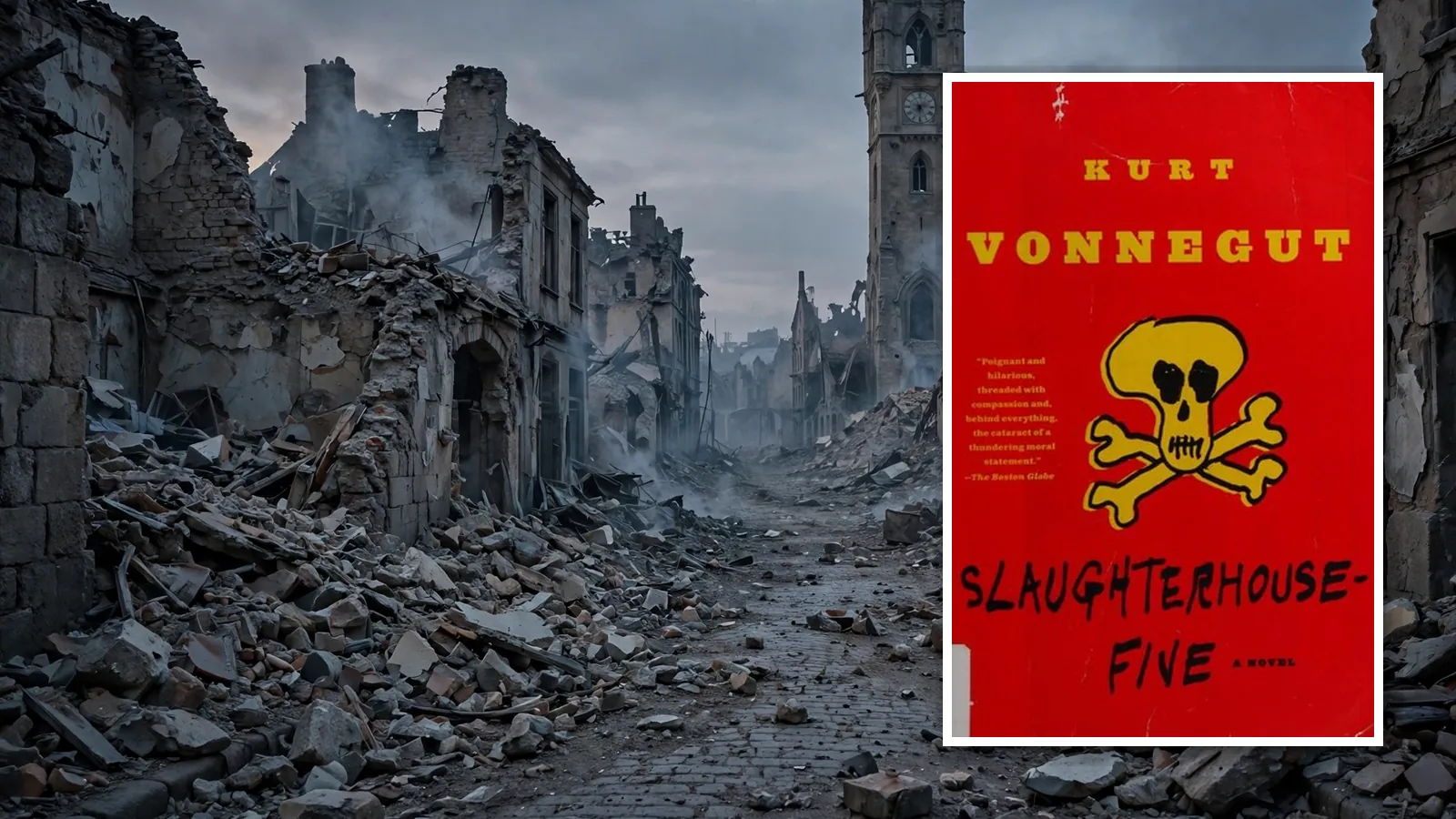
Billy Pilgrim is a chaplain’s assistant in World War Two who survives the firebombing of Dresden, then becomes unstuck in time. He visits the past, the future, and a distant planet called Tralfamadore, where aliens teach him that all moments exist at once. Kurt Vonnegut published the novel in 1969. It is funny, strange, and haunted all at once, and it is the most famous antiwar novel of its generation.
At a glance
Genre: Anti-war novel, science fiction
Author: Kurt Vonnegut
Year: 1969
Goodreads rating: 4.10/5
Why it was challenged: Profanity, sexual content, violence, religious viewpoint
It was burned in Drake, North Dakota, in 1973. It was banned in Levittown, New York, in 1975, and in Lakeland, Florida, in 1982, for explicit sexual scenes, violence, and obscene language. In 1976 the Island Trees school board on Long Island removed it, calling it anti-American, anti-Christian, anti-Semitic, and just plain filthy. Readers defend it because Vonnegut survived Dresden himself as a prisoner of war, and the book is his attempt to write about something too terrible to describe straight.
10. Lord of the Flies
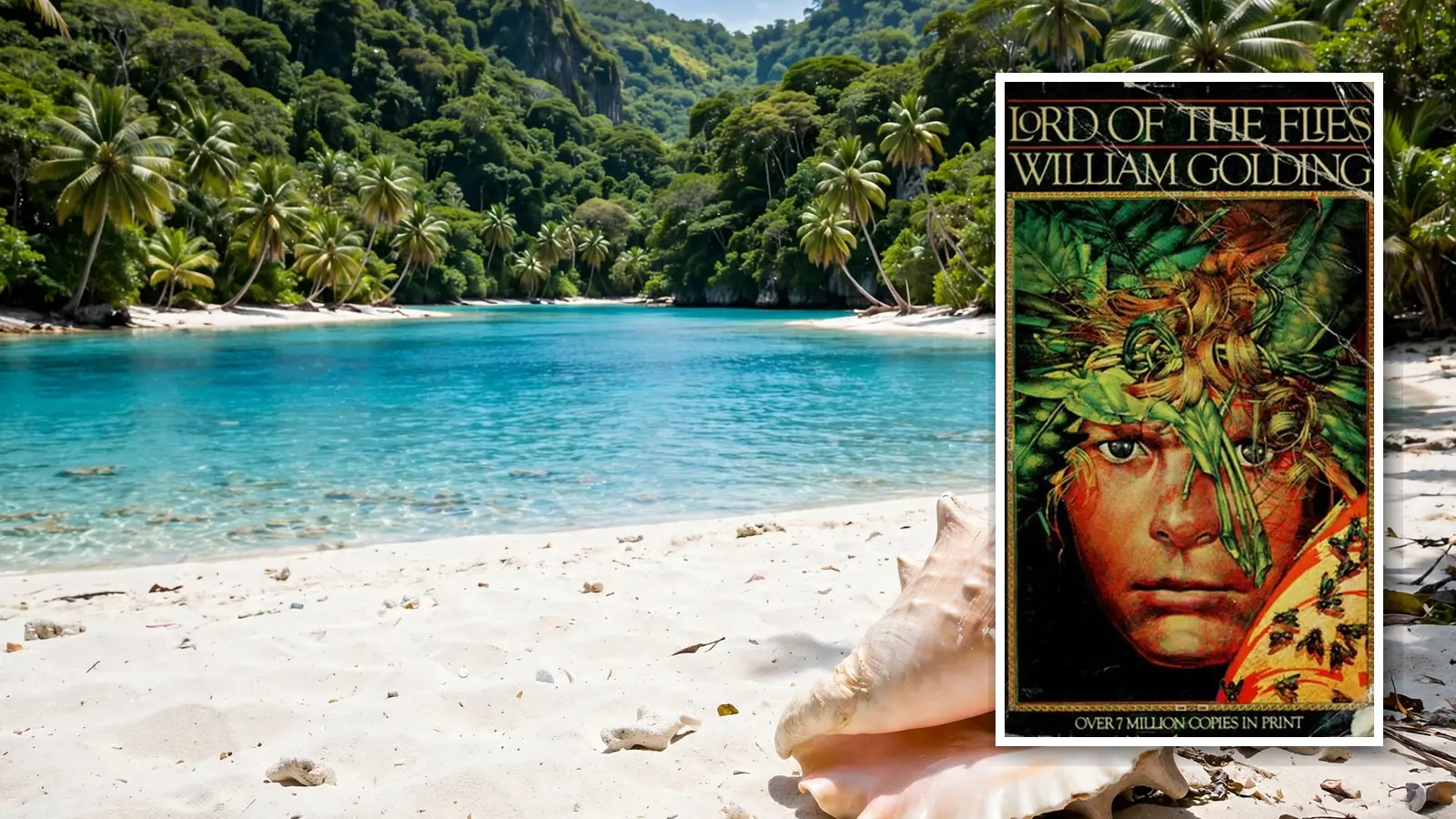
A plane full of British schoolboys crashes on a deserted island during a war. There are no adults. At first the boys try to build a fair society, with rules, meetings, and a conch shell to call order. Then fear takes over, and the island splits into hunters and hunted. William Golding published the novel in 1954. It was his first book, and it won him the Nobel Prize in Literature in 1983.
At a glance
Genre: Allegorical novel
Author: William Golding
Year: 1954
Goodreads rating: 3.70/5
Why it was challenged: Profanity, violence, demoralizing view of human nature
The American Library Association lists the reasons as obscene language, violence, and animal cruelty. In 1981 parents at Owen High School in North Carolina challenged it because it was demoralizing inasmuch as it implies that man is little more than an animal. In 1988 a Toronto school board committee called it racist and recommended removing it from all schools. Readers defend it because the violence is the argument. Golding asks what happens when the rules disappear, and his answer is uncomfortable on purpose.
11. Animal Farm
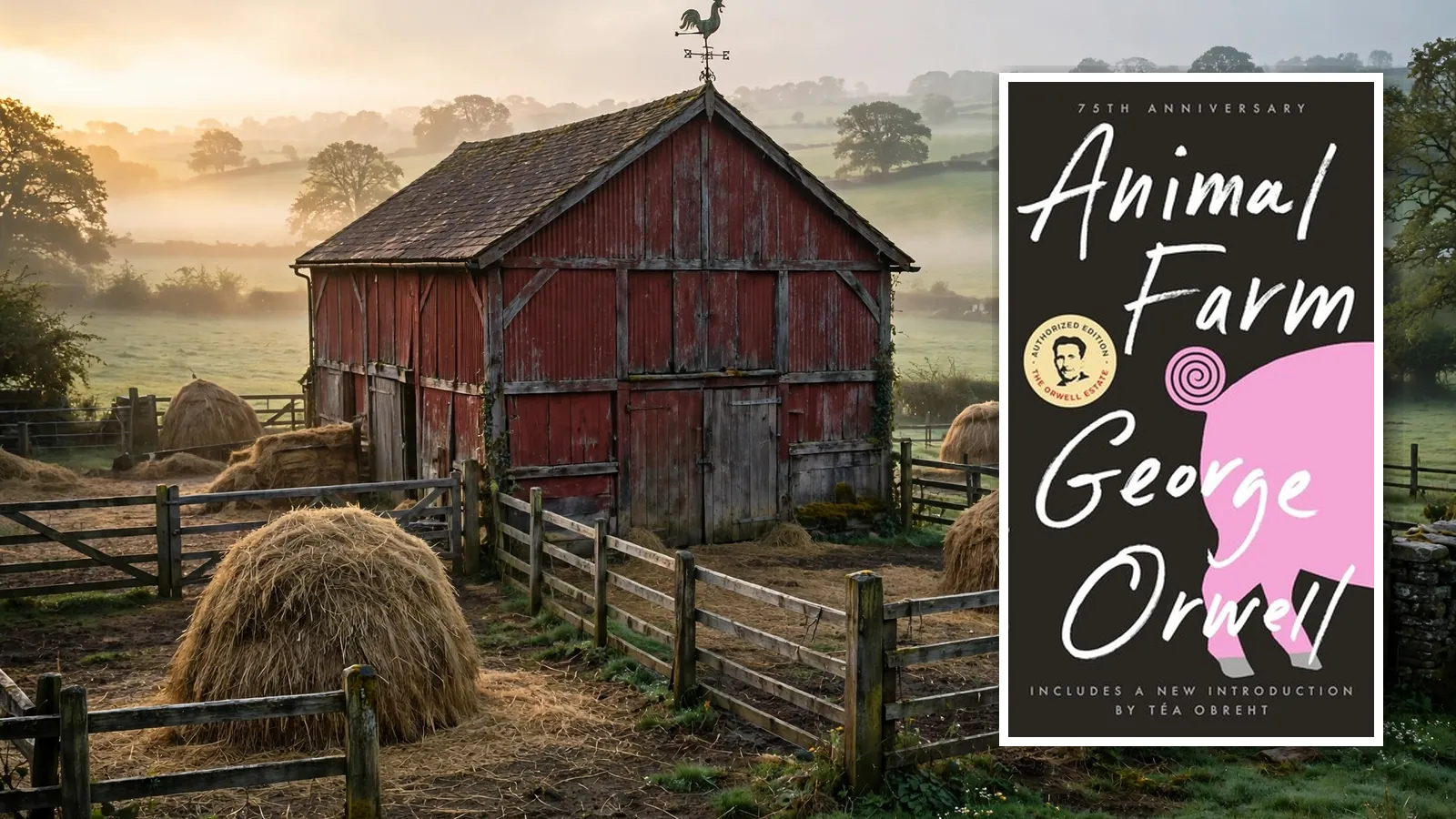
The animals of Manor Farm overthrow their drunken farmer, Mr. Jones, and set up their own society. All animals are equal, they declare. Then the pigs take charge, rewrite the rules, and become exactly what they overthrew. George Orwell published the novella in 1945. It is a fable about the Russian Revolution, with Napoleon the pig standing in for Stalin, and it is still the clearest short book ever written about how revolutions go wrong.
At a glance
Genre: Political satire, allegory
Author: George Orwell
Year: 1945
Goodreads rating: 4.03/5
Why it was challenged: Political commentary, criticism of corrupt leaders
The American Library Association lists the reason simply as political commentary. In 1991 a stage version was banned in Kenya because its criticism of corrupt leaders hit too close to home. In 2002 the book was banned in schools in the United Arab Emirates because talking pigs went against Islamic values. Readers defend it because it is short, clear, and impossible to forget. A child can follow the story of the farm, and an adult can see the politics underneath it.
How to Check a Challenge in Your District
First, search your school library catalog for the title. A missing book may be checked out, not banned, so ask a librarian before you assume the worst.
Second, ask for the district’s challenge policy. Every public school district has one, and it sets out who can file a challenge and what happens next.
Third, read the American Library Association’s challenge records. They list the reasons given for each book, so you can see whether the objection is about language, sex, politics, or something else entirely.
Fourth, attend the review meeting. Most challenges are decided by a small committee, and a calm reader in the room often matters more than a loud argument online.
Fifth, if a book is removed, borrow it from your public library or through interlibrary loan. A school removal is not a public ban, and the book is almost always still available nearby.
Sixth, read the book before you judge the challenge. The fastest way to defend a book is to know what it actually says.
Eleven books, eleven fights, and one pattern. The books that get banned are the ones that tell the truth about power, about race, about war, and about what people do to each other when no one is watching. The challengers are not always wrong to be uncomfortable. These books are uncomfortable. That is the point.
If you read only one, make it To Kill a Mockingbird for its courtroom, or Beloved for its ghost, or Animal Farm for its ending. If you want the hardest read, pick The Bluest Eye. If you want the strangest, pick Slaughterhouse-Five. Whichever you choose, read the fact box first. Knowing why a book was challenged changes every page that follows.
The bans did not work. Every book on this list is still in print, still in libraries, and still being read by teenagers who find it on their own. The people who tried to remove them are mostly forgotten. The books are not. Pick one up, and see for yourself what all the fuss was about.

John Smith is the founder and CEO of Karaoke Machines Guru. He is a karaoke tutor and karaoke enthusiast and has been passionate about karaoke since he was a child. He also writes about karaoke-related tips, guides, and product reviews on this website.
He overlooks the whole website and makes sure that everything is running smoothly. Learn more!