
Book lovers have a favorite argument, and this week it is back in full force. Wicked: For Good opens in cinemas on November 21, and every fan of Gregory Maguire’s novel is about to argue about what the film kept, cut, and changed. That debate never really ends, because Hollywood keeps turning beloved books into films, and the book usually has more room to breathe.
Some films beat their books. This list is not about those. These eight books each beat their films, and each one wins for a different reason. One lost its ending on the way to the screen. One lost its narrator. One lost its final chapter. One lost the meaning of its own title.
The eight books span 1954 to 2011, and the seven with a verified Goodreads average sit at 4.00 out of 5 between them. Read them first. Watch the films second. You will see exactly where the screen fell short.
The scorecard: 8 books, 8 verdicts
Ratings are Goodreads averages as reported in November 2026. They keep moving as more readers finish each book.
1. The Shining
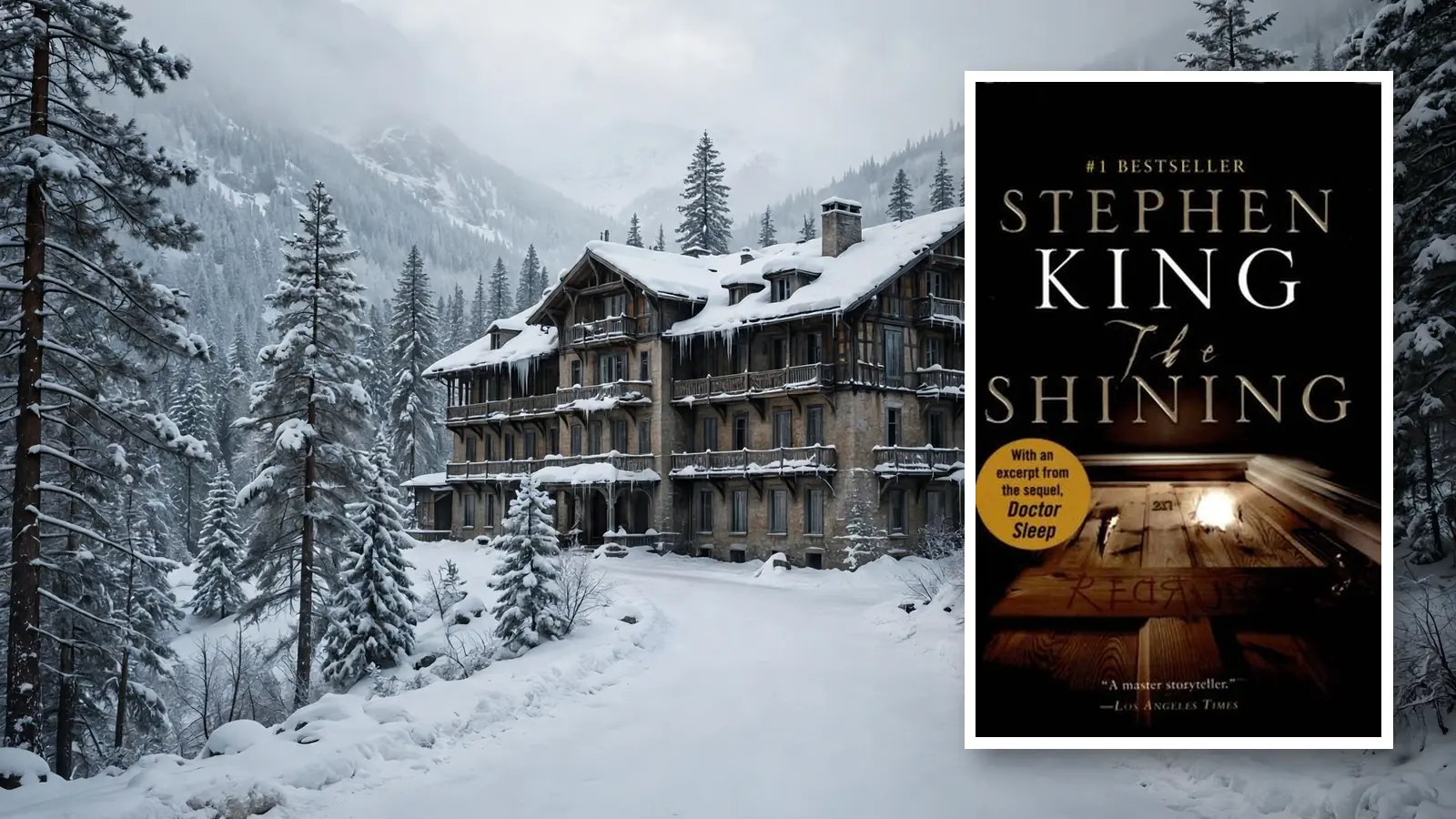
Jack Torrance needs a fresh start, so he takes the winter caretaker job at the Overlook Hotel, a grand old pile in the Colorado Rockies. He brings his wife Wendy and his five-year-old son Danny, who has a gift the book calls the shining. The hotel has a long, bloody history, and it wants Jack. In Stephen King’s 1977 novel, Jack is a recovering alcoholic fighting to stay sober and be a better father, and the hotel works on his weaknesses slowly, patiently, one small push at a time.
Stanley Kubrick’s 1980 film is a horror classic, and nobody here will tell you not to watch it. But it turns Jack cold and menacing from his first scene, and it throws away the slow fall that makes the book so frightening. King famously disliked the film so much that he wrote his own television version in 1997. The book also keeps the hotel’s past alive in a way the film never tries: the topiary animals that move when nobody is watching, the history of the guests who died there, and Room 217.
At a glance
Genre: Horror
Author: Stephen King
Year: 1977
Goodreads rating: 4.28/5
The endings tell the whole story. In the book, Jack fights the hotel long enough to save his family, then dies as the boiler explodes and the Overlook burns. In the film, he freezes to death in a hedge maze. One ending is about a man losing a fight he tried to win. The other is about a monster getting what was coming to him. The book is sadder, scarier, and better.
Verdict: read the book first. The film is a great haunted house ride. The book is a tragedy about addiction wearing a ghost story’s clothes.
2. One Flew Over the Cuckoo’s Nest
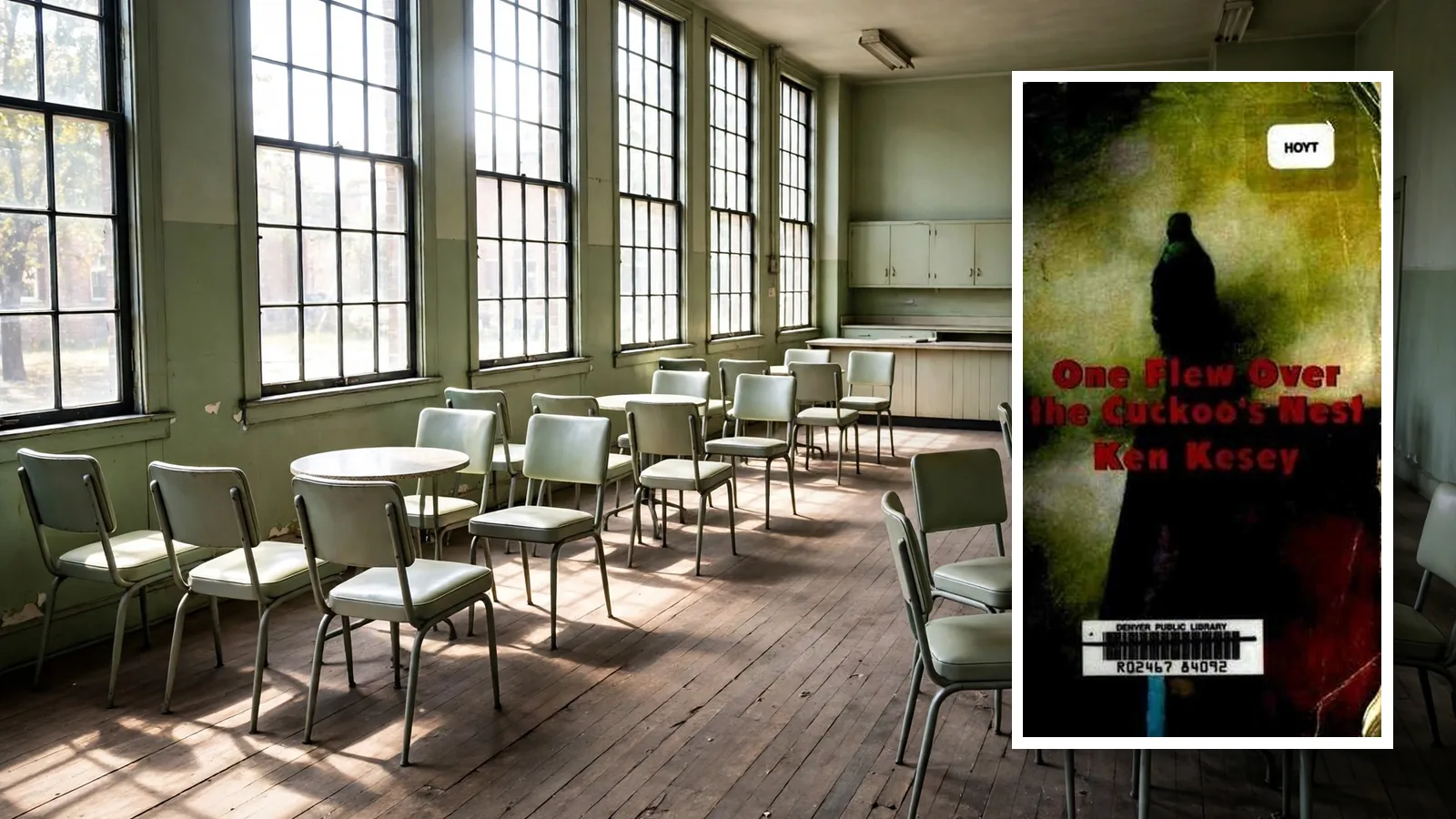
Chief Bromden has spent years on a psychiatric ward pretending to be deaf and dumb, watching everything and saying nothing. He narrates Ken Kesey’s 1962 novel from inside his own head, where the ward hums with a machine he calls the Combine and the fog rolls in whenever the staff want the patients quiet and small. Then Randle McMurphy arrives, loud and laughing, and starts a war with Nurse Ratched.
Milos Forman’s 1975 film won all five major Academy Awards, and it deserves every one of them. It is still one of the best films ever made about power. But it tells the story from the outside, and that costs it the book’s strangest and best parts. The fog is gone. The Combine is gone. Bromden becomes a quiet side character instead of the voice of the whole story. Kesey was so unhappy with the change that he sued the producers, and he said he never watched the film.
At a glance
Genre: Literary fiction
Author: Ken Kesey
Year: 1962
Goodreads rating: 4.19/5
The book also lands its final scene differently. Bromden lifts the control panel McMurphy could not move, throws it through the window, and runs for the road. In the film, the same escape happens, but it reads as a tribute to McMurphy. In the book, it is Bromden’s own victory, the moment a man who pretended to be broken proves he was listening all along.
Verdict: the film is a masterpiece, and the book is still better. The story belongs to the man telling it, not the man who walks into it.
3. A Clockwork Orange
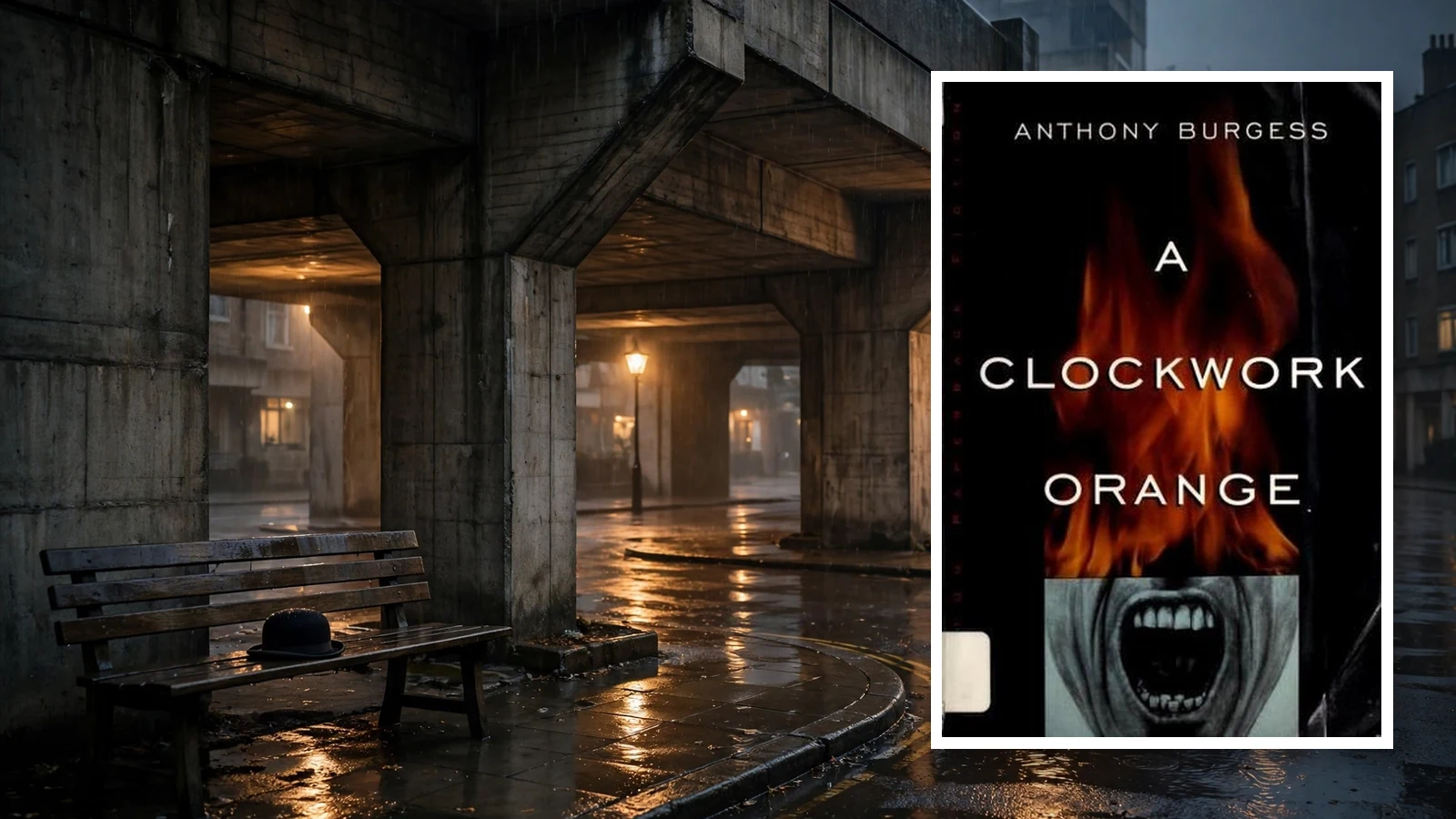
Alex is fifteen, and he leads his droogs through a near-future England of milk bars and street violence, narrating everything in Nadsat, the slang Burgess invented for him. He loves Beethoven, he loves trouble, and he does not care who he hurts. Then the state catches him and puts him through the Ludovico treatment, a cure that takes away his power to choose.
Stanley Kubrick’s 1971 film is stylish and shocking, and it keeps the slang and the violence. But Kubrick filmed the American edition of the book, which cut the final chapter, and that cut changes the meaning of the whole story. In Burgess’s 21st chapter, Alex grows up. He gets bored with violence, he thinks about a son of his own, and he starts to understand what he was. Without that chapter, Alex is a monster the state tried to fix. With it, he is a young man learning to choose.
At a glance
Genre: Dystopian fiction
Author: Anthony Burgess
Year: 1962
Goodreads rating: 3.98/5
Kubrick later said he had not known the chapter existed when he made the film, and Burgess spent years trying to set the record straight. The book also gives you something the film cannot: Alex’s voice in your ear for two hundred pages, funny and cruel and clever, until you catch yourself almost liking him.
Verdict: the film shows you Alex. The book lets you grow up with him, and that last chapter is the whole point.
4. I Am Legend
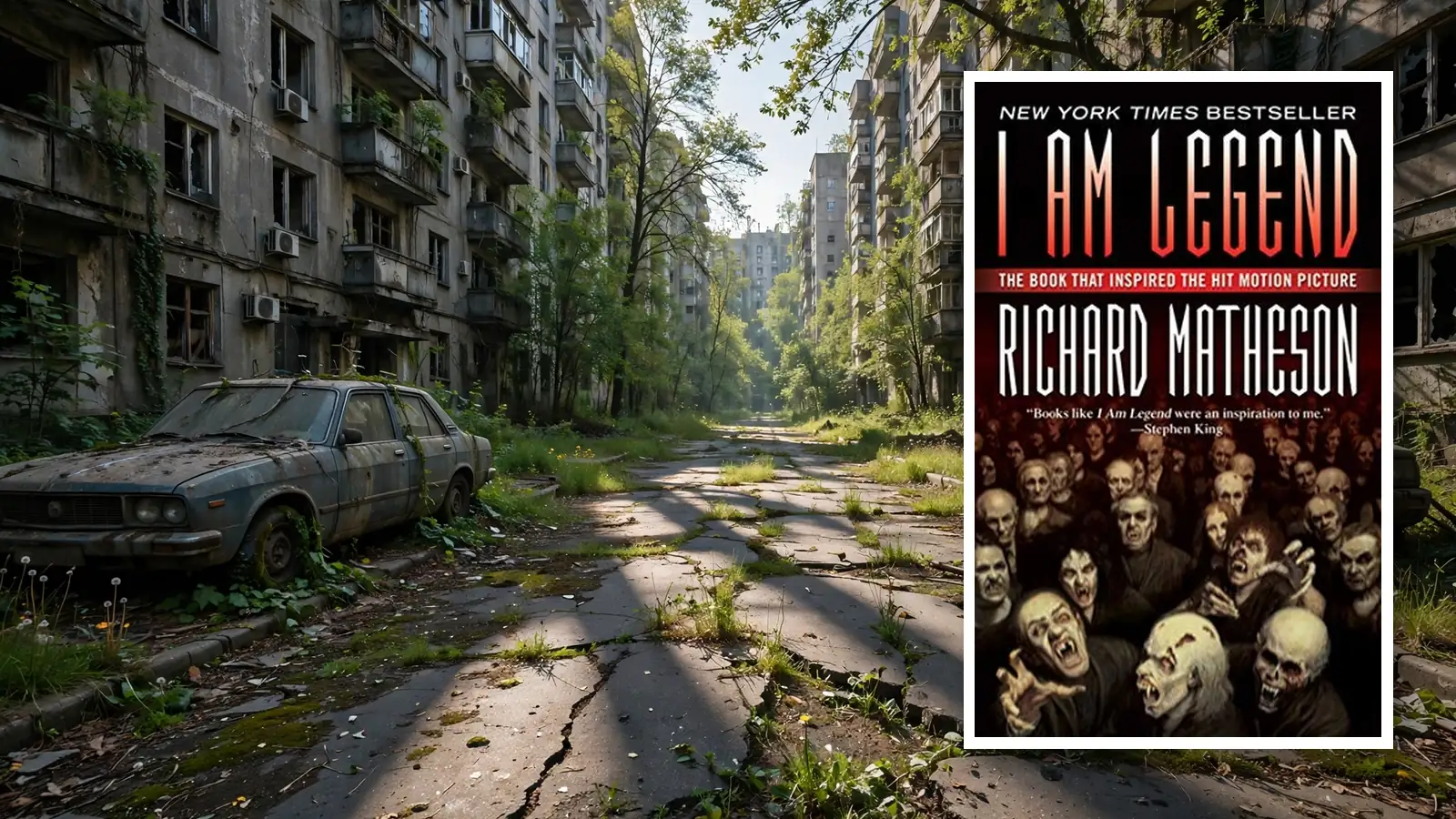
Robert Neville is the last living man in Los Angeles. A plague has turned everyone else into creatures that sleep by day and hunt by night, and Neville spends his days boarding up his house, growing garlic, and trying to understand what happened. Richard Matheson’s 1954 novel is only about 160 pages long, and it is one of the most influential horror novels ever written. Stephen King and George Romero both learned from it.
The book has been filmed three times: in 1964, in 1971, and in 2007 with Will Smith. The 2007 version is a slick action film, and it throws away the one thing that makes the book a classic. In the novel, Neville discovers the creatures have built a new society, with laws and families of their own, and he is the monster who stalks them by day. He is their legend. The film’s theatrical ending turns him into a hero who dies saving two strangers, and the title stops meaning anything.
At a glance
Genre: Post-apocalyptic horror
Author: Richard Matheson
Year: 1954
Goodreads rating: 4.05/5
The book’s science is part of the pleasure too. Neville tests his blood, studies the germ, and works out why garlic and mirrors matter. The film skips most of that and hands him a cure in a laboratory scene. Matheson’s ending is bleak and perfect, and it is the reason the book is still read more than seventy years later.
Verdict: watch the film for the empty city streets. Read the book for the last ten pages, which the film never dared to shoot.
Why the book usually wins
The pattern repeats in almost every adaptation: the film keeps the plot and loses the point.
5. Interview with the Vampire
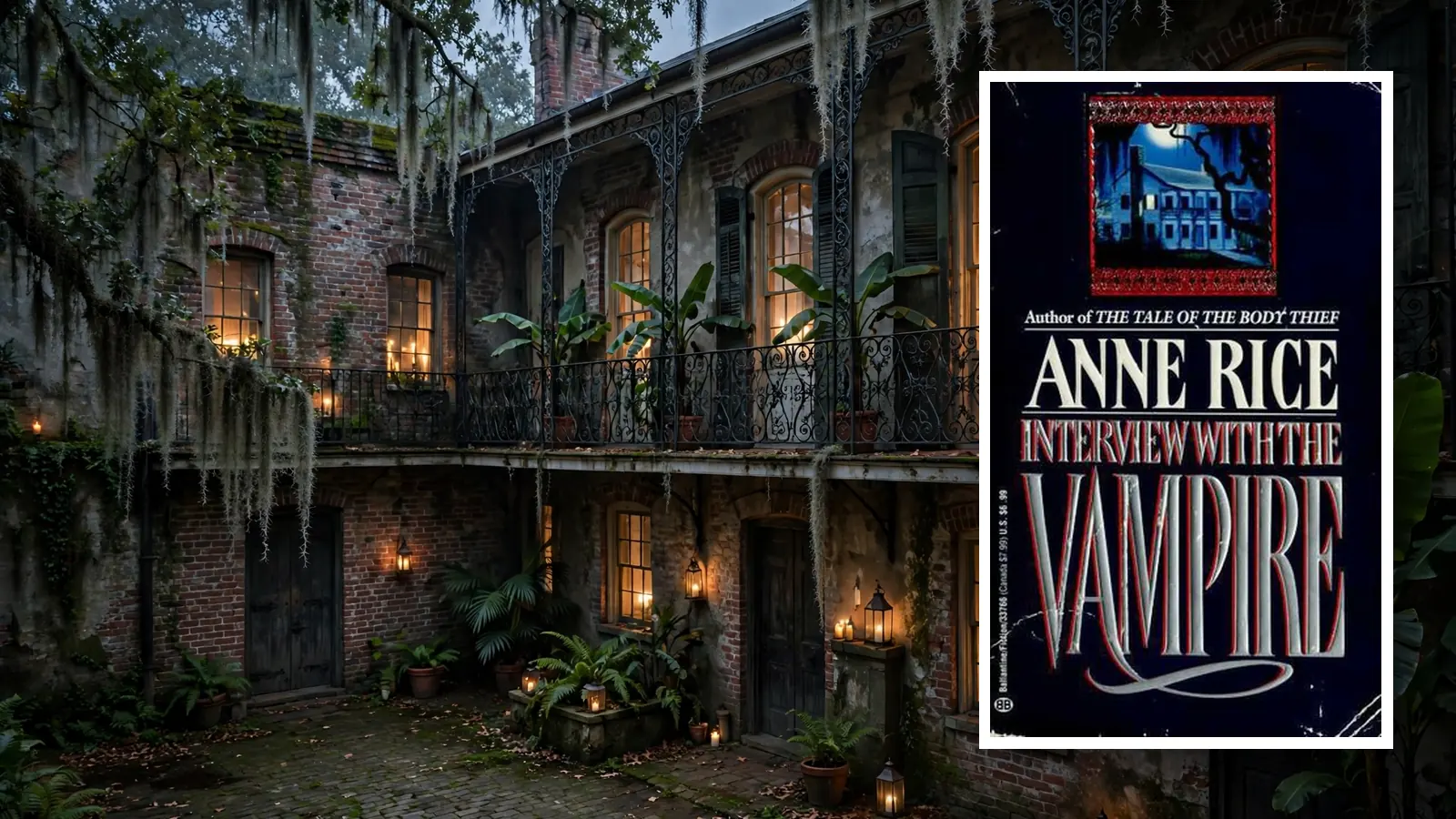
Louis de Pointe du Lac is a vampire, two hundred years old, and he is tired of it. He sits in a dark room in San Francisco and tells his whole life to a young reporter: the Louisiana plantation in 1791, the vampire Lestat who made him, and Claudia, the child vampire they raise together. Anne Rice’s 1976 novel changed vampire fiction, because her monsters feel guilt, grief, and boredom instead of just hunger.
Rice wrote the screenplay for the 1994 film herself, and it is a handsome, faithful film with Tom Cruise as Lestat and Brad Pitt as Louis. It even keeps the story’s shape. But a film can only show you what vampires do, and the book lives inside what they feel. Louis’s long arguments with himself, his slow slide into despair, his love for Claudia and his horror at what she has become, all of that shrinks to a few lines of dialogue. The AMC television series that began in 2022 tells the same story with more room, and it proves the point: this book needs time.
The book also has a darker, stranger texture than either screen version. Rice’s New Orleans is hot, rotting, and beautiful, and her Paris is a nest of theatre vampires who play at being human. The film gives you the costumes. The book gives you the centuries.
Verdict: the film is the best-looking version of this story. The book is the one that stays with you, because Louis tells it to you himself.
6. The Girl with the Dragon Tattoo
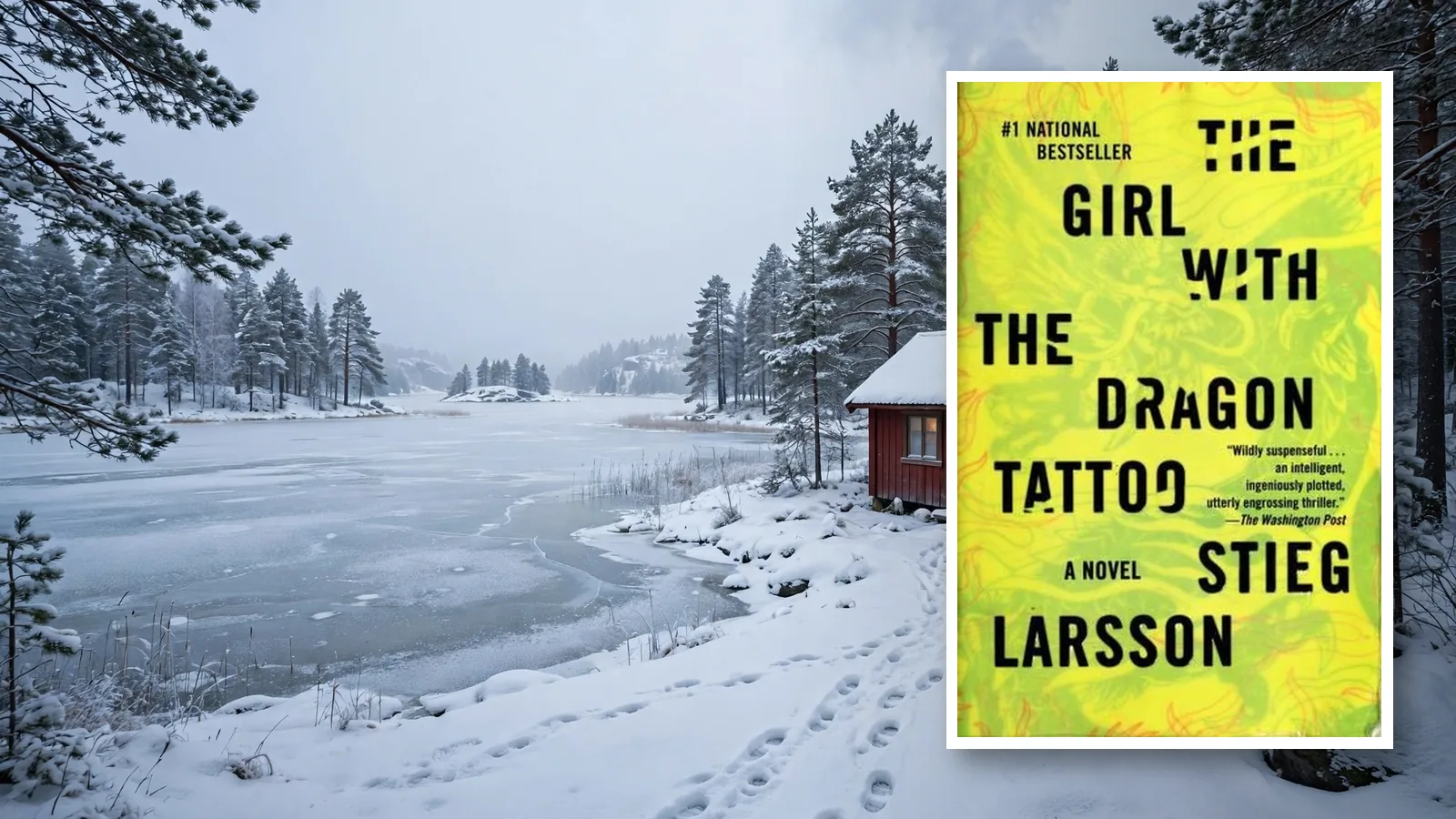
Mikael Blomkvist is a disgraced journalist, and Henrik Vanger is an old industrialist with a decades-old mystery. His niece Harriet vanished from a locked island in 1966, and he wants Blomkvist to find out what happened. Blomkvist needs help, and he gets it from Lisbeth Salander, a young hacker with a dragon tattoo, a photographic memory, and no patience for powerful men. Stieg Larsson’s 2005 novel is the first Millennium book, and it became one of the biggest crime novels of the century.
Two films have taken on the story, the Swedish version in 2009 and David Fincher’s English version in 2011, and both are good thrillers. But both have to cut the book’s slow build, and the slow build is the point. The financial fraud case that ruins Blomkvist, the Vanger family tree with its secrets in every branch, and Lisbeth’s own history all get squeezed into a few scenes. On the page, the mystery earns its answer. On screen, the answer arrives on schedule.
At a glance
Genre: Crime thriller
Author: Stieg Larsson
Year: 2005
Goodreads rating: 4.17/5
Larsson died in 2004, before the book was published, so he never saw what it became. That makes the book feel even more like a message in a bottle: a journalist’s anger at corruption, a hacker’s fury at men who abuse women, and a locked-room mystery that holds together for more than six hundred pages.
Verdict: the films are fine Friday night thrillers. The book is the full case file, and Lisbeth is bigger on the page.
7. The Da Vinci Code
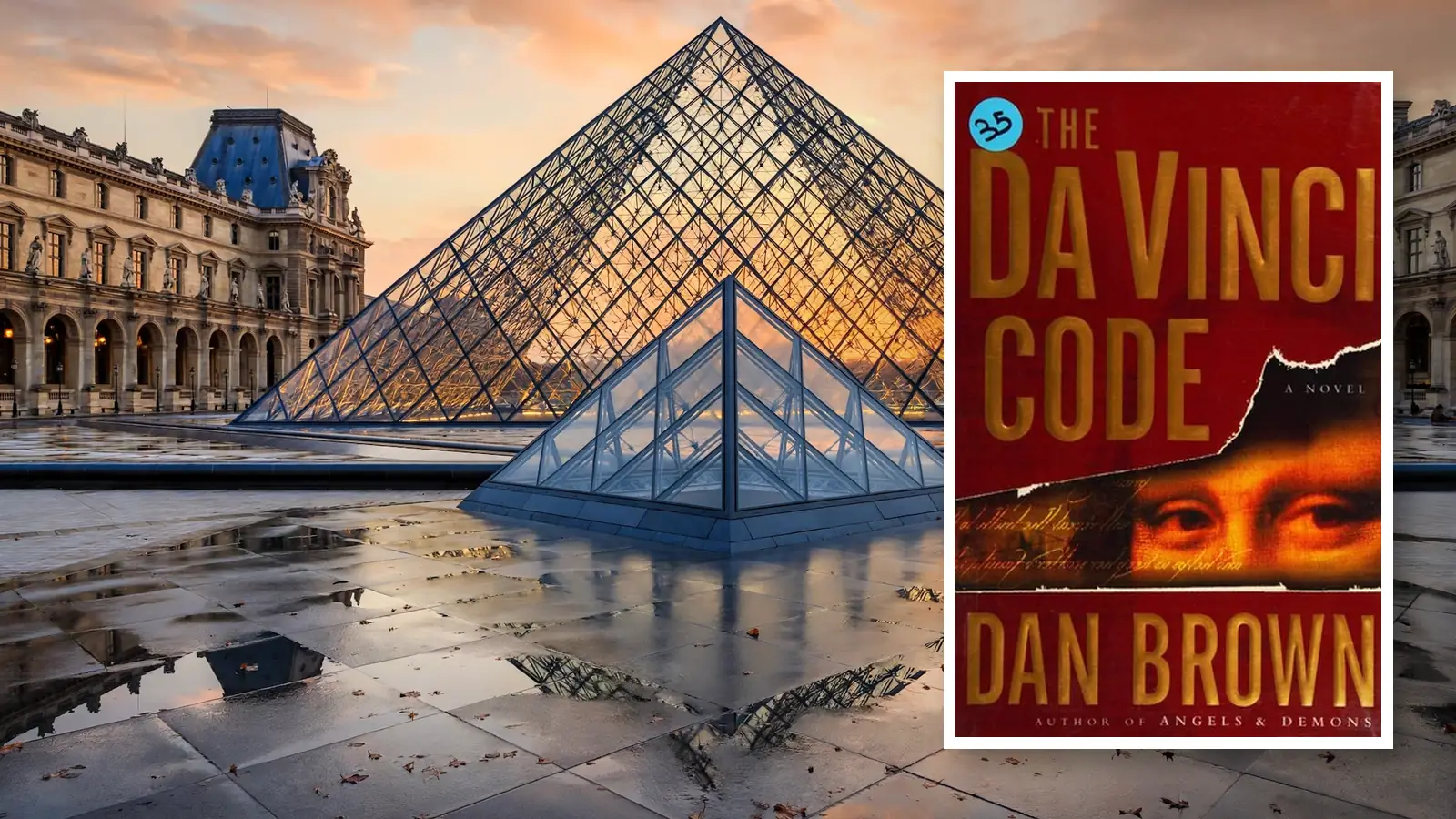
Robert Langdon, a Harvard professor who studies symbols, gets a late-night call in Paris. The curator of the Louvre has been murdered, and his body is arranged like a puzzle. Dan Brown’s 2003 novel sends Langdon and cryptologist Sophie Neveu racing through Paris, London, and the history of the Holy Grail, one code at a time. It sold 80 million copies and was translated into 44 languages, and it turned a thriller into a worldwide argument.
Ron Howard’s 2006 film has Tom Hanks as Langdon and the same plot, but the pleasure of the book is solving the clues alongside him, and a film cannot give you that. On the page, you stare at the anagrams and the paintings and work them out a beat before Langdon does. On screen, the clues arrive as exposition, the art-history lessons become speeches, and the race between set pieces leaves no time to think. Critics were unimpressed, and readers noticed the difference.
At a glance
Genre: Mystery thriller
Author: Dan Brown
Year: 2003
Goodreads rating: 3.94/5
The book is not great literature, and its fans would be the first to admit it. Its sentences are plain and its villains are broad. But it is a machine for turning pages, and the film slows that machine down. The Louvre at night, the cryptex, the final reveal under the Louvre pyramid: all of it plays better in your head, where you are the one holding the cryptex.
Verdict: the film is a souvenir of the book. The book is the puzzle, and puzzles are better when you solve them yourself.
8. The Martian

Mark Watney is alone on Mars, and his crew thinks he is dead. A dust storm forced them to evacuate, and Watney woke up with a hole in his side and a habitat full of food that will run out long before anyone can reach him. Andy Weir’s 2011 novel tells the story through Watney’s log entries, and Watney is the funniest stranded astronaut in fiction. He grows potatoes in Martian soil, makes water from rocket fuel, and jokes about it the whole way.
Ridley Scott’s 2015 film, with Matt Damon as Watney, is one of the most faithful adaptations on this list, and it is a joy to watch. The book still wins, because the film has to cut the best parts of being stranded. The long drive across Mars to the Schiaparelli crater, the slow science of staying alive, and the full run of Watney’s jokes all shrink to fit a two-hour film. On the page, every problem gets a full chapter, and every solution feels earned.
At a glance
Genre: Science fiction
Author: Andy Weir
Year: 2011
Goodreads rating: 4.42/5
The book also has a better sense of time. Watney spends more than a year alone, and the novel lets you feel every sol of it. The film moves faster, and it should, but speed is the enemy of a survival story. Weir’s next novel, Project Hail Mary, becomes a film on March 20, 2026. Read The Martian first, and you will know exactly what to look for in that one too.
Verdict: the film is the rare adaptation that gets the book right. The book is still the fuller meal, with all the science left in.
The biggest gaps between page and screen
The other four films lose less, but they still lose something only the book has.
Eight books, eight wins for the page. None of these films is a disaster, and most of them are worth an evening. That is the point. A good film can still lose to a great book, because a book gives you the inside of a character’s head, the time to sit with a mystery, and the ending the author actually wrote.
So read first, then watch. You will enjoy the films more once you know what they left behind, and you will understand why readers keep saying the same thing every time a new adaptation is announced. The book was better. This time, and most times, they are right.

John Smith is the founder and CEO of Karaoke Machines Guru. He is a karaoke tutor and karaoke enthusiast and has been passionate about karaoke since he was a child. He also writes about karaoke-related tips, guides, and product reviews on this website.
He overlooks the whole website and makes sure that everything is running smoothly. Learn more!