

Some books you read. These books grab you by the collar and refuse to let go until the last page.
End of the world stories are having a huge moment again, and it is easy to see why. They take the fears everyone quietly carries and turn them into stories about love, grit, art, and the strange ways people keep going when everything familiar falls away.
The seven books below are the ones readers keep pressing into the hands of friends. A travelling theatre troupe in a world without power. A father and son walking through ash. A silo buried under a poisoned sky.
Each one starts with a hook you cannot shake. Each one earns its ending. Clear your weekend before you start the first chapter, because putting these down is the hardest part.
This list at a glance
Five decades of classics4 pandemics
Plus ash, fungi and a silo1 rule
Start with a free evening
There is also a quiet second story hiding inside this one. Some survivors settle in an old airport, where a man begins collecting objects from the lost world, phones, credit cards, high heeled shoes, and arranging them in a small museum. It sounds like a footnote. It becomes one of the most moving ideas in the book, a reminder that people protect meaning as fiercely as they protect food and shelter.
1. Station Eleven by Emily St. John Mandel
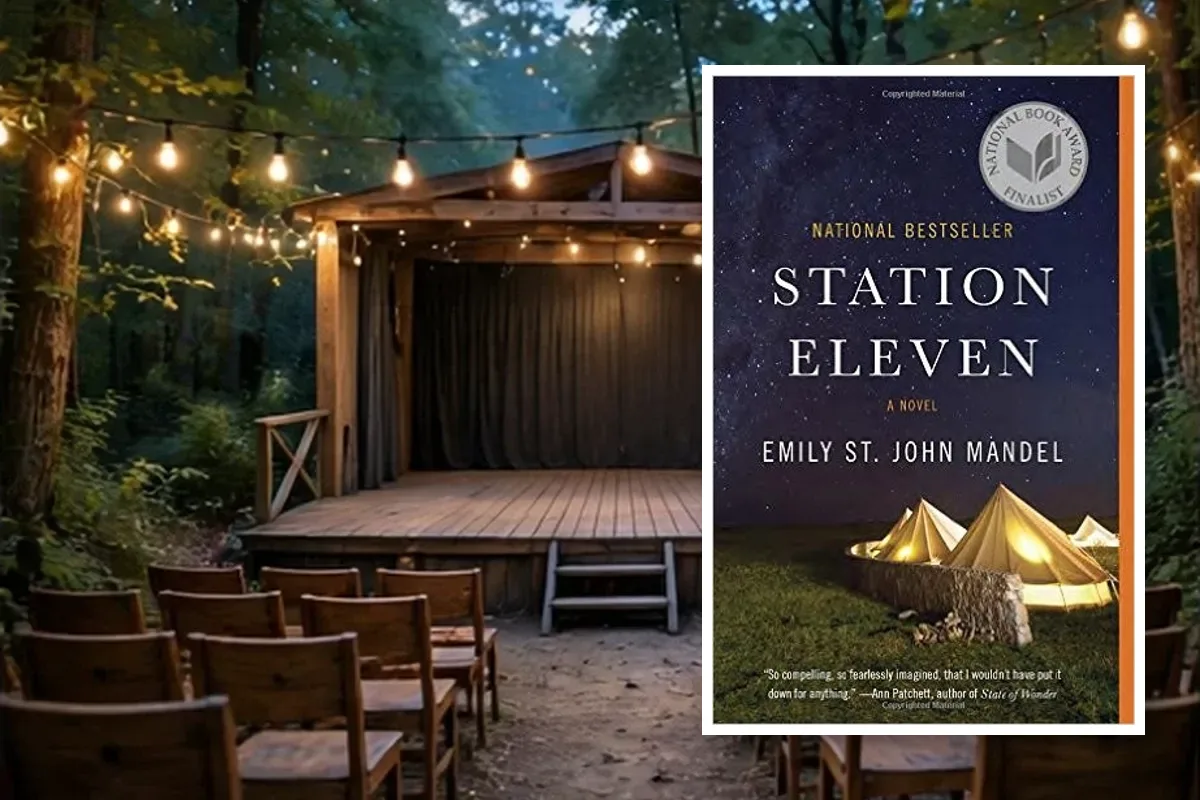
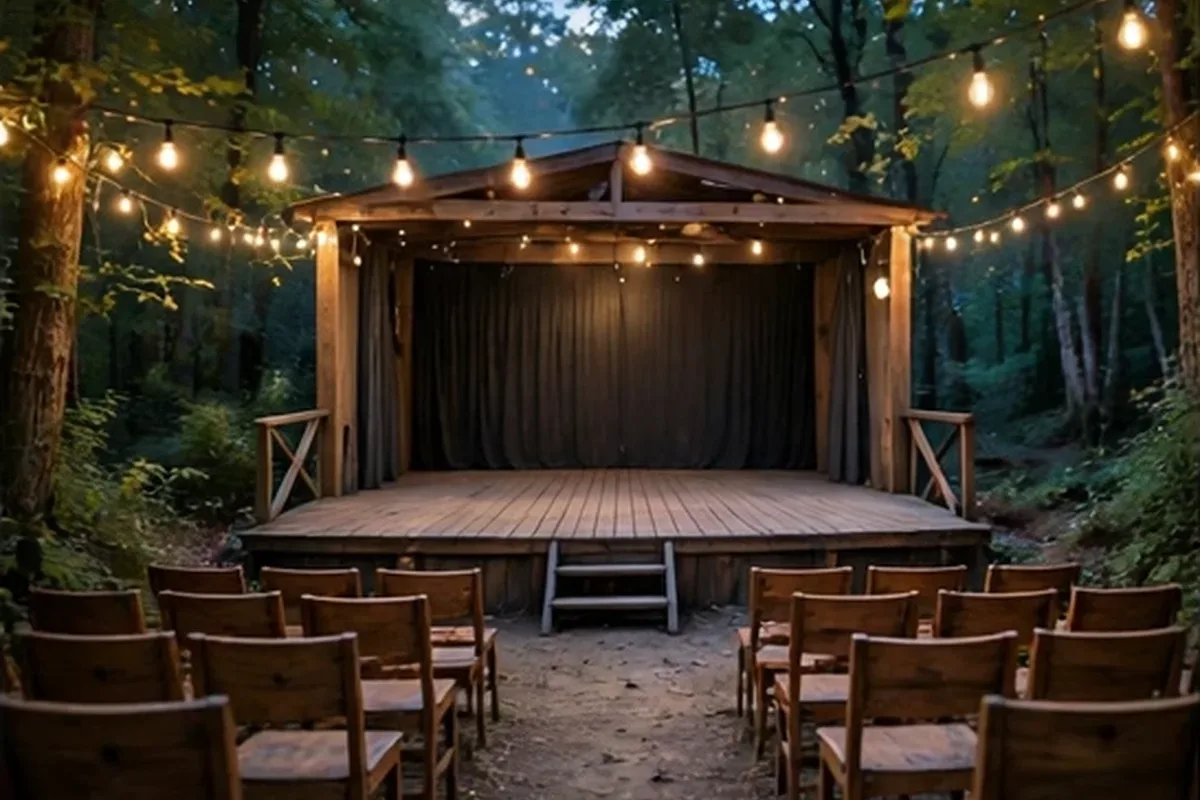
A flu pandemic wipes out most of the world in days. Twenty years later, a small troupe of actors and musicians travels between tiny settlements, performing Shakespeare for people who have almost nothing left.
At a glance
Genre: Post apocalyptic literary fiction | Author: Emily St. John Mandel | Year: 2014 | Goodreads rating: 4.06
Check it on Amazon
That simple setup is the hook, and it works beautifully. Emily St. John Mandel, who published the novel in 2014, keeps cutting between the world before the collapse and the quiet, dangerous world after it. A famous actor dies on stage in the opening pages. A young girl in the audience grows up to join the troupe. A paperweight passes from hand to hand, linking lives that never meet.
The tension here is not about jump scares. It is about what survives when the lights go out. Music survives. Stories survive. So does danger, and the troupe walks roads where a wrong turn can cost everything.
Readers call this book haunting, and that is the right word. Scenes stay with you for weeks. The prose is clean and calm, which makes the losses land even harder.
If you usually avoid apocalypse stories because they feel too bleak, start here. This one argues that art is not a luxury. It is food.
First time readers often notice the weather most. Ash falls like snow, the sea is grey, and food is so scarce that a single found tin can feel like a feast. McCarthy never explains what caused the disaster, and that silence is deliberate. The cause stopped mattering long before the story begins. What matters is the walk, the cart, and the small, stubborn kindnesses the father still tries to teach while the world offers him every reason to stop.
2. The Road by Cormac McCarthy
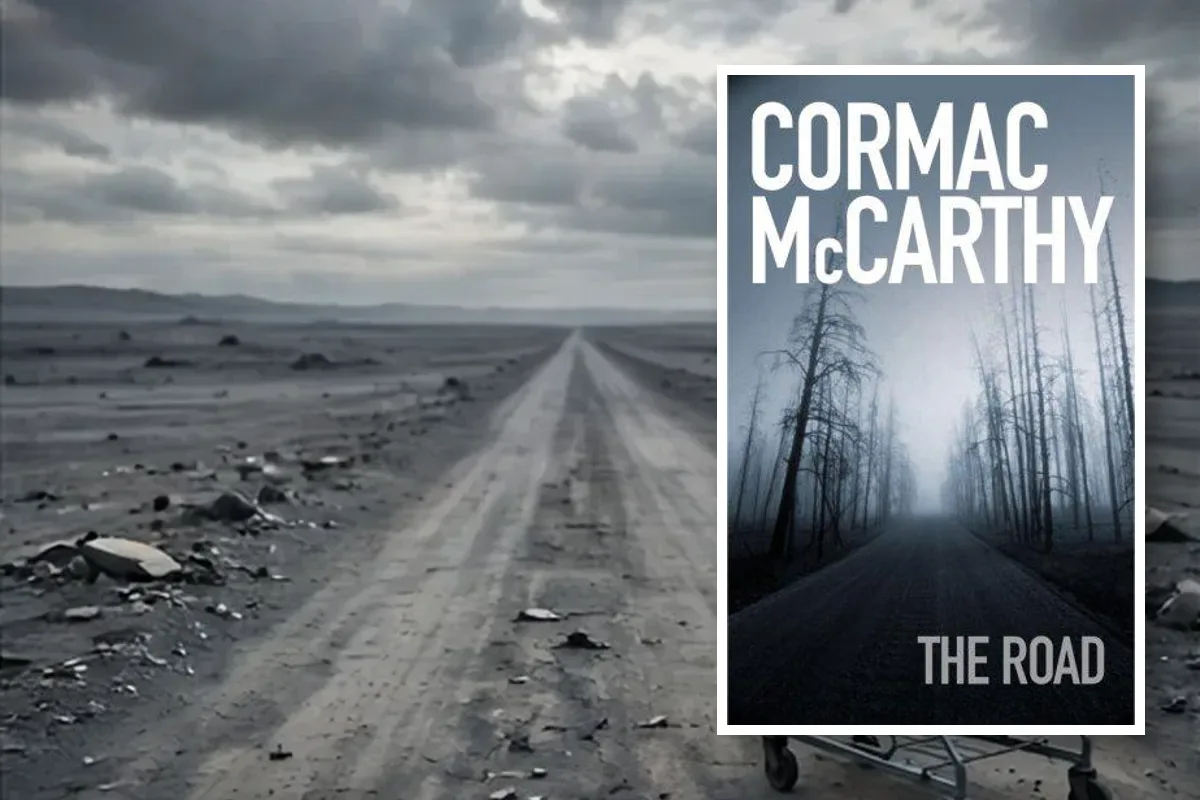
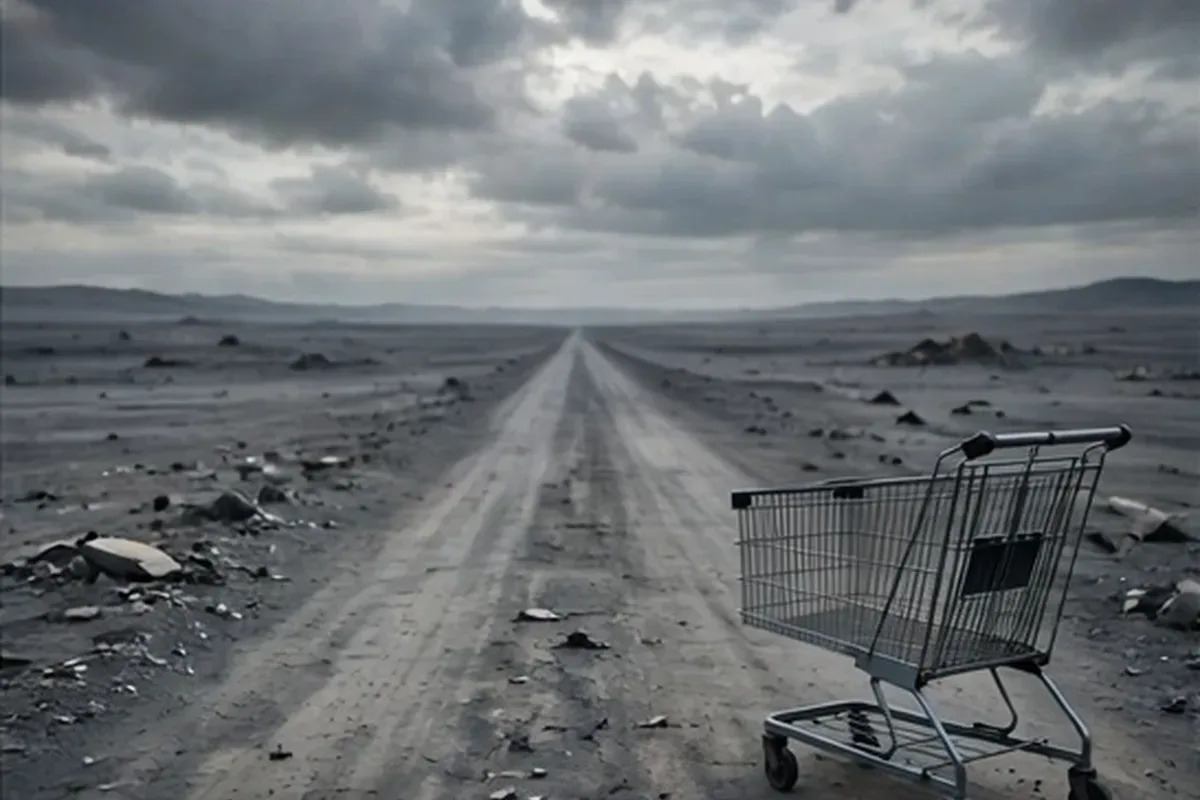
A man and his young son walk south through a burned America, pushing a shopping cart of scavenged food. The sky is grey. The trees are dead. They have a pistol with two bullets, and each other.
At a glance
Genre: Post apocalyptic literary fiction | Author: Cormac McCarthy | Year: 2006 | Goodreads rating: 4.00
Check it on Amazon
Cormac McCarthy published The Road in 2006, and it went on to win the Pulitzer Prize for Fiction in 2007. Few novels have ever hit readers this hard with this few words. Sentences come in short, stripped fragments. Whole pages pass with almost no speech.
The horror is quiet and constant. Food runs low. Strangers on the road are a threat first and people second. The father teaches his son to carry what he calls the fire, a stubborn refusal to become cruel even when cruelty looks like the only way to live.
What makes the book impossible to put down is the love at its centre. Every decision the man makes is filtered through one question. Does this keep the boy alive, and does it keep him good?
It is a short novel. You can finish it in two sittings. You will think about it for a lot longer than that.
The two poles of the story could hardly be clearer. Mother Abagail, a woman well past one hundred years old, gathers the kind and the hopeful around her in Colorado. Randall Flagg, the dark man, builds his camp in Las Vegas on fear and spectacle. King is too good a storyteller to make the choice simple, though. Good people in this book are flawed, tired, and sometimes wrong, which is exactly why their stand matters.
3. The Stand by Stephen King
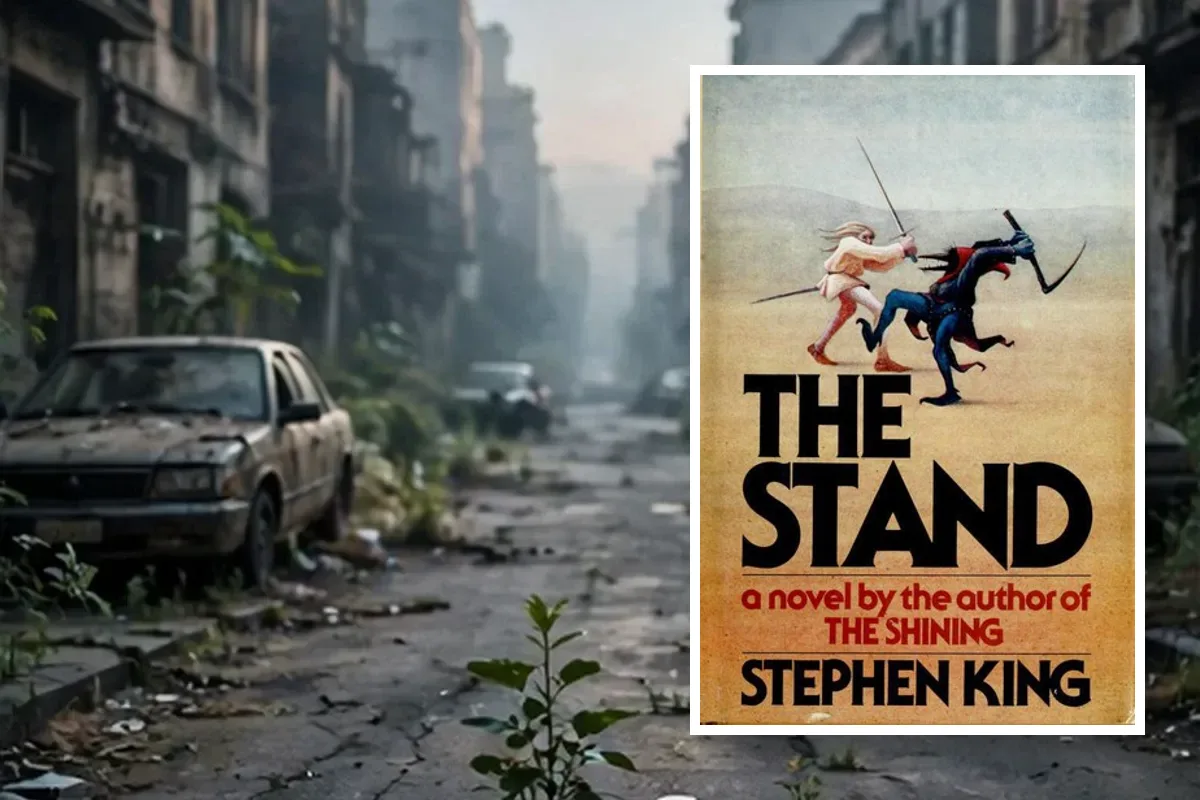
A weaponised flu escapes a laboratory and kills almost everyone in America within weeks. The survivors dream of two figures. One is a kind old woman in Nebraska. The other is a dark man walking the highways of the West.
At a glance
Genre: Post apocalyptic horror epic | Author: Stephen King | Year: 1978 | Goodreads rating: 4.35
Check it on Amazon
Stephen King published The Stand in 1978, and it remains his biggest swing at the end of the world. This is the epic of the list. More than a thousand pages in its complete edition, dozens of characters, and a slow build from total collapse to two new societies facing off across a ruined country.
The first third is the part readers never forget. King follows the flu town by town and person by person, and the dread builds like pressure before a storm. You meet a rock singer, a pregnant student, a deaf man travelling alone, and you care about all of them before the world ends around them.
Yes, it is long. That is the point. By the time the two camps finally collide, you have lived in this broken world for days of reading, and every loss feels personal.
Pick it up when you want a book that swallows a whole month of evenings.
Pick your apocalypse
Station Eleven, The RoadWant scale?
The Stand, World War ZWant a twist?
Wool, The Girl with All the Gifts
The interviews also give the book an unusual second life as an audio experience, since each voice begs to be performed rather than simply read. On the page, the same structure rewards slow reading. Brooks hides small links between accounts, a name here, a place there, so that alert readers slowly assemble the true timeline of the war themselves. Few novels trust their audience this much, and fewer still make a fictional history feel this documented and real.
4. World War Z by Max Brooks
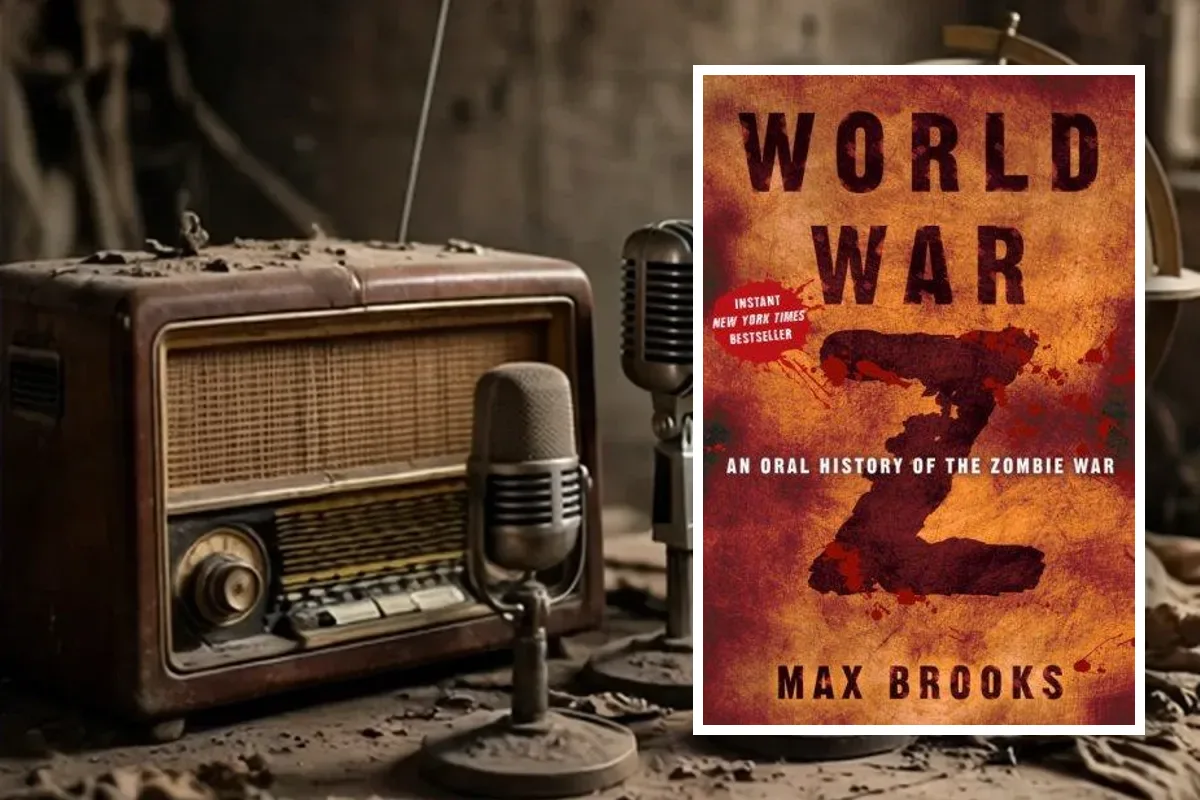
The zombie war is over. Humanity won, barely. Now a researcher travels the world recording the voices of the people who lived through it, one interview at a time.
At a glance
Genre: Zombie horror, told as an oral history | Author: Max Brooks | Year: 2006 | Goodreads rating: 4.02
Check it on Amazon
Max Brooks published World War Z in 2006, and its oral history format is still the smartest trick in the genre. There is no single hero. Instead you hear from a doctor who saw the first cases, a soldier who fought in a suburb turned battlefield, a pilot, a smuggler, a family that fled north to the frozen wilds.
Each voice adds a new piece of the puzzle. How did governments fail? Why did smart people ignore clear warnings? What did survival cost the people who made the hardest calls?
Because every chapter is a fresh voice in a fresh place, the book never stalls. You keep reading to hear the next account, and the next, and suddenly it is two in the morning.
It also works for readers who do not like horror. The zombies matter, but the real subject is how societies bend, break, and rebuild. Few end of the world books feel this believable.
Wool is also the first part of a larger Silo story, followed by the novels Shift and Dust. You do not need them to enjoy this book, since Juliette’s journey lands with real force on its own. But readers who finish Wool hungry for answers about how the silos were built, and who built them, will be glad the story continues. Howey expands the world in directions the first book only hints at, and the reveals reframe everything above them.
5. Wool by Hugh Howey
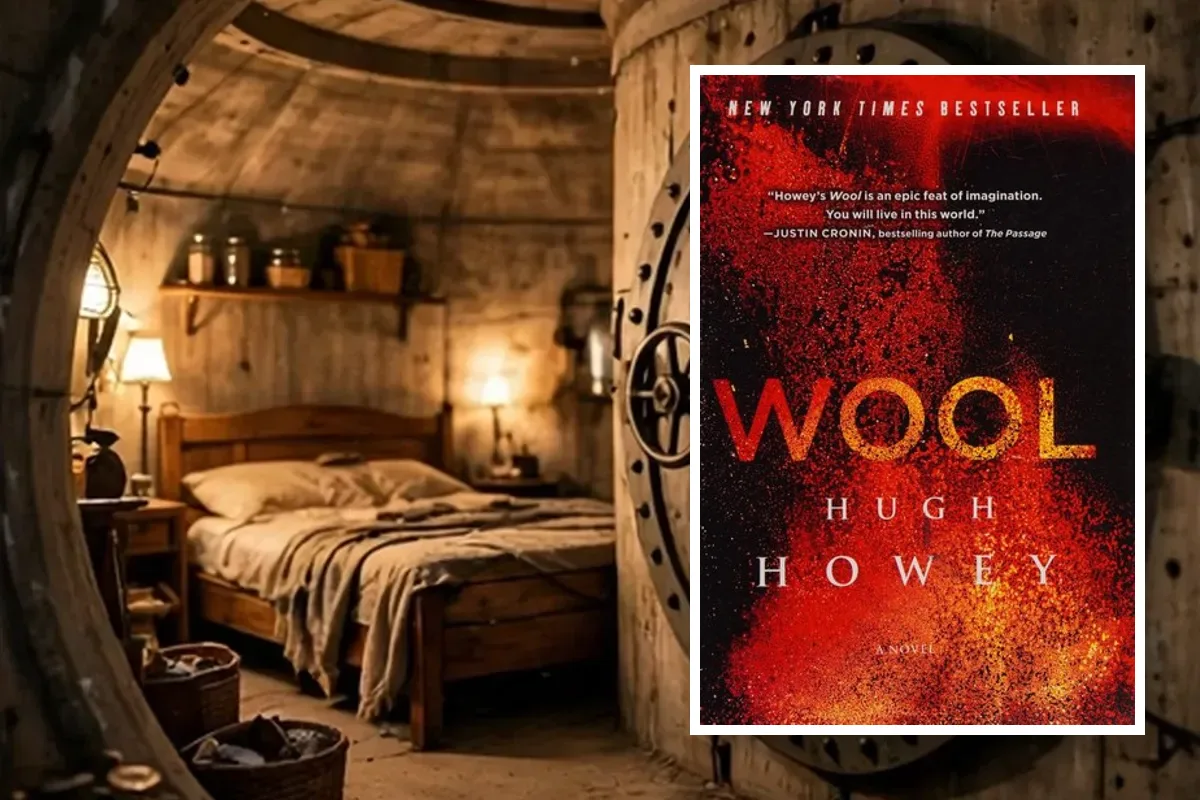
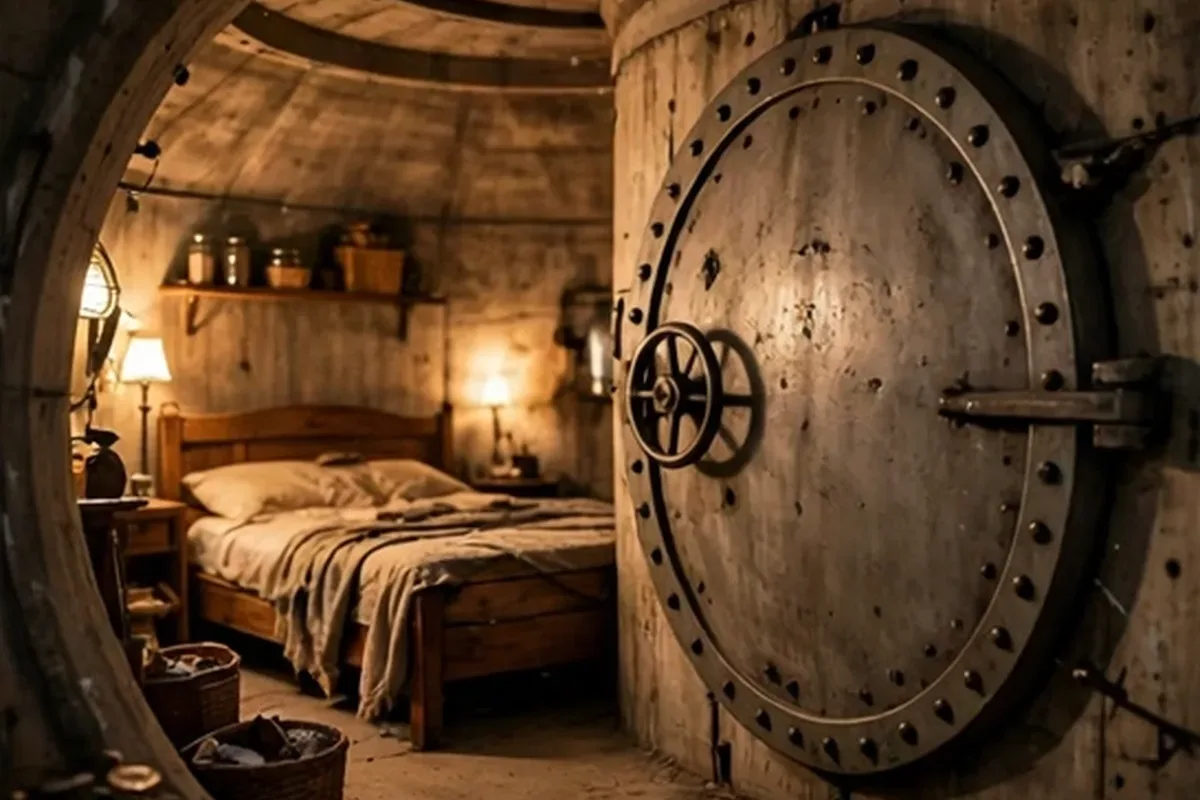
Far below a ruined, toxic surface, thousands of people live in a giant underground silo. Their only view of the outside world comes through cameras, and the worst punishment in their society is being sent out to clean them.
At a glance
Genre: Dystopian science fiction | Author: Hugh Howey | Year: 2013 | Goodreads rating: 4.22
Check it on Amazon
Everyone sent outside dies. Everyone knows it. So why do they all clean the lenses before they fall?
Hugh Howey built Wool from a short story into a full novel, with the collected edition arriving in 2013, and the mystery engine inside it is superb. A sheriff asks questions nobody is allowed to ask. A mechanic from the deep levels starts climbing, floor by floor, toward answers that powerful people will kill to protect.
The silo itself is a character. One hundred and forty four levels of farms, workshops, schools, and secrets, all stacked in a tube of rules and fear. Every level Juliette climbs reveals a new lie about how this world really works.
This is the page turner of the list. Chapters end on small, perfect hooks. You will promise yourself one more chapter at least five times in a row.
Butler wrote a sequel, Parable of the Talents, published in 1998, which follows Lauren and her young daughter and deepens the questions this first book raises about power, belief, and survival. Many readers read the two as one long novel. Start with Sower, though. Its ending, a small group walking toward an uncertain north with seeds in their pockets, is one of the great closing images in science fiction, hopeful and hard won in equal measure.
6. Parable of the Sower by Octavia E. Butler
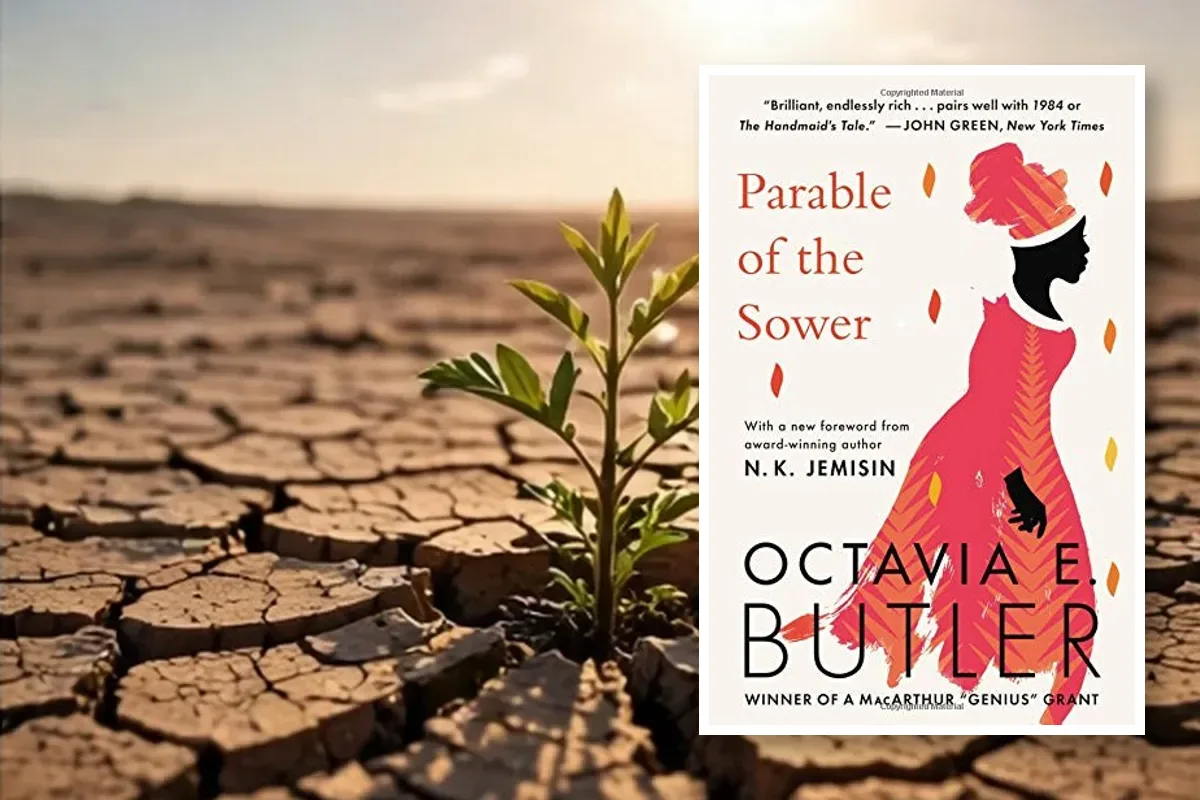
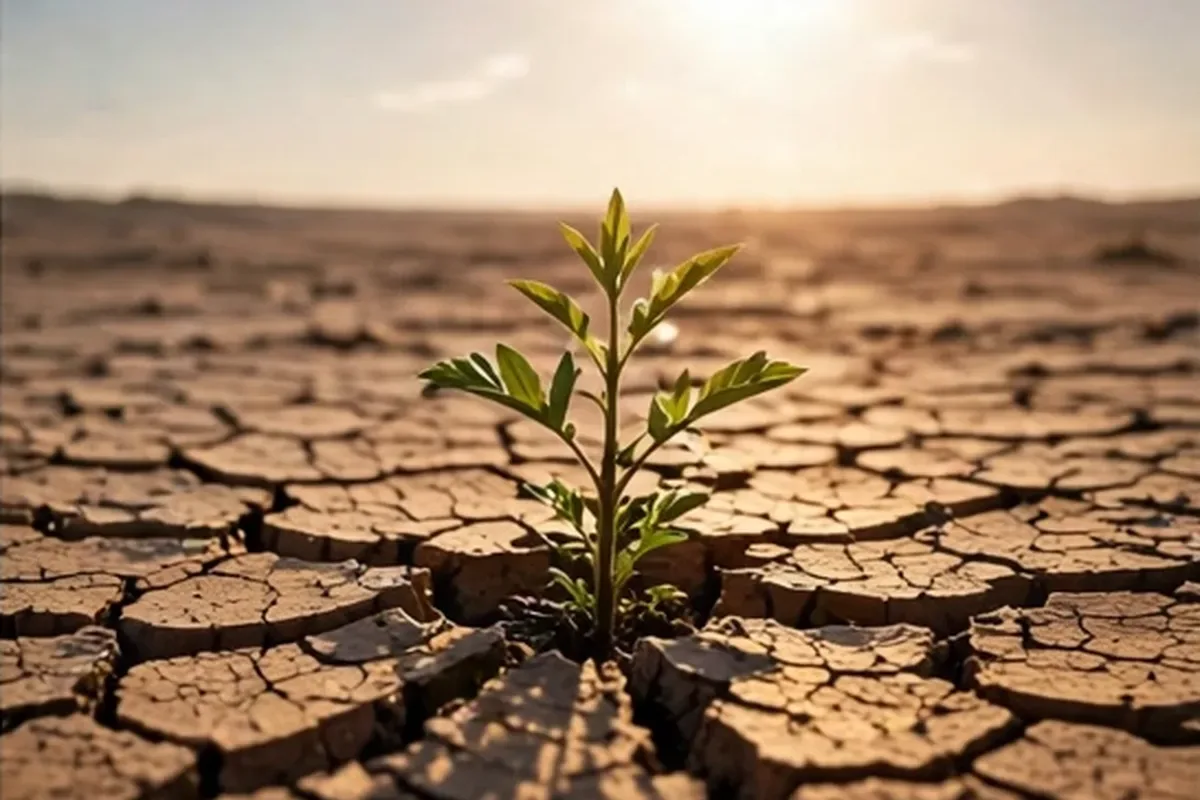
California, in a near future of drought, fire, and walled neighbourhoods. Behind one wall, a teenage girl named Lauren Olamina is quietly writing a new belief system for a world that is falling apart, and secretly planning for the day the wall fails.
At a glance
Genre: Dystopian science fiction | Author: Octavia E. Butler | Year: 1993 | Goodreads rating: 4.18
Check it on Amazon
Octavia E. Butler published Parable of the Sower in 1993, and it reads today like it was written last year. Lauren lives with hyperempathy, a condition that makes her feel the pain and pleasure of everyone around her. In a violent world, that gift is also a curse, and Butler never lets you forget the cost.
When the attack Lauren always feared finally comes, the book becomes a road novel. Lauren walks north through a burning state, gathering lost people as she goes, teaching them her verses about change. God is Change, she writes. It is the one rule her world never breaks.
This is the most thought provoking book on this list. It asks what communities owe each other, what faith is for, and how a young woman builds hope out of almost nothing.
Start it for the survival story. Stay for Lauren.
The adults around Melanie give the book its ache. Her teacher, Helen Justineau, sees a child where the scientist Caroline Caldwell sees a specimen and a cure, and Sergeant Parks sees a danger that must never be underestimated. Carey puts all three views in the same desperate convoy and lets them collide. By the final act you understand every one of them, which is why the choices at the end hurt so much and satisfy so completely.
7. The Girl with All the Gifts by M. R. Carey
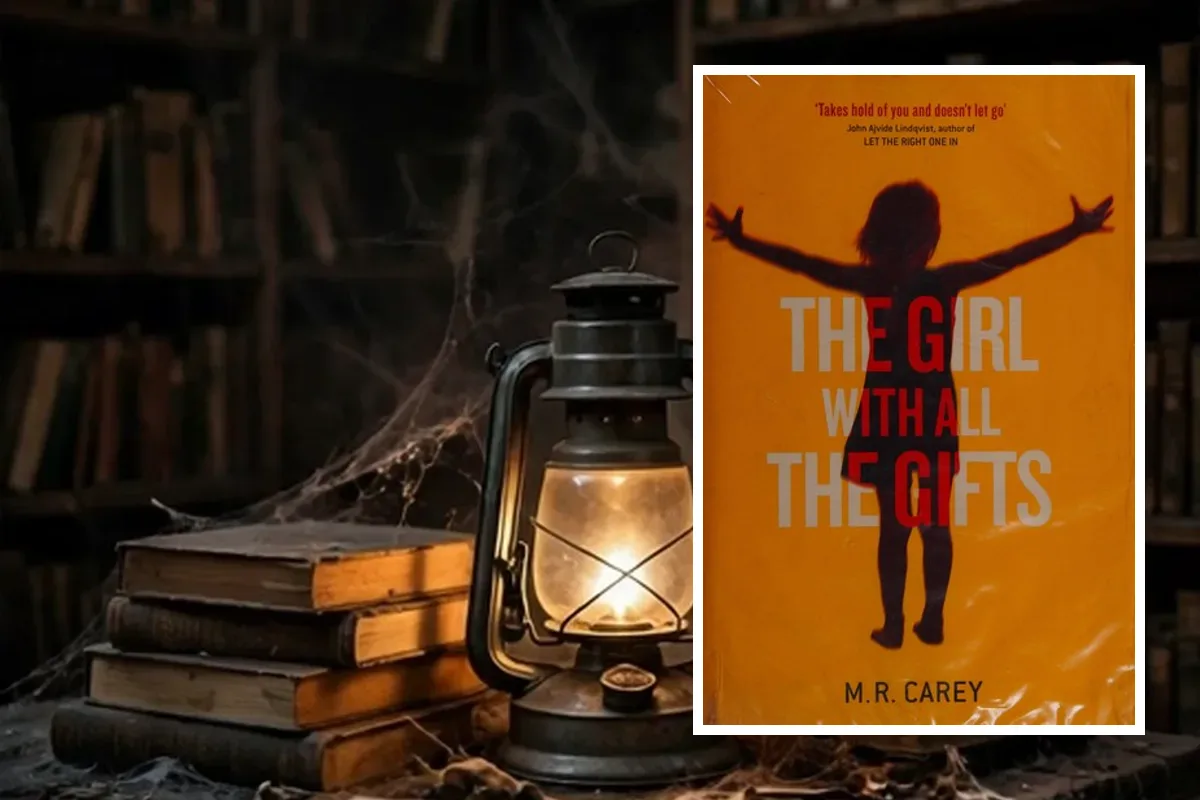
Every school day, soldiers strap a young girl named Melanie into a wheelchair, wheel her to a classroom, and teach her lessons while keeping their distance. Melanie loves school. She loves her teacher most of all. She does not fully understand why everyone is afraid of her.
At a glance
Genre: Post apocalyptic horror thriller | Author: M. R. Carey | Year: 2014 | Goodreads rating: 3.95
Check it on Amazon
M. R. Carey published The Girl with All the Gifts in 2014, and its opening chapters are a masterclass in slow reveal. A fungal infection has turned most of humanity into fast, hungry creatures. Melanie and her classmates are something new, children who can think, learn, and feel, and the scientists studying them are running out of time and options.
When the base falls, the book explodes into a journey across a ruined England. A teacher, a scientist, a soldier, and one extraordinary girl, each protecting a different idea of what Melanie is.
The ending divides readers in the best way. People argue about it for days. That argument is proof of how completely Carey makes you care about a character who could end the human story, or save it.
Finish this list here, and you will be hunting for someone to talk to about that final page.
A simple reading order
Station Eleven for the heartNext
Wool for pure paceLast
The Stand when you are ready to commit
Seven books, seven different ends of the world. A stage in a forest clearing. A cart on an empty road. A girl in a classroom who does not know why the soldiers fear her.
What they share is simpler than any plot. Every one of them is about what people refuse to give up. A song. A son. A story told in a dozen voices. A single green idea about change.
Start with the one that called to you while you read this list. Trust that instinct. These books have been finding their readers for decades, and they are very good at keeping them up all night.

John Smith is the founder and CEO of Karaoke Machines Guru. He is a karaoke tutor and karaoke enthusiast and has been passionate about karaoke since he was a child. He also writes about karaoke-related tips, guides, and product reviews on this website.
He overlooks the whole website and makes sure that everything is running smoothly. Learn more!