
Space opera is the biggest kind of science fiction, and the best of it makes you feel the size of the universe in your chest. Fleets cross star systems, empires rise and fall, and one person, often very small against that scale, has to make a choice that changes everything. These are stories built for long nights and long journeys, the kind where you look up from the page and feel surprised to still be sitting on Earth.
The seven books below span sixty years of the genre, from a desert planet ruled by spice and prophecy to a terraformed world where spiders build a civilization of their own. Some are famous enough to have films and television shows. Others are quieter, stranger, and just as powerful once you give them a chance. What they share is scope: each one opens a whole galaxy, fills it with cultures that feel real, and then puts characters you care about right in the middle of it.
You do not need to read them in order, and you do not need to be a lifelong science fiction fan to enjoy them. Pick the world that calls to you first, whether that is a military school in orbit, a pilgrimage to a monster made of thorns, or an ice planet where gender works differently from anything you know. Every book on this list rewards the reader who sticks with it, and every one of them ends with you wanting to talk about it with someone else. Keep this list close, start anywhere, and clear your weekend, because space opera has a way of taking over your evenings once it starts.
How to pick your first space opera
New to the genre? Start with Ender’s Game or Leviathan Wakes for fast pacing and clear stakes.
Love big ideas and strange worlds? Dune, Hyperion, and Children of Time will keep you thinking for days.
Want something bold and different? Ancillary Justice and The Left Hand of Darkness rewrite the rules of the genre itself.
1. Dune by Frank Herbert
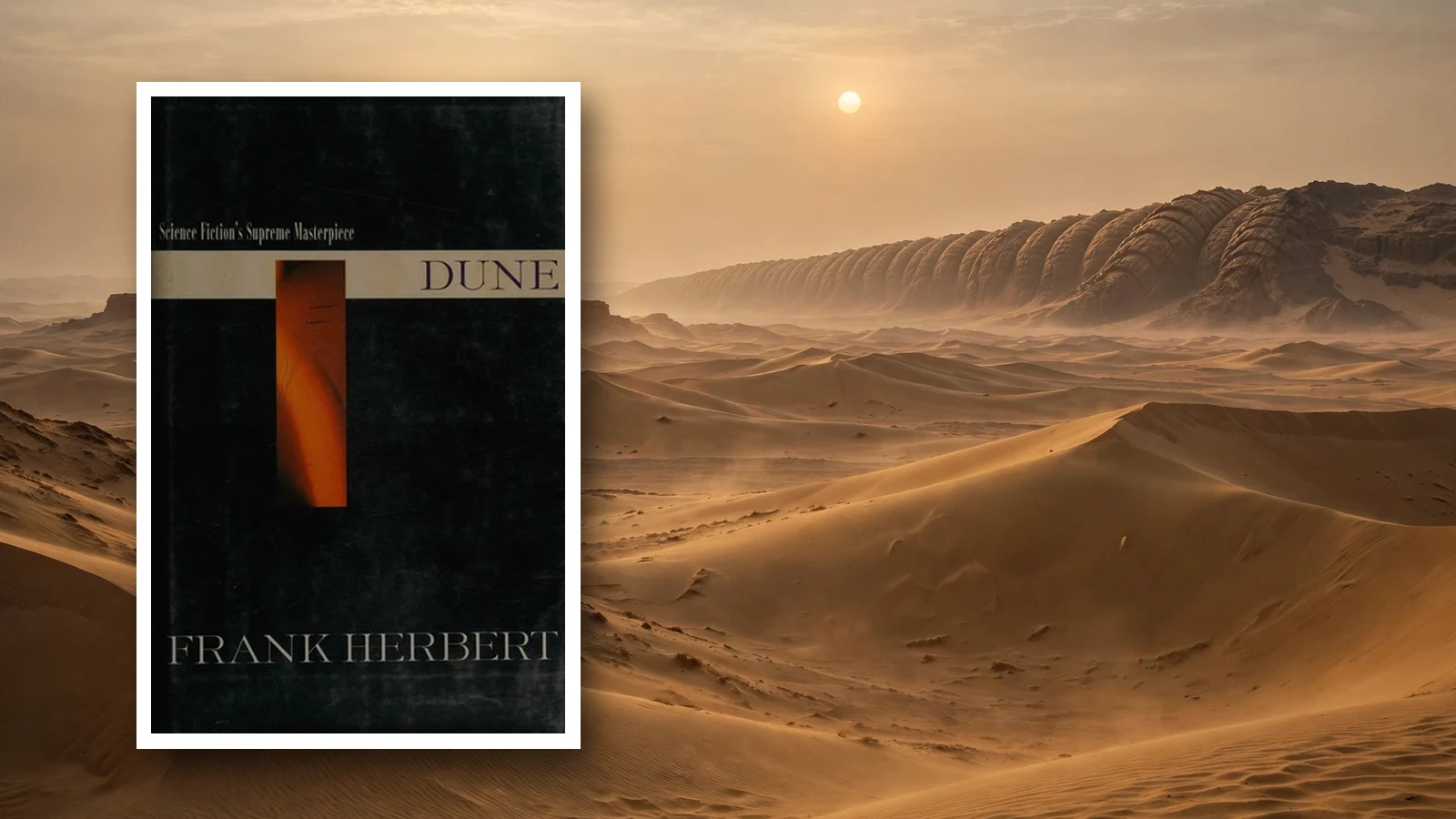
Paul Atreides is fifteen when his family takes control of Arrakis, a desert planet where water is precious and the spice melange is the most valuable substance in the universe. The posting looks like an honor. It is a trap, set by an emperor and a rival house, and when it springs, Paul and his mother Jessica must flee into the deep desert with almost nothing but their training and each other.
The Fremen, the desert people of Arrakis, take them in, and Paul begins to understand what the planet really is: an ecology shaped by giant sandworms, a culture built around survival, and a political prize that every great power wants to control. Herbert builds all of this slowly and carefully, through religion, economics, and the strange abilities of the Bene Gesserit sisterhood, so that the world feels less invented and more discovered.
That depth is why Dune has lasted sixty years and counting. It is an adventure, yes, with duels and escapes and a war for a planet, but it is also a warning about messiahs, about empires that promise salvation, and about what happens when one resource controls everything. Read it for the sandworms and stay for the ideas. Few science fiction novels ask this much of the reader, and few repay it so well.
2. Ender’s Game by Orson Scott Card
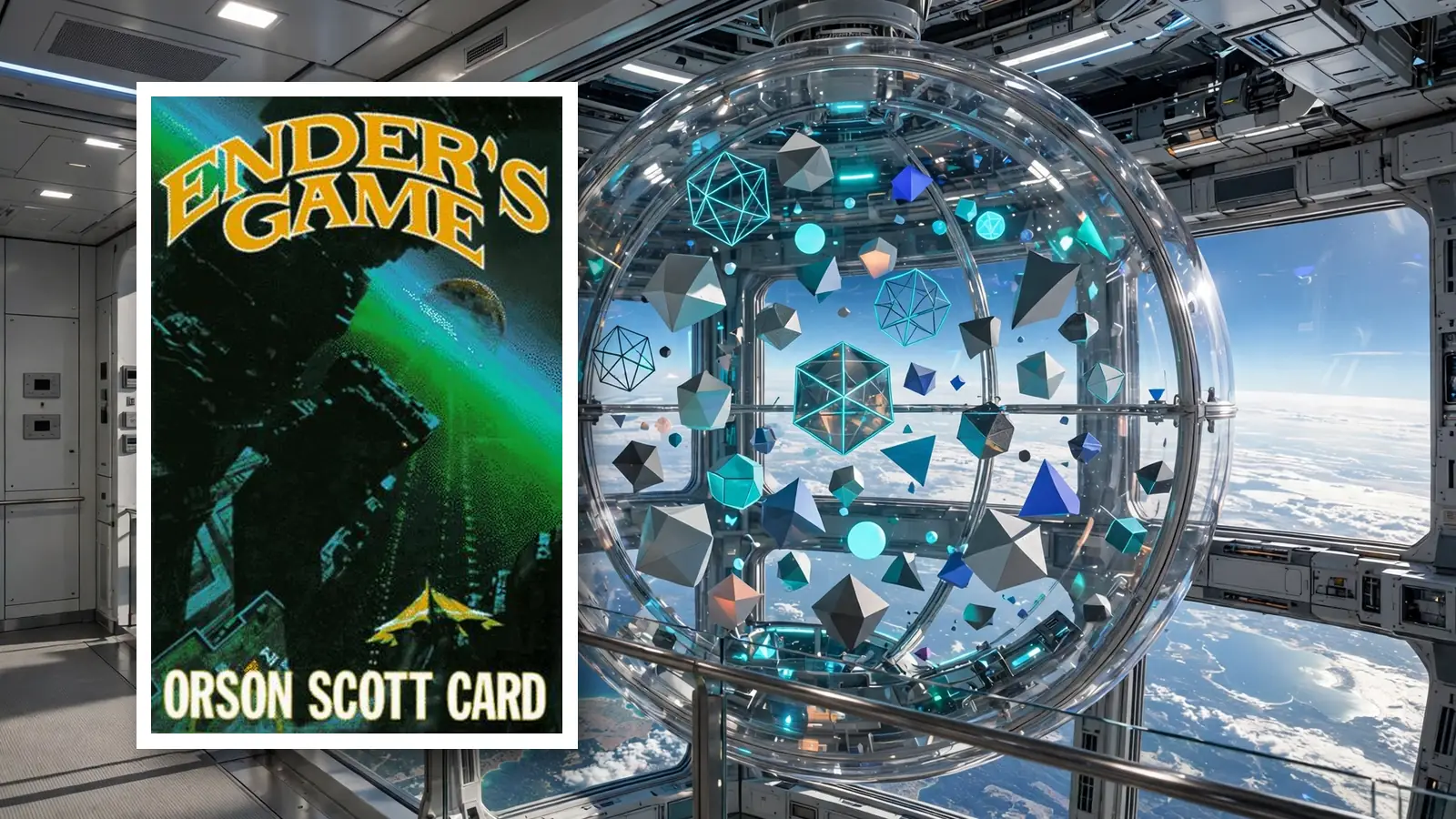
Earth has survived two wars against an insect-like alien enemy, and its leaders are convinced a third is coming. Their answer is Battle School, an orbiting station where gifted children are trained to command fleets, and the most gifted child of all is Andrew Wiggin, called Ender, a boy so brilliant and so lonely that adults keep pushing him further than any child should go.
The Battle Room is where the book grabs you first. Teams of children fight mock battles in zero gravity, floating through a vast chamber where up and down mean nothing, and Ender keeps winning by thinking sideways, breaking rules that everyone else treats as fixed. Card writes these games with the tension of a sports final, and each victory makes Ender more respected, more isolated, and more useful to the adults watching him.
Then the training turns real in a way Ender never expects, and the ending forces you to rethink everything that came before it. The book asks hard questions about using children as weapons, about empathy for an enemy, and about the cost of genius when adults refuse to take responsibility themselves. It is fast, clear, and almost impossible to put down, which is why new readers keep discovering it forty years on.
3. Hyperion by Dan Simmons
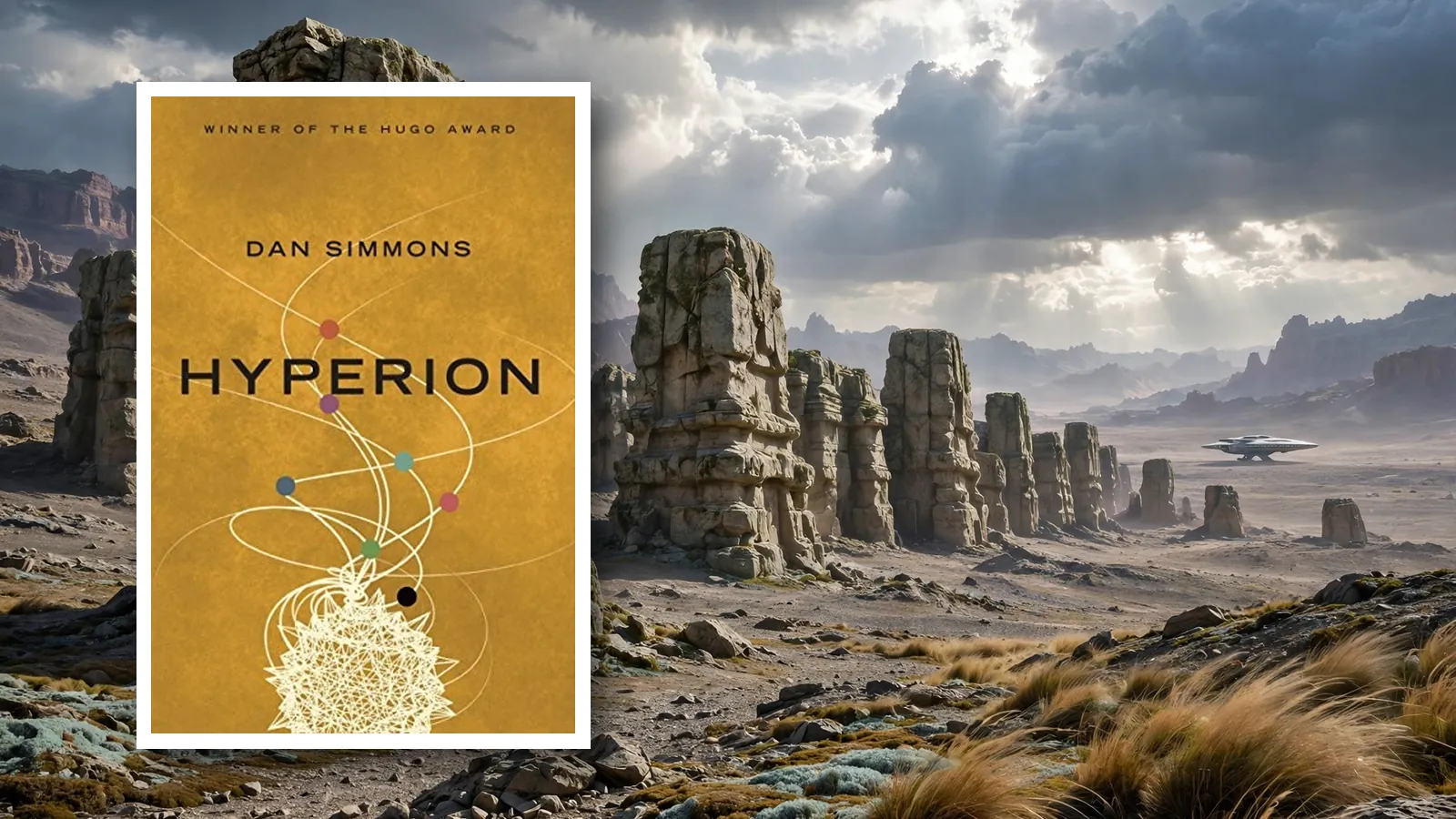
On the eve of a war that could end human civilization, seven pilgrims travel to the planet Hyperion to meet the Shrike, a creature of metal and thorns that moves through time and kills without mercy. Each pilgrim carries a secret and a desperate hope, and each believes the Shrike might grant a wish, or at least an answer, to the one who reaches the Time Tombs alive.
Simmons tells the story the way Chaucer told the Canterbury Tales, with each pilgrim narrating their own tale on the journey. A soldier tells a war story, a scholar tells a love story, a detective tells a noir mystery, and a poet tells a tragedy about art and cruelty. The genres keep shifting, but the dread keeps building, because every tale reveals another piece of a universe where machines, gods, and time itself are tangled together.
The ending is a cliffhanger, and readers should know that going in. Hyperion stops rather than finishes, and its sequel picks up the thread. Even so, the journey is worth it on its own terms: rich, strange, frightening, and full of ideas about faith, sacrifice, and what humanity becomes when it spreads across the stars. If you like stories that trust you to keep up, this one will reward you richly.
4. Leviathan Wakes by James S.A. Corey
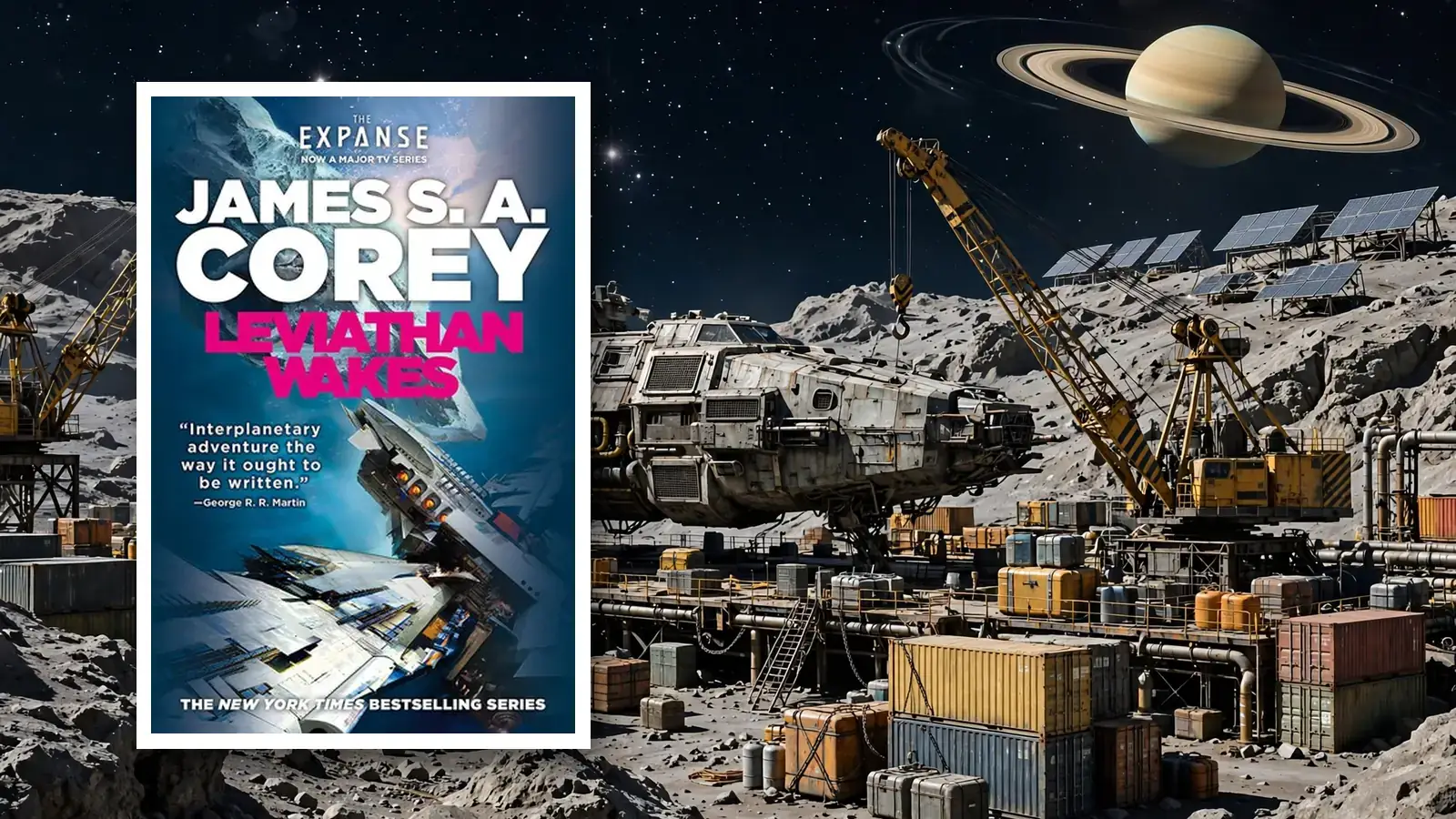
Humanity has colonized the solar system but not the stars, and that crowded, tense system is the stage for Leviathan Wakes. Jim Holden is an officer on an ice hauler running between Saturn’s rings and the Belt when his crew answers a distress call from a derelict ship, and suddenly they hold a secret that powerful people will kill to bury. On Ceres, detective Miller is looking for a missing girl, and his search leads him toward the same secret from the opposite direction.
Corey, the pen name of writers Daniel Abraham and Ty Franck, keeps the two storylines racing toward each other with thriller pacing. The Belt feels lived in, with its own slang, politics, and resentment of Earth and Mars, and the action scenes, ship battles, boarding actions, and chases through stations, have a weight and grit that make the danger feel physical. You can almost hear the metal groan.
Under the action sits a horror story about an alien protomolecule that rewrites life itself, and a political story about how fast fear turns into war when nobody trusts anyone. The book launched The Expanse, one of the great modern space opera series, and it works perfectly as a standalone introduction. Start here if you want space opera that moves like a blockbuster and thinks like a novel.
What makes space opera gripping?
A world big enough to get lost in, with cultures, politics, and history that feel real.
A personal stake inside the epic scale, so the fate of galaxies comes down to one choice.
A sense of wonder that survives the danger: new planets, strange life, and ideas that linger.
5. Ancillary Justice by Ann Leckie
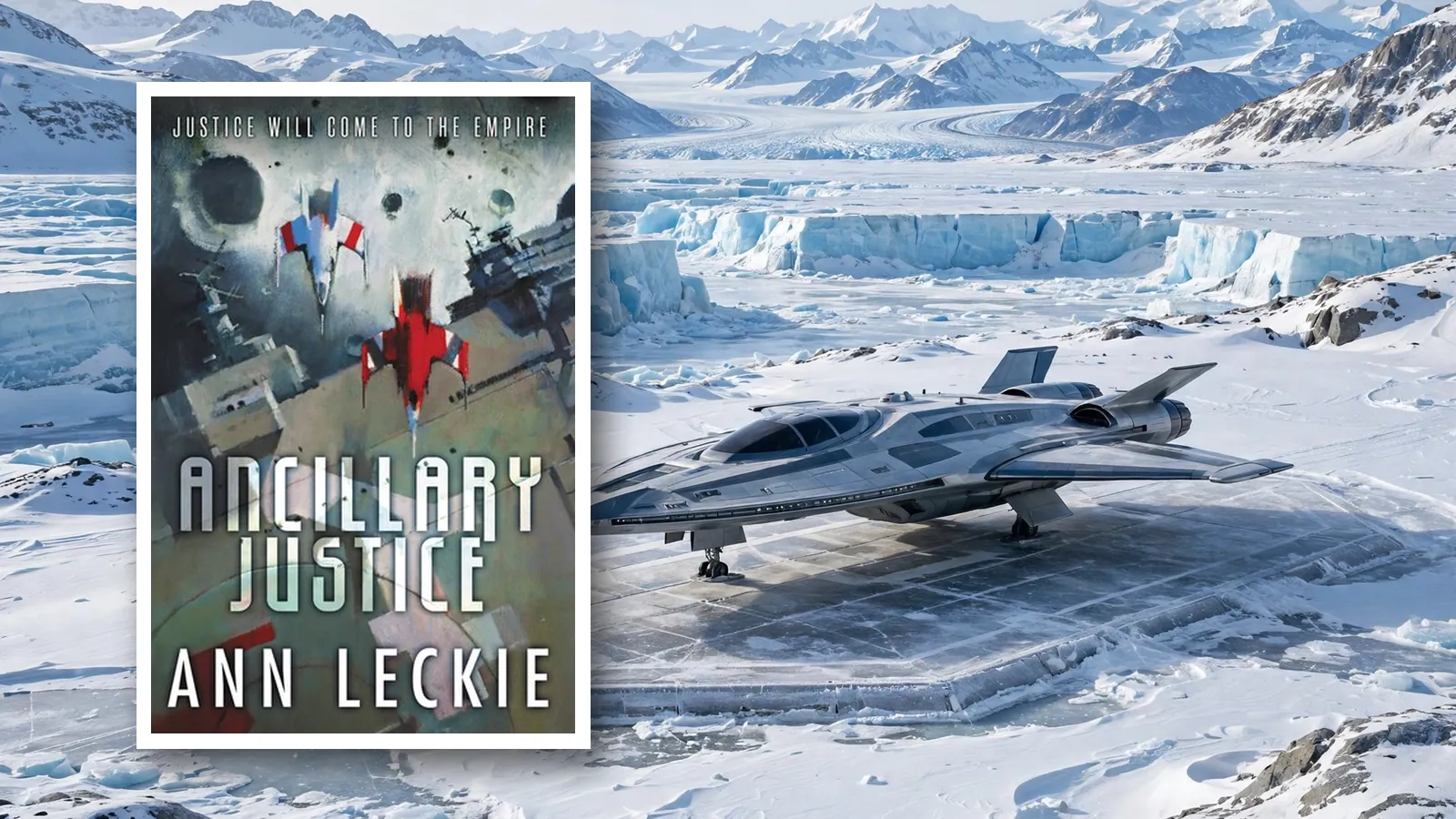
Breq was once a starship, the Justice of Toren, with an artificial mind spread across thousands of human bodies called ancillaries. Now, after an act of treachery, she is trapped in a single fragile body on a remote icy planet, with one purpose left: revenge against Anaander Mianaai, the many bodied Lord of the Radch, the empire that conquered the galaxy and made her what she was.
Leckie’s great idea is also her great gamble. Breq’s culture does not mark gender the way ours does, so she calls nearly everyone she meets by the same pronoun, and the reader must learn to see people the way Breq does, through rank, loyalty, and behavior rather than easy labels. It is disorienting at first, and then it becomes the point: a story about identity, obedience, and what remains of a person when everything that made them powerful is stripped away.
The plot moves between Breq’s present day hunt and her past life as a ship, and both timelines tighten toward the same confrontation. Ancillary Justice won the Hugo, the Nebula, and the Arthur C. Clarke Award in the same year, a rare sweep, and it earned them. It is smart, strange, and surprisingly emotional, and it changed what space opera was allowed to try.
6. The Left Hand of Darkness by Ursula K. Le Guin
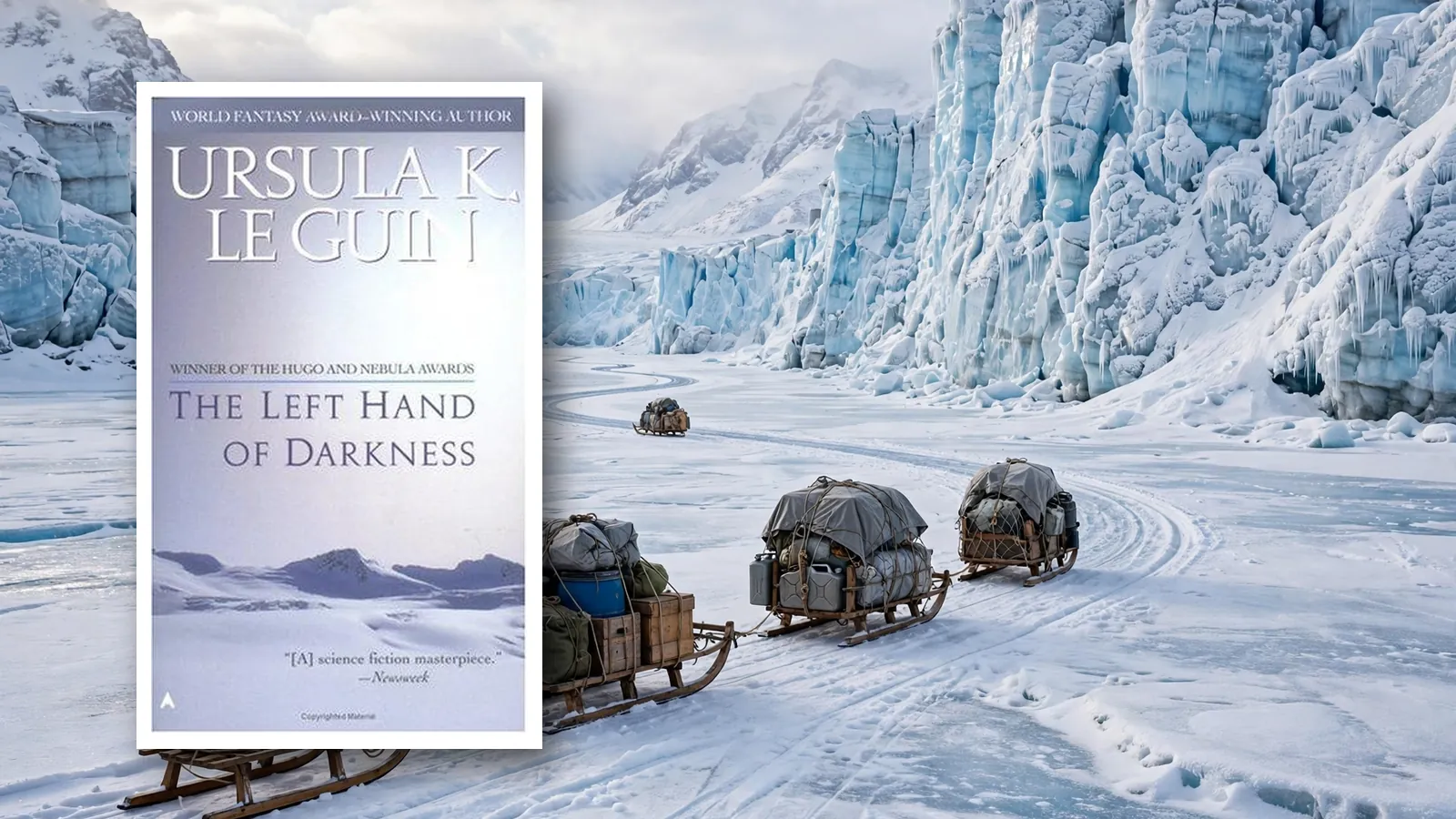
Genly Ai is an envoy from a league of human worlds, sent to the planet Gethen, called Winter, to invite its people to join. The Gethenians are ambisexual: most of the time they have no fixed gender, and for a few days each month they enter kemmer and may become male or female. Genly, raised with fixed ideas about gender, keeps misunderstanding the people he is supposed to befriend, and his mistakes nearly cost him everything.
Le Guin builds Gethen out of ice, politics, and myth. Two rival nations circle each other, religions shape daily life, and the cold itself becomes a character, beautiful and merciless. The heart of the book is the journey Genly takes across a frozen wilderness with Estraven, a Gethenian politician he first distrusts and then comes to rely on completely. Their trek is one of the great survival stories in science fiction, and also one of its great friendship stories.
This is the slowest book on this list, and the most rewarding for patient readers. Le Guin won the Hugo and Nebula Awards for it, and its questions about gender, loyalty, and what it means to truly understand another culture still feel fresh. Read it when you want science fiction that works like literature, quietly and then all at once.
7. Children of Time by Adrian Tchaikovsky
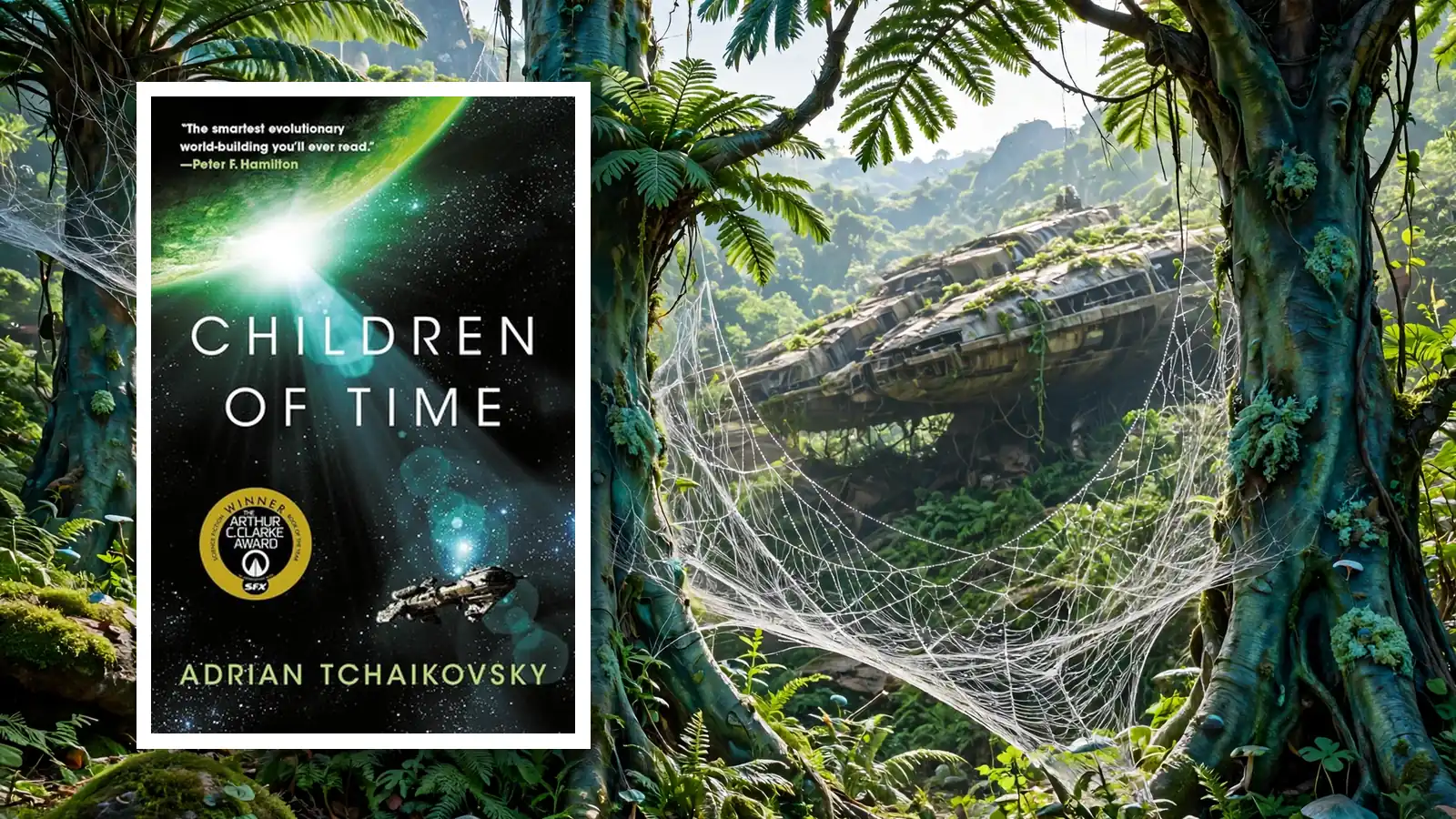
Long ago, humanity sent a terraforming ship to seed a new world with life, including a virus meant to uplift monkeys into a new intelligent species. The plan fails in one terrible way and succeeds in another: the monkeys never arrive, but the spiders on the planet get the uplift instead, and over thousands of years they build tools, cities, science, and a civilization utterly unlike our own.
Meanwhile, the last survivors of a dying Earth drift through space in an ark ship, looking for a home, and their path leads them to that same green world. Tchaikovsky cuts between the spiders, generation after generation, and the desperate humans, and the tension comes from knowing what neither side knows: that first contact is coming, and that both sides have good reasons to fear it.
The spider chapters are the triumph here. Tchaikovsky, who studied zoology, imagines how a spider society might actually think, communicate, and build, and the result is alien and believable at the same time. Children of Time won the Arthur C. Clarke Award, and it earns its reputation as one of the most original space operas of recent years. It will change how you look at the small creatures in your own garden.
Your space opera reading order
First timers: Ender’s Game, then Leviathan Wakes, then Dune.
Big idea readers: Hyperion, then Children of Time, then Dune again with fresh eyes.
Bold readers: Ancillary Justice and The Left Hand of Darkness, back to back, for two masterclasses in rethinking the genre.
The best space operas do two things at once, and these seven all manage it. They show you a universe so large it humbles you, and then they make you care about one person inside it, one pilot, one envoy, one child soldier, one ship trapped in a human body. That combination is why the genre endures: the wonder gets you in the door, and the characters keep you there long after the last page.
If you are new to space opera, do not worry about reading in publication order or finishing a whole series before you judge it. Pick one world, give it fifty pages, and see whether it pulls you forward. Ender’s Game and Leviathan Wakes move fast enough to hook almost anyone. Dune and Hyperion ask for more patience and give back more strangeness. Ancillary Justice and The Left Hand of Darkness ask you to rethink assumptions you did not know you had.
If you already love the genre, use this list to compare how it has changed across sixty years. Herbert wrote about ecology and empire in 1965. Le Guin wrote about gender and friendship in 1969. Simmons wrote about faith and time in 1989. Leckie, Corey, and Tchaikovsky write about identity, politics, and evolution for readers today. The tools change, the scale grows, but the core question stays the same: what will people do, and what will they become, when the whole galaxy is open to them?
Keep a notebook nearby if you like, or just keep the next book ready on your shelf. Space opera has a habit of turning one book into a series, one series into a reread, and one quiet evening into a very late night. Start with any title here, follow the thread that interests you most, and enjoy the journey across the galaxy. The stars, as these authors prove again and again, are only the beginning.

John Smith is the founder and CEO of Karaoke Machines Guru. He is a karaoke tutor and karaoke enthusiast and has been passionate about karaoke since he was a child. He also writes about karaoke-related tips, guides, and product reviews on this website.
He overlooks the whole website and makes sure that everything is running smoothly. Learn more!