
Some stories get better when you can see them. Others lose something vital on the way to the screen. The Hunger Games sits right in the middle of that tension. Suzanne Collins wrote a first person survival story that lives inside Katniss Everdeen’s head. The films had to turn that inner voice into images, sound, and spectacle. Sometimes the trade worked beautifully. Sometimes the book still wins by a mile.
Now the comparison has a new final chapter. Sunrise on the Reaping, the novel about a young Haymitch Abernathy and the 50th Hunger Games, was published in March 2025. Its film arrives in theatres on November 20, 2026. That date is confirmed by Lionsgate and by the British Board of Film Classification listing, so this is the moment to look at the whole series, book against film, and ask which version of Panem hits harder.
This guide goes through all five pairings in order. For each one, we look at what the film kept, what it cut, what it changed, and where the emotional punch lands. The ratings and runtimes come from IMDb listings and standard film references. The verdicts are simple. One version wins each round. The book usually wins on feeling. The film usually wins on scale.
Panem at a Glance: Five Books, Six Films
| Story | Book | Film | Director |
|---|---|---|---|
| The Hunger Games | 2008 | 2012 | Gary Ross |
| Catching Fire | 2009 | 2013 | Francis Lawrence |
| Mockingjay | 2010 | 2014 and 2015 | Francis Lawrence |
| The Ballad of Songbirds and Snakes | 2020 | 2023 | Francis Lawrence |
| Sunrise on the Reaping | 2025 | 2026 | Francis Lawrence |
Francis Lawrence directed every film after the first one. That steady hand is one reason the series feels like one long story.
1. The Hunger Games
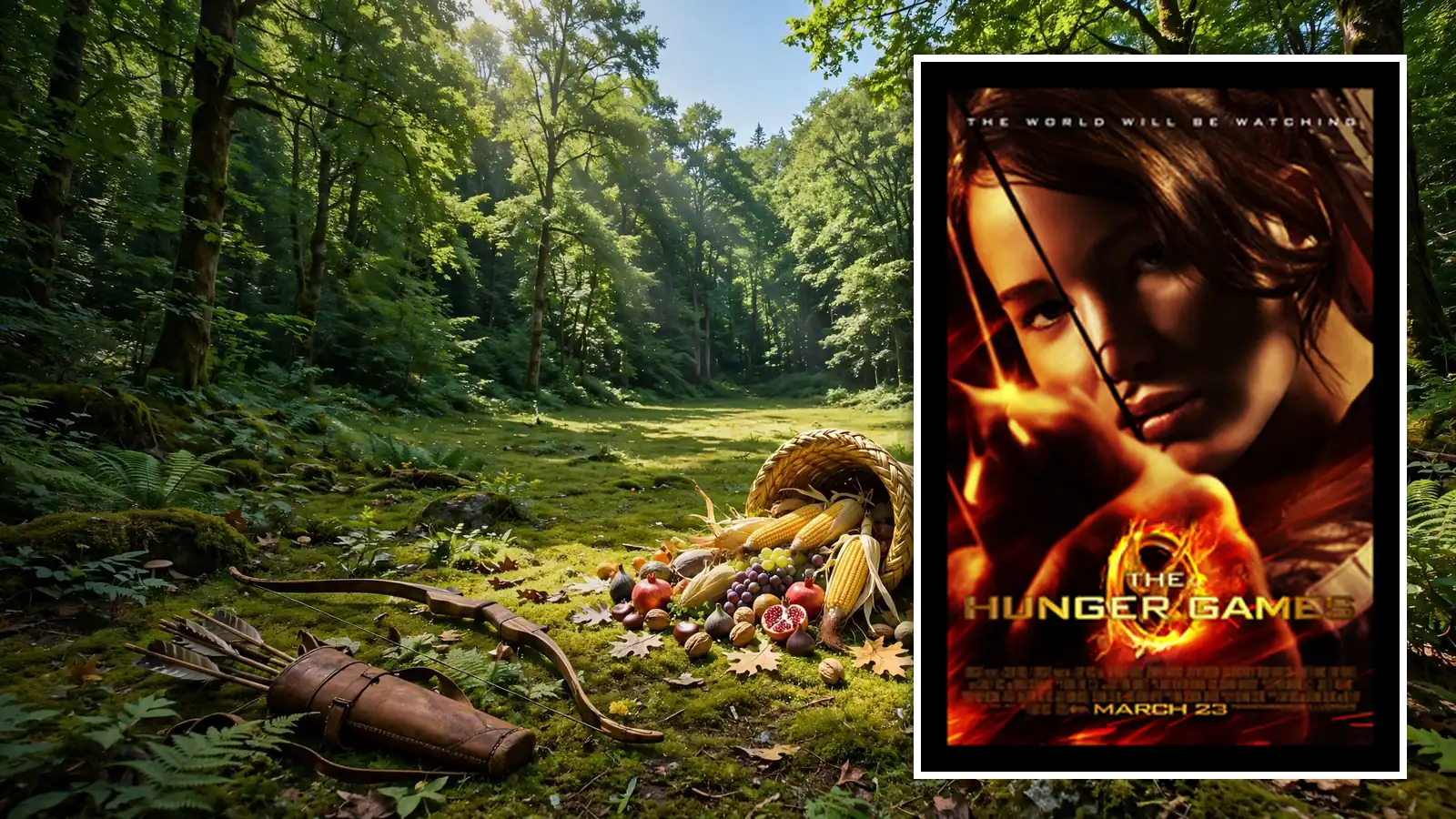
The book opens inside Katniss, and it never really leaves. Collins writes in present tense, so every choice feels urgent. We hear Katniss reason her way through hunger, fear, and loyalty in District 12. The film, directed by Gary Ross, cannot do that. It has to show us instead. It does it with a shaky camera, tight close ups, and a strong lead turn that carries the quiet scenes.
What the film keeps is the spine of the story. Prim is reaped. Katniss volunteers. Peeta joins her. The arena is brutal. The berries at the end are a small act of defiance that changes Panem. The training scenes, the interviews with Caesar Flickerman, and the Capitol costumes all look close to how readers pictured them. The film also keeps the friendship with Rue, and it gives her death the space it deserves.
At a glance
Genre: Dystopian action, adventure, sci-fi
IMDb rating: 7.2/10
Runtime: 142 minutes
Platform: Streaming, availability varies by region and service
Book year: 2008
Film year: 2012
Watch: The Hunger Games on IMDb
What the film cuts is mostly interior. Katniss thinks about her father, about the mines, and about what the Capitol took from her family. Those thoughts make her anger feel earned. On screen, we see the anger, but we get less of the history behind it. The film also softens some of the arena violence, which makes sense for a PG-13 audience, yet it takes a little of the book’s edge away.
The biggest change is the camera itself. The book stays with Katniss. The film sometimes cuts away to the Gamemakers, so we see the arena as a show being built. That choice adds tension. It also breaks the feeling of being trapped with Katniss, which is the book’s greatest strength. Verdict: the book hits harder. The film is a fine, tense adventure, but the novel’s voice is what makes the story stay with you.
2. Catching Fire
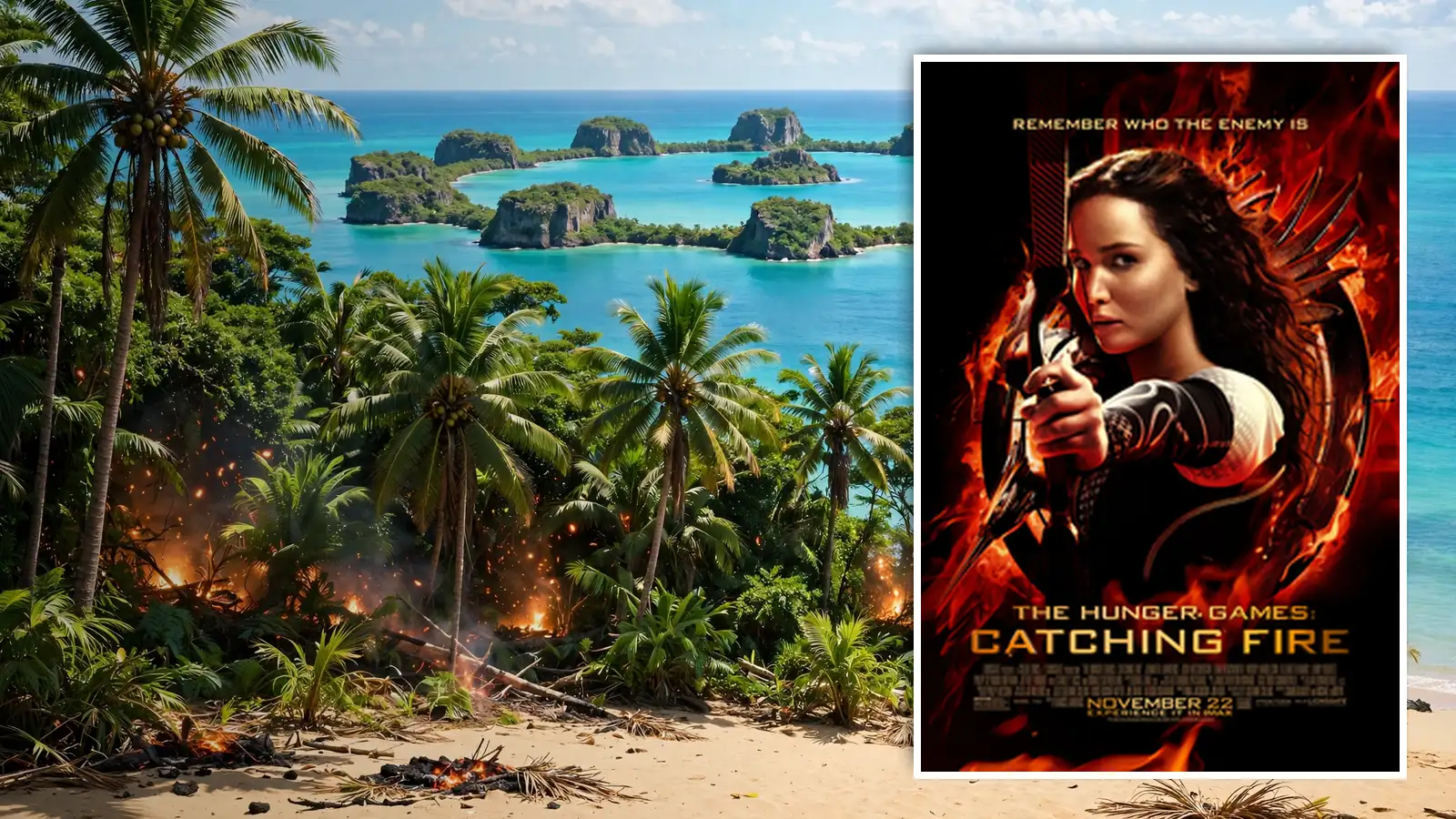
Catching Fire is where the series grows up. The book is about the cost of winning. Katniss and Peeta survived, but the Capitol will not let them rest. The Victory Tour becomes a slow tour of grief. Every district they visit is hurting, and every smile they fake makes the danger worse. The film, now directed by Francis Lawrence, keeps that slow dread and then lets the arena explode.
The film keeps the Quarter Quell twist, and it lands just as hard on screen. Past victors are forced back into the arena. That single rule turns the Games into a punishment for the people who already survived them. The film also keeps Finnick, Johanna, and the ticking clock arena. The arena itself is a triumph. The jungle, the beach, and the timed horrors feel bigger and stranger than the book’s descriptions.
At a glance
Genre: Dystopian action, adventure, sci-fi
IMDb rating: 7.5/10
Runtime: 146 minutes
Platform: Streaming, availability varies by region and service
Book year: 2009
Film year: 2013
Watch: Catching Fire on IMDb
What the film cuts is the slow middle. The book spends real time on the wedding, the preparations, and the fear in District 12. Gale’s whipping is shorter on screen, and the tension between Katniss, Peeta, and Gale gets less room to breathe. Some readers miss the way the book lets the threat build in small, ordinary moments before the arena takes over.
The film also changes the ending slightly in feel, though not in fact. The rescue is faster, and the reveal about the rebellion is sharper. The book ends on a colder note, with Katniss learning how much was kept from her. The film keeps that sting, but the pace softens it. Verdict: the film hits harder here. This is the one pairing where the bigger arena, the steadier camera, and the stronger sense of spectacle push the film ahead of the book. It is the highest rated film in the series for a reason.
3. Mockingjay
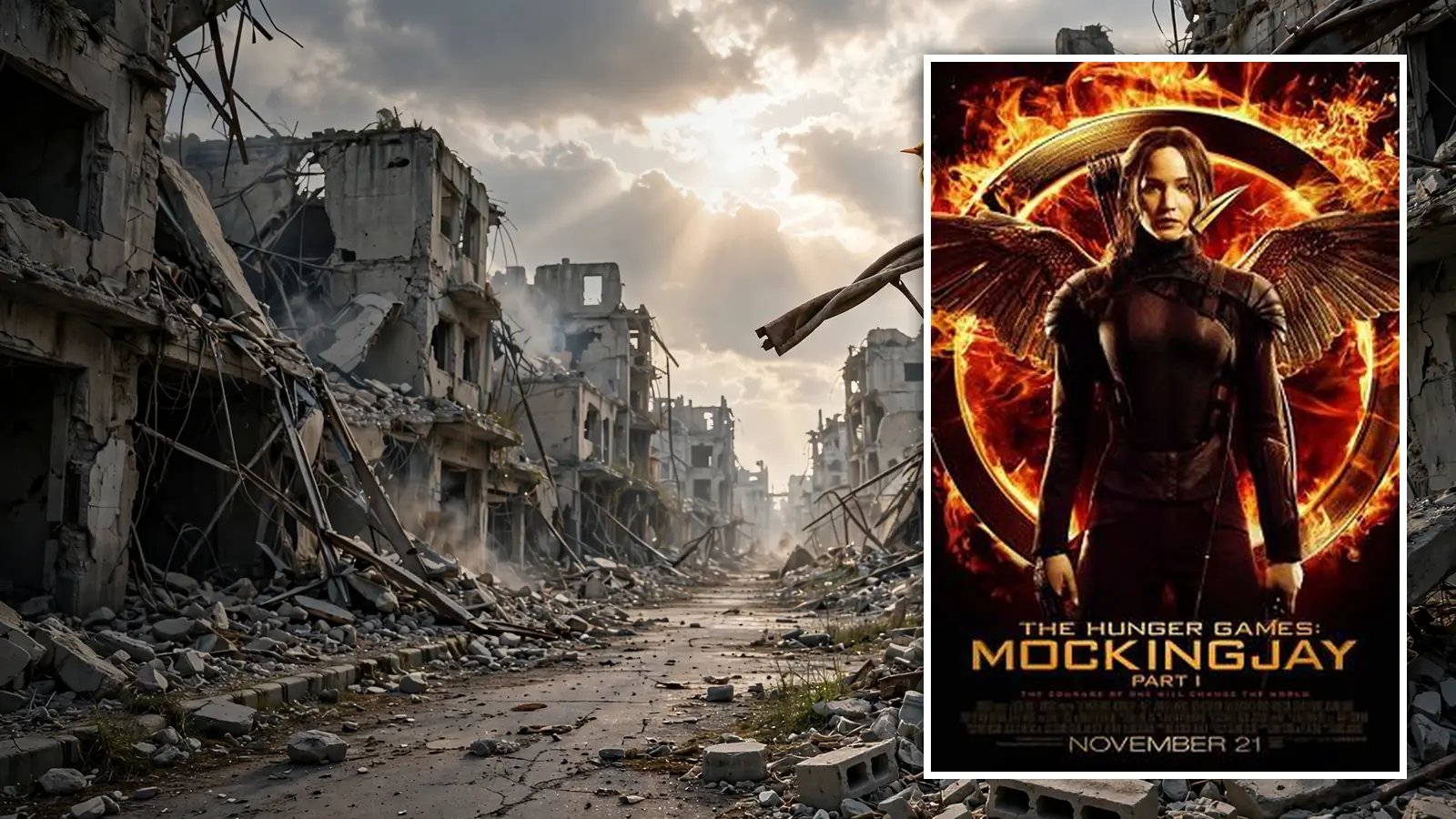
Mockingjay is the hardest book to film, and the split into two movies shows it. The novel is not about an arena. It is about propaganda, trauma, and a war that asks terrible questions. Katniss is broken for much of it. She cannot be the symbol the rebellion wants, and the book is honest about that. The films, Part 1 in 2014 and Part 2 in 2015, had to turn that inner damage into something watchable.
Part 1 keeps the heart of the book. District 13 feels cold, strict, and grey. The propos, the short propaganda films Katniss records, are a smart screen invention that fits the book’s theme. When Katniss sings, the moment works. The film also keeps the slow reveal that President Coin may be just as dangerous as President Snow. That is the book’s most unsettling idea, and the film does not shy away from it.
At a glance
Genre: Dystopian action, adventure, sci-fi
IMDb rating: 6.6/10 (Part 1 and Part 2)
Runtime: 123 minutes (Part 1), 137 minutes (Part 2)
Platform: Streaming, availability varies by region and service
Book year: 2010
Film year: 2014 and 2015
Watch: Mockingjay Part 2 on IMDb
What the films cut, or stretch thin, is the book’s moral weight. The split means Part 1 can feel slow, because it is mostly setup. Part 2 has the action, but the ending rushes past the hardest choices. The book lingers on the bombing that kills Prim, and on Katniss deciding who she can still trust. The film shows the horror, yet it moves on faster than the novel does.
The biggest change is the shape. One book became two films, and the story sags in the middle because of it. The book’s power comes from its bleak, steady build toward a choice no one can feel good about. The films keep the events, but the pause between them weakens the punch. Verdict: the book hits harder, clearly. Mockingjay is a novel about what war does to a person. The films show the war. Only the book makes you sit inside it.
Which Version Wins So Far?
Book wins: The Hunger Games, Mockingjay
Film wins: Catching Fire
Why the pattern holds: the books win when the story lives in a character’s head. The films win when the story needs a place you can see, like the clock arena.
Highest IMDb rating in the series: Catching Fire at 7.5/10, ahead of the first film at 7.2/10.
Lowest rated pair: Mockingjay, with both parts at 6.6/10, which says more about the split than about the story.
4. The Ballad of Songbirds and Snakes
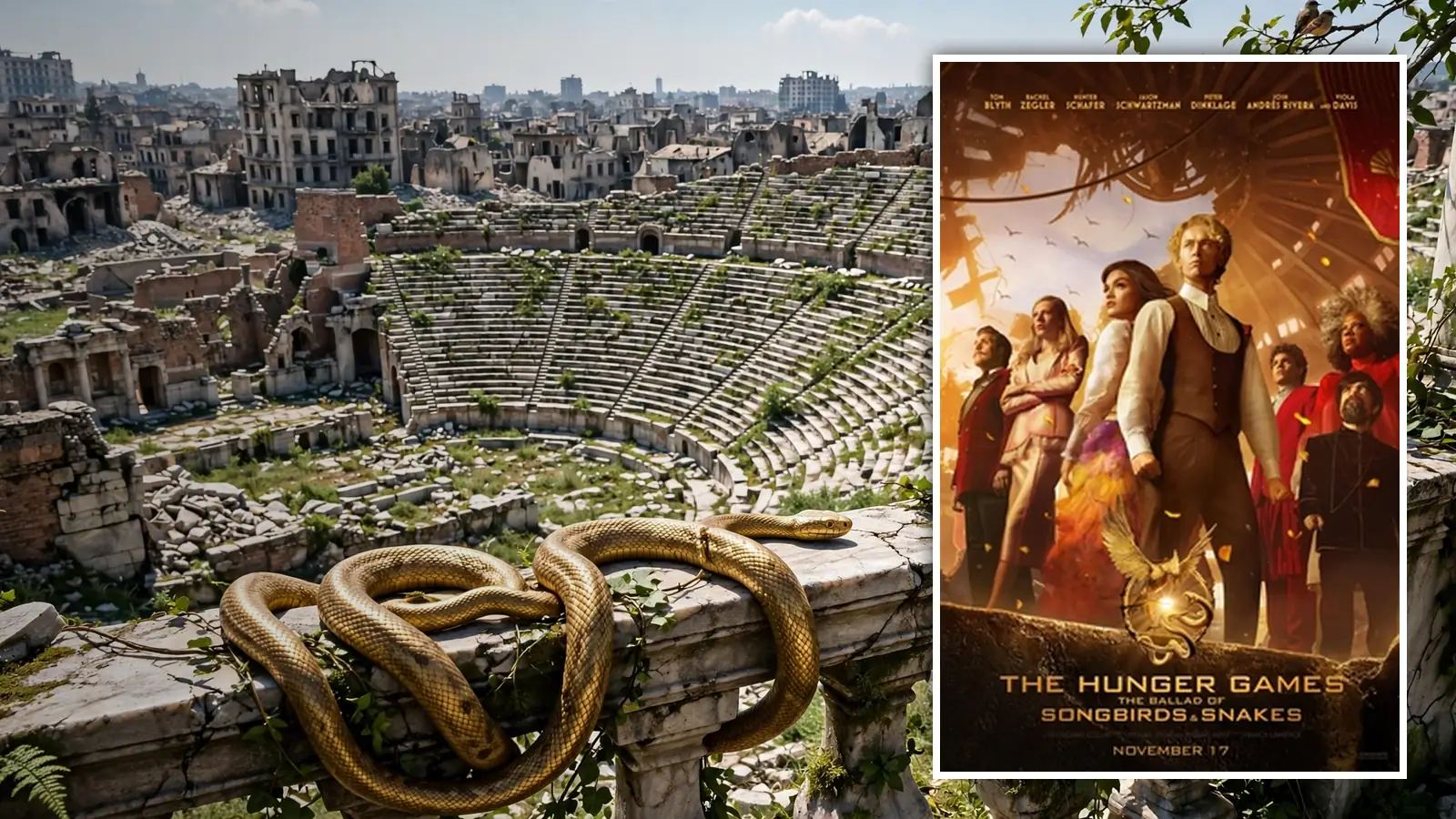
This prequel flips the series on its head. The hero is a young Coriolanus Snow, years before he becomes the tyrant of Panem. The book, published in 2020, is a slow study of a clever young man making small, selfish choices until he becomes someone cruel. The film, released in 2023, keeps that arc, and it gives the early Hunger Games a rough, unfinished feel that suits the story.
The film keeps the mentor idea, which is the book’s best invention. Young Snow mentors Lucy Gray Baird, the District 12 tribute, and their bond is part strategy and part real feeling. The film also keeps the songs. Lucy Gray sings, and the music carries the emotion that Snow cannot say out loud. The early arena, a broken stadium with no polish, looks right. This is Panem before the Games became a slick television show.
At a glance
Genre: Dystopian action, adventure, drama, sci-fi
IMDb rating: 6.6/10
Runtime: 157 minutes
Platform: Streaming, availability varies by region and service
Book year: 2020
Film year: 2023
What the film cuts is the book’s long middle and ending. The novel has three clear parts, and the last part, set in District 12 after the Games, is where Snow’s choices turn darkest. The film rushes that section. Sejanus, the friend who shows Snow a kinder path, gets less room. The ending, which the book leaves cold and ambiguous, feels faster and less chilling on screen.
The film also changes the balance. On screen, Lucy Gray is the bright centre, and the songs make her hard to look away from. In the book, Snow is the centre, and his thoughts are the story. That shift makes the film more fun to watch, but it softens the point. The book is a warning about how ordinary ambition curdles into cruelty. Verdict: the book hits harder. The film is a handsome prequel with great songs, yet the novel’s slow portrait of Snow is the version that stays with you.
5. Sunrise on the Reaping
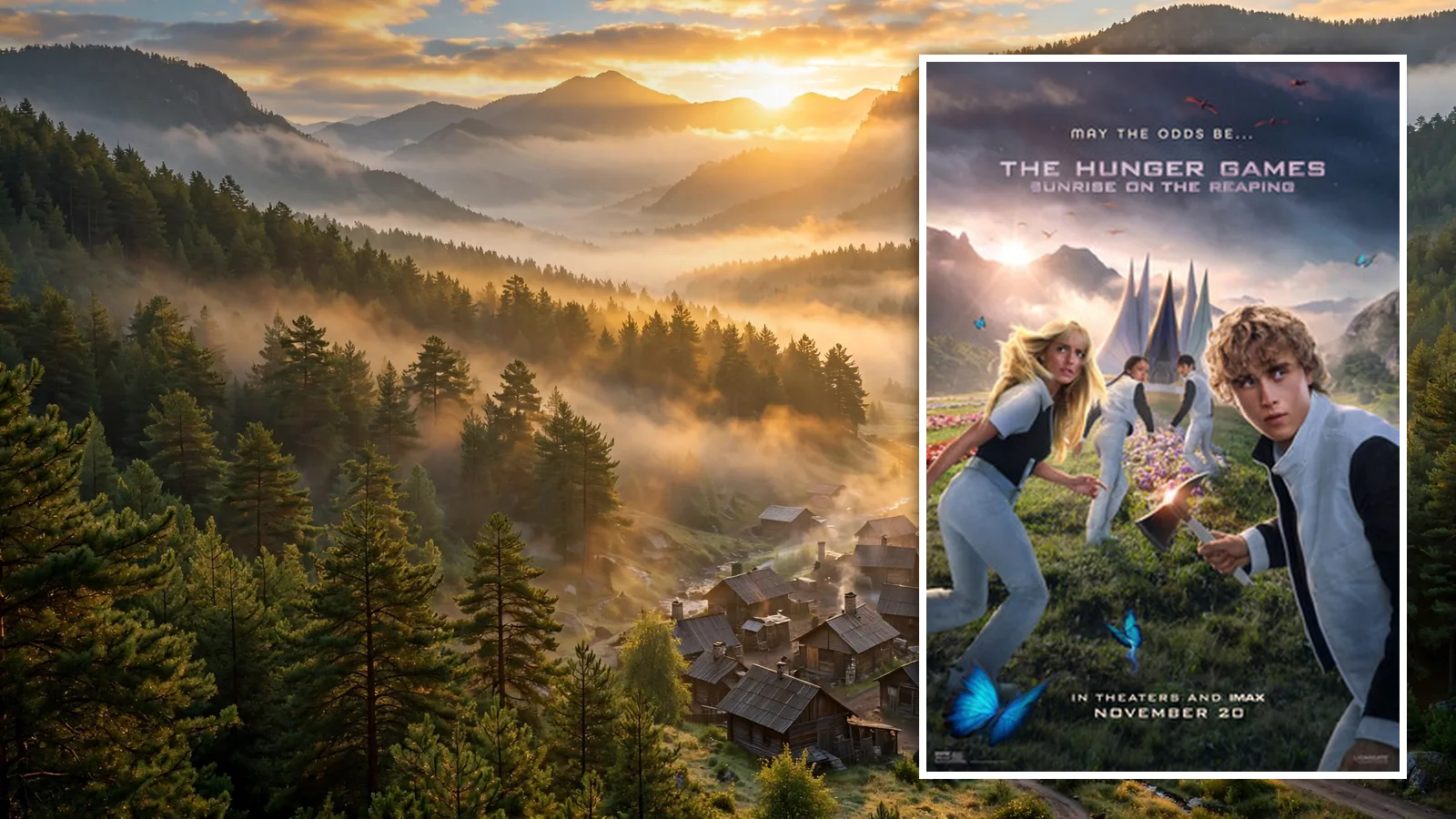
Sunrise on the Reaping is the story fans asked about for years. Haymitch Abernathy, the drunken mentor of the original trilogy, won the 50th Hunger Games when he was sixteen. The book, published on March 18, 2025, finally tells us how. It is set 24 years before Katniss, during the Second Quarter Quell, when twice as many tributes were sent into the arena. The stakes are higher because we already know what the win costs him.
The film, directed by Francis Lawrence, arrives in theatres on November 20, 2026. That date has held since Lionsgate announced the adaptation in June 2024, and the British Board of Film Classification lists the same date with a runtime of 158 minutes. Early access screenings in premium formats begin on November 18. The film is the longest in the series so far, which suggests the story is being given room to breathe.
At a glance
Genre: Dystopian action, adventure, fantasy, sci-fi
IMDb rating: Not yet rated (film unreleased at time of writing)
Runtime: 158 minutes (per BBFC listing; an IMDb technical listing gives 150 minutes)
Platform: In theatres November 20, 2026
Book year: 2025
Film year: 2026
What can we say about the comparison before the film opens? The book’s strength is Haymitch himself. He is clever, funny, and reckless, and the novel lets us love him before it shows us what the Capitol does to him. The film will have to carry that turn. Joseph Zada plays the young Haymitch, and the cast includes familiar faces returning in flash forward scenes, with Jennifer Lawrence and Josh Hutcherson set to appear as Katniss and Peeta.
The book also gives the arena a sharper edge. Forty eight tributes enter the 50th Games. That scale is hard to film without losing the people inside it. The novel can jump between tributes and still keep Haymitch at the centre. The film, at 158 minutes, has the time to try. If it keeps the book’s ending, the part where victory feels like a punishment, it could be the rare prequel that hurts as much as the original. Verdict: too early to call, but the book sets a high bar. Read it before November 20, then judge the film on whether it keeps Haymitch’s heartbreak intact.
How to Read and Watch in Order
Story order: The Ballad of Songbirds and Snakes, then Sunrise on the Reaping, then The Hunger Games, Catching Fire, and Mockingjay.
Release order: The Hunger Games, Catching Fire, Mockingjay, The Ballad of Songbirds and Snakes, then Sunrise on the Reaping.
Best first time plan: release order. You meet Katniss first, then the prequels explain how Panem got that way.
Best rewatch plan: story order. Haymitch and Snow read very differently once you know where they end up.
Sunrise on the Reaping opens in theatres on November 20, 2026, with premium format early shows on November 18.
So which version of Panem hits harder? The score so far is clear. The books win three rounds out of four that we can judge. Catching Fire is the exception, the one time the film’s scale beats the novel’s voice. The Ballad of Songbirds and Snakes and Mockingjay both prove the same point in different ways. When a story lives in a character’s head, the page has an edge the screen cannot copy.
That does not mean the films are lesser. They gave Panem a look, a sound, and a cast that readers now carry in their heads. The arena, the Capitol, and the mockingjay pin all feel real because the films made them real. The books gave those images their meaning. The films gave them their shape. You need both to get the full story.
It is also worth watching how the series changes across the years. The first film is raw and shaky. The later films are smoother and more confident. The books change too. The early novels are tight survival stories. The prequels are slower and more political. Reading and watching them side by side shows how Collins and the filmmakers each learned to trust the audience more with every new entry.
If you are new to Panem, start with the first book, then watch the first film. You will feel the difference at once. If you are returning for Sunrise on the Reaping, read Haymitch’s book first. Then, on November 20, 2026, see whether the film keeps what matters most. The odds, as ever, are not in anyone’s favour. That is the point of the story, on the page and on the screen.

John Smith is the founder and CEO of Karaoke Machines Guru. He is a karaoke tutor and karaoke enthusiast and has been passionate about karaoke since he was a child. He also writes about karaoke-related tips, guides, and product reviews on this website.
He overlooks the whole website and makes sure that everything is running smoothly. Learn more!