

A great historical novel does something no history lesson can manage. It drops you into a street you have never walked, hands you a life you have never lived, and makes you care about people who never existed in a world that really did.
The seven books below span almost nine centuries, from a muddy English building site in the 1100s to a Korean family scattered across Japan in the 1900s. Some are sweeping family sagas that follow four generations. Some are tight, tense stories set in a single town, a single hotel, or a single street. All of them earned their place here the same way: readers keep pressing them into other readers hands, year after year.
You do not need to read them in order. Pick the era that calls to you, or the mood you are in, and start there. Every one of these novels stands on its own, and every one of them will change how you picture its time.
What makes a historical novel grip you rather than lecture you? The best ones never stop to show off their research. The details arrive the way life delivers them: through a meal, a uniform, a letter, a locked door. You learn the era because you are living in it, not because someone paused the story to explain it.
One note before you begin. These are big, absorbing reads, the kind that swallow an evening whole. Clear your schedule, make something warm to drink, and settle in.
Seven Books, Nine Centuries
One shelf, nearly 900 years of history. Follow the timeline to pick your era.
1. The Nightingale by Kristin Hannah
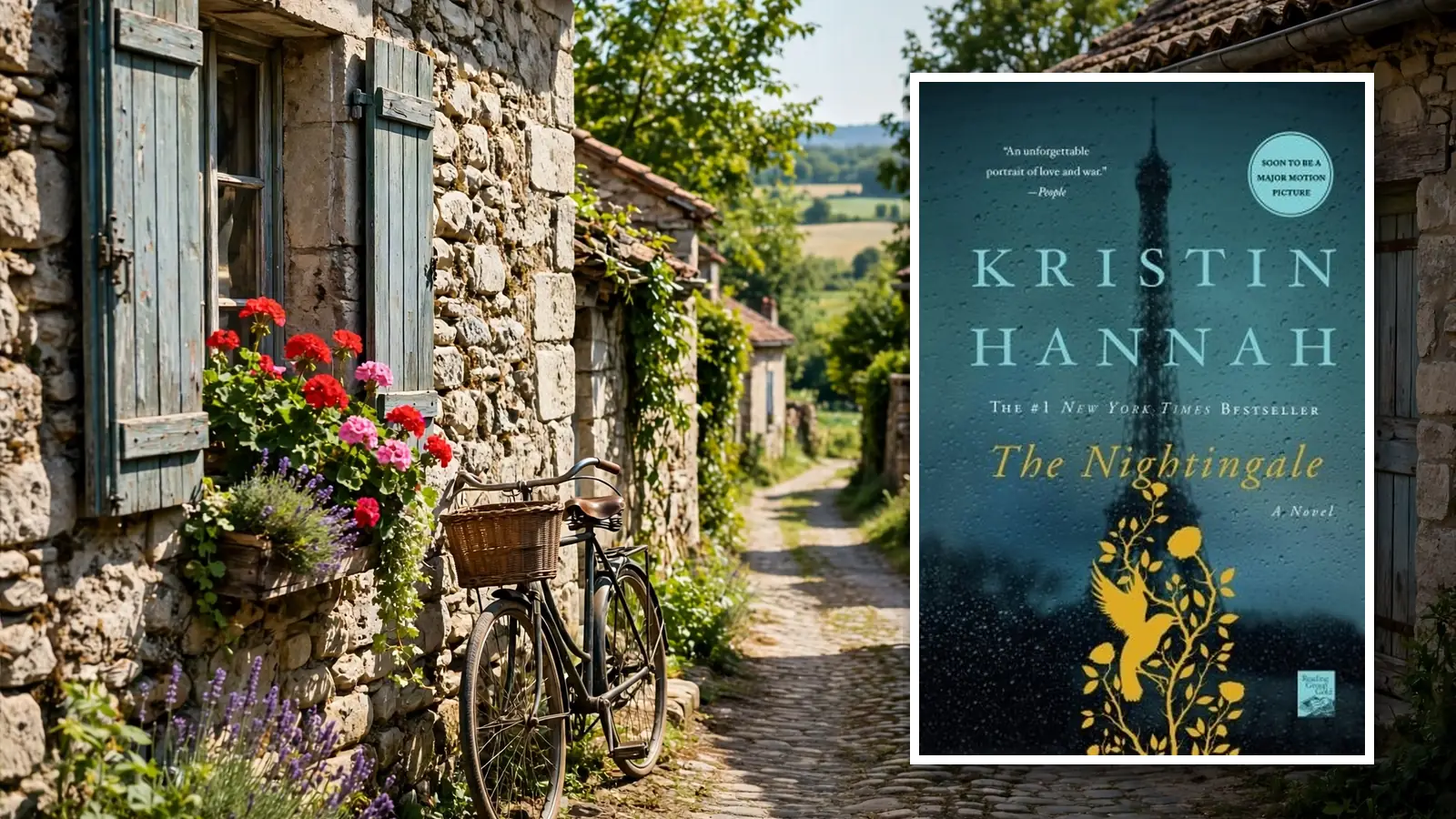
France, 1939. As German troops pour across the border, two sisters choose two very different kinds of courage. Vianne stays home in the village of Carriveau, where survival means feeding her daughter, enduring a German officer billeted in her house, and making one impossible choice after another. Isabelle, younger and fierier, runs toward the danger and joins the Resistance, guiding downed airmen over the Pyrenees.
Kristin Hannah tells the war through the women who are so often left out of it. The battles here are fought at kitchen tables and train stations, in whispered warnings and forged papers. The tension never lets up, because every act of kindness carries a price.
This is the book to hand to someone who says they do not read war novels. It is a story about sisters first and history second, and the ending lands like a held breath finally released. Few novels about occupied France feel this intimate, or this hard to put down.
The story is framed by an old woman in the present day, looking back on a past she has kept hidden for decades. That frame gives every chapter a quiet ache, because you know from the start that survival came at a cost. When the reveal finally comes, it reframes everything you thought you understood about both sisters, and it earns every tear it gets.
2. All the Light We Cannot See by Anthony Doerr
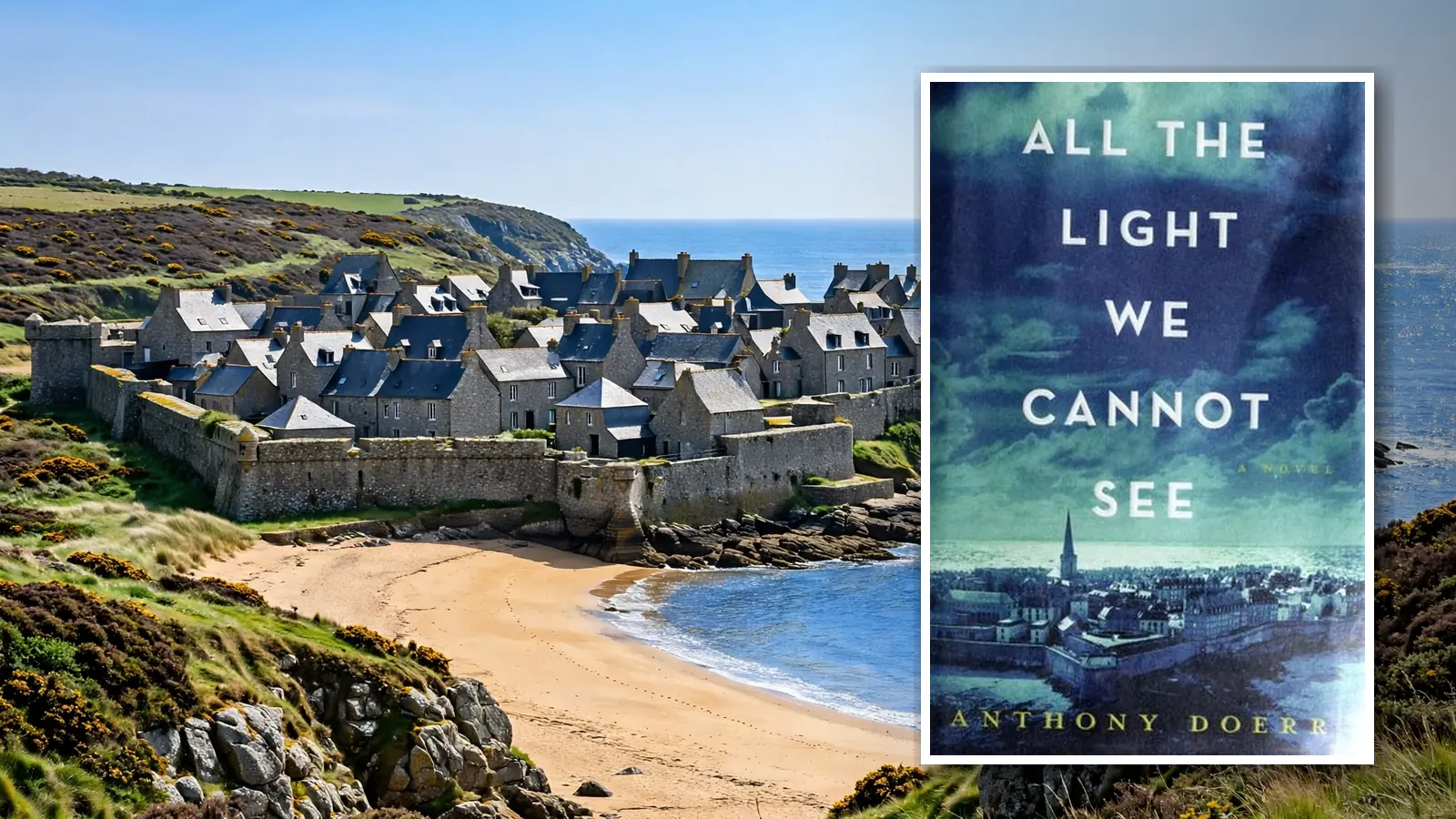
Two children on opposite sides of a war walk slowly toward each other, and toward the walled city of Saint-Malo on the coast of Brittany. Marie-Laure is a blind French girl who flees Paris with her father, a locksmith at the Museum of Natural History, carrying something the Nazis want very badly. Werner is a German orphan with a gift for radios, pulled from a coal mining town into a brutal military academy and then into the army.
Anthony Doerr writes in short, luminous chapters that jump between their lives, and the effect is quietly devastating. You see the war at human scale: a girl learning streets by touch, a boy learning that his talent serves a cause he cannot defend.
Winner of the Pulitzer Prize for Fiction, this is the most beautifully written book on this list. Read it slowly. It rewards patience with scenes you will remember for years, especially the final meeting in a city under siege.
Radios run through the whole novel like a thread. Werner repairs them, Marie-Laure listens to science broadcasts on one, and a mysterious jewel called the Sea of Flames gives the story its ticking clock. Doerr uses these small objects to ask a large question: in a war built on propaganda and orders, what does it mean to truly listen to another person?
3. Pachinko by Min Jin Lee
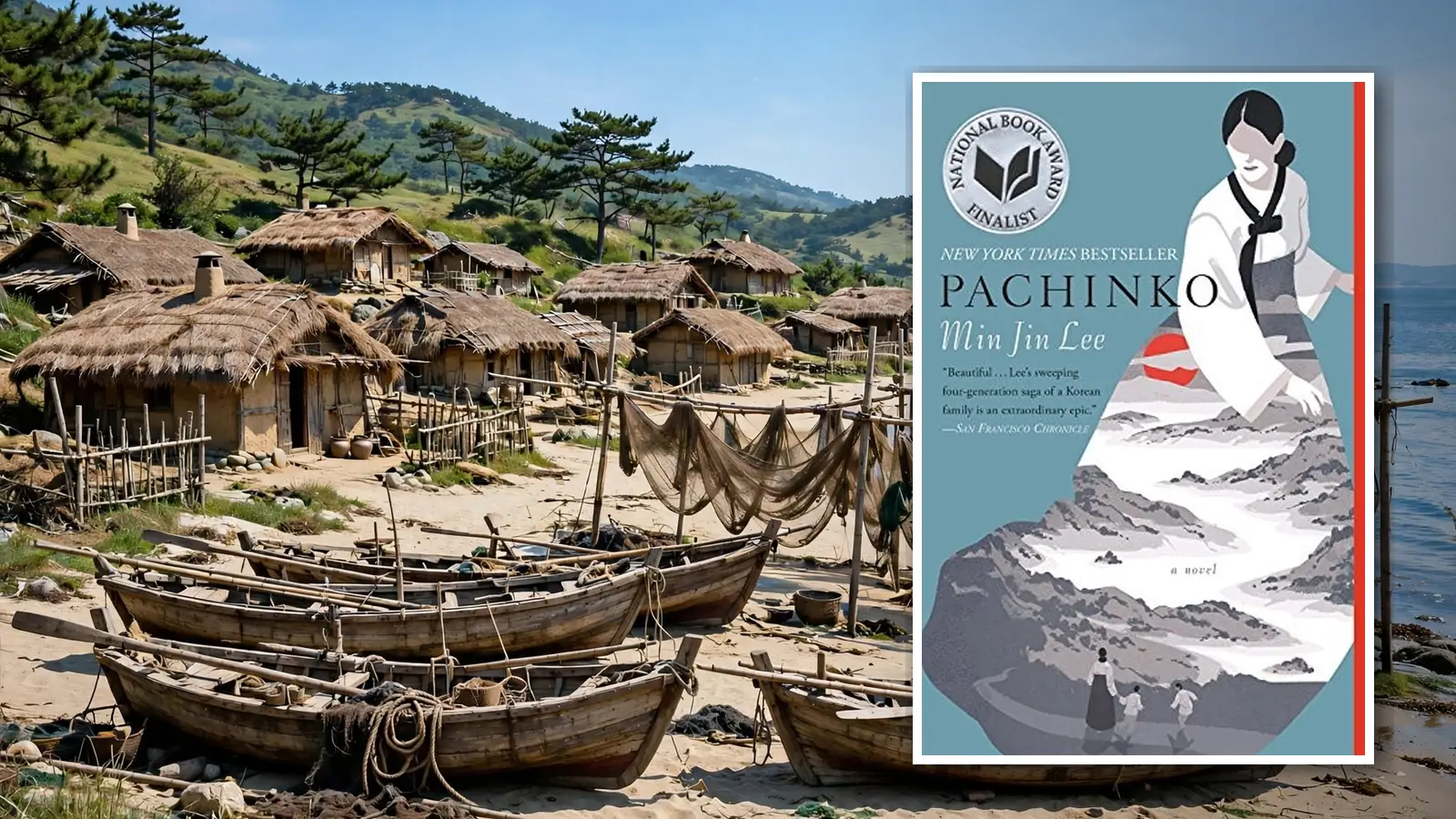
In a small fishing village in Korea in the early 1900s, a teenage girl named Sunja falls for a wealthy stranger, discovers she is pregnant, and learns he is married. Refusing to be bought, she accepts marriage from a gentle minister passing through on his way to Japan. That single decision echoes through four generations of her family.
Min Jin Lee follows Sunja and her children and grandchildren across eight decades of Korean and Japanese history: occupation, war, discrimination, and the daily grind of building a life in a country that treats you as second class. The family runs a pachinko parlor, a game of chance that becomes a perfect image for lives shaped by luck and stubbornness.
This is the longest view on the list, and the most moving. It is about what parents sacrifice so children can have a little more room than they did. Readers who love family sagas will finish it and immediately want to talk about it with someone.
Watch in particular how the younger generations wrestle with identity. Sunja’s sons make opposite choices: one chases respectability and hides who he is, the other builds a business in the margins and refuses to apologize for it. Their arguments about pride, passing, and belonging feel as current as any headline, which is exactly why the novel has found so many new readers.
4. The Book Thief by Markus Zusak
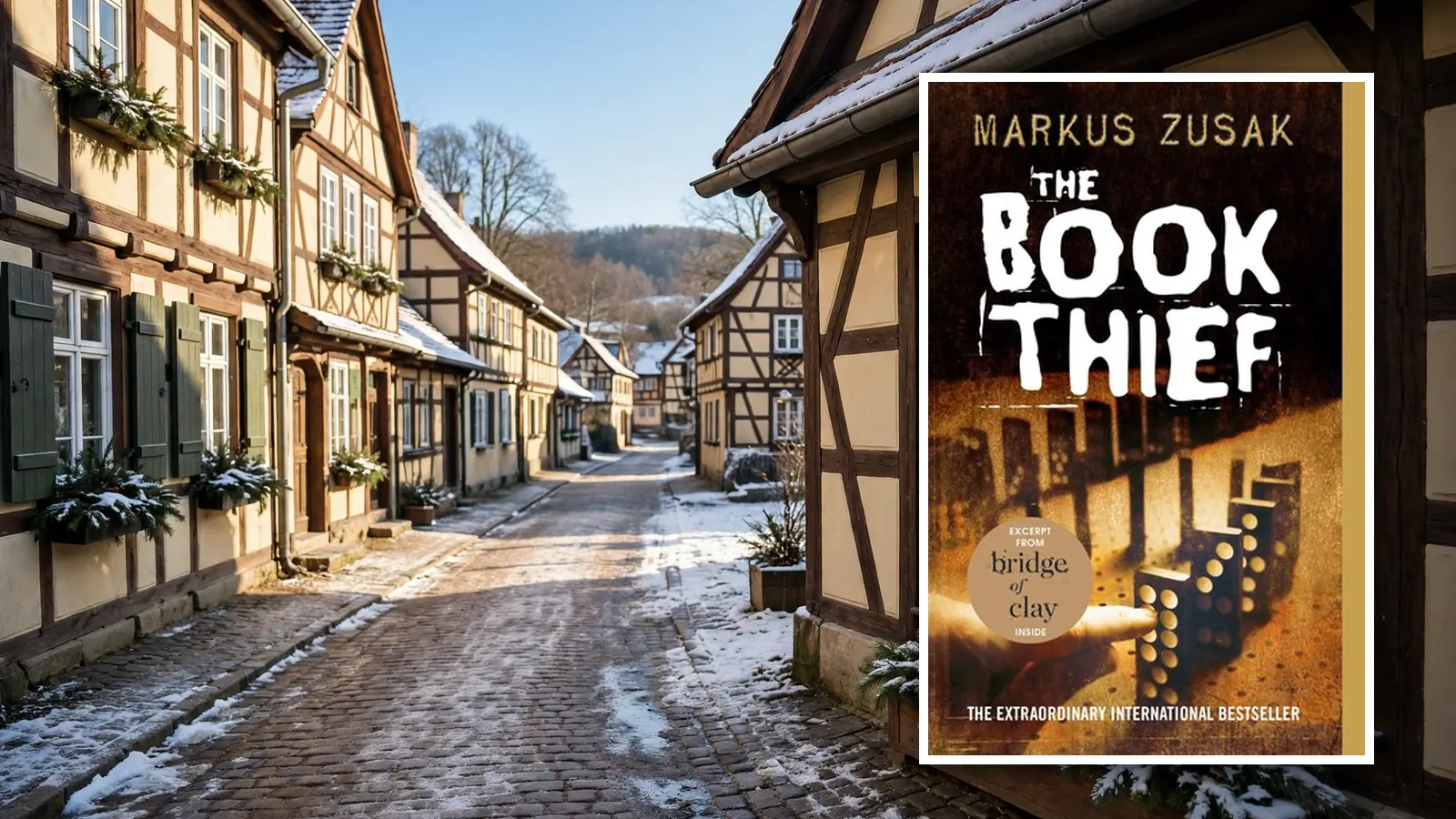
Death tells this story. That sounds like a gimmick, and it is anything but. From his strange, weary vantage point, Death watches a girl named Liesel arrive in the German town of Molching in 1939, foster parents in tow, brother already lost. She cannot read. By the end, books are the thing keeping her alive.
Liesel steals her first book from a graveside, then from Nazi bonfires and the mayor’s library. Her accordion playing foster father teaches her to read in a basement, and later the family hides a Jewish man in that same basement. Words become food, shelter, and rebellion all at once.
Markus Zusak writes sentences that stop you cold, then break your heart a page later. The narration by Death gives the horror a strange tenderness, because he is haunted by the humans he collects. If you read one book about the power of stories themselves, make it this one.
The people around Liesel are just as unforgettable as she is. Hans, her foster father, plays the accordion and paints kindness in small strokes. Rosa, her foster mother, swears like a storm and loves just as fiercely. Rudy, the boy next door with a crush on Jesse Owens, steals peaches and races down the street. You will grieve for this street as if you lived on it yourself.
Which Book Matches Your Mood?
Start with the feeling you want, and let the era follow.
- Cry and cheer in equal measure: The Nightingale, Pachinko
- Beautiful writing, slowly savored: All the Light We Cannot See, Wolf Hall
- A story about stories themselves: The Book Thief
- Warmth, wit, and a world in one building: A Gentleman in Moscow
- A huge, absorbing epic: The Pillars of the Earth
5. A Gentleman in Moscow by Amor Towles
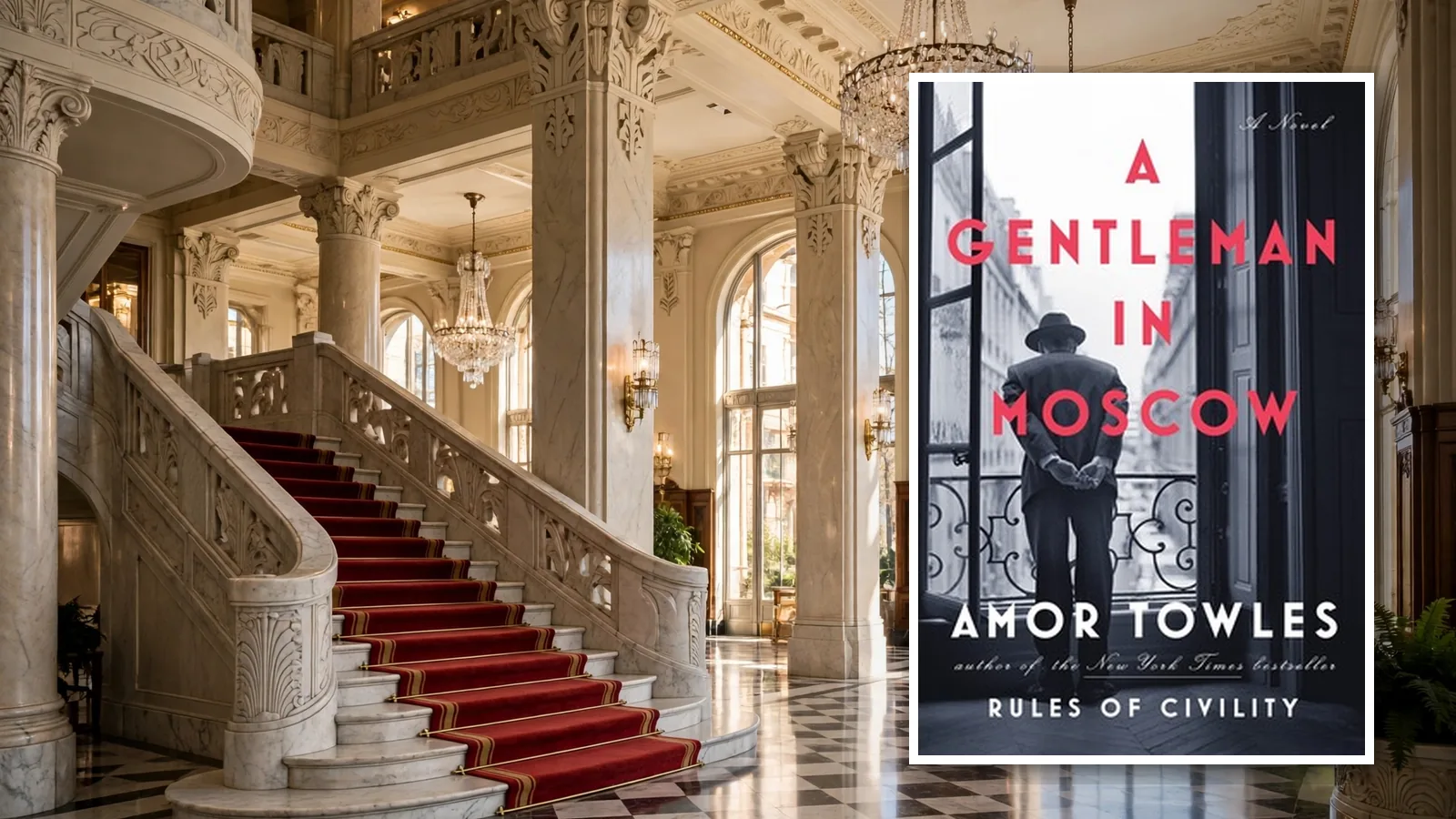
In 1922, a Bolshevik tribunal sentences Count Alexander Rostov to house arrest for life. His prison is the Metropol, the grandest hotel in Moscow, just across from the Kremlin. He trades a lavish suite for a cramped attic room and is told that if he ever steps outside, he will be shot.
What follows is not a prison story but a life story. Over three decades, the Count builds a world inside one building: friendships with an actress, a chef, a seamstress, and a headstrong nine year old named Nina, whose daughter Sofia later becomes his whole reason for carrying on. Russia changes violently outside the doors. Inside, manners, wit, and loyalty hold the line.
Amor Towles writes with a lightness that makes a heavy century feel almost playful, until it suddenly does not. This is the warmest book on the list, and the funniest. It proves that a novel can span thirty years of revolution without ever leaving the lobby.
Notice the shape of the story as you read. The chapters step forward in doubling leaps of time, then halve their way back, so the Count’s long confinement feels both endless and fleeting. It is a clever piece of construction, and it mirrors the book’s central idea: a life can be rich and full even inside four walls, if it is filled with purpose and people.
6. The Pillars of the Earth by Ken Follett
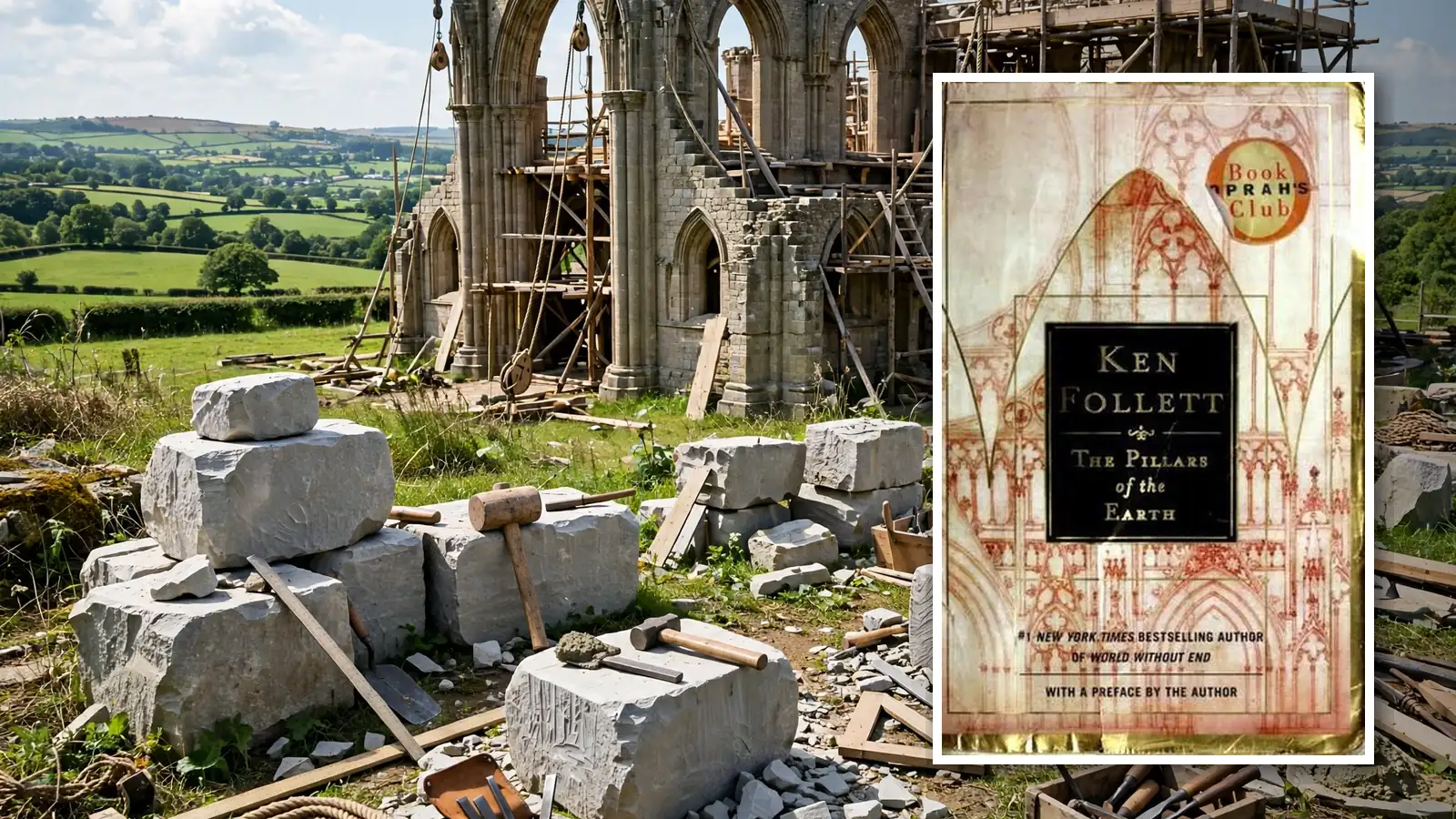
In 1135, England slides into civil war, and in the fictional town of Kingsbridge a mason named Tom Builder dreams of raising a cathedral like no other. Around him gather Prior Philip, who will fight bishops and earls to see the church built, Aliena, a noblewoman stripped of everything who rebuilds her fortune in wool, and Jack, a gifted boy with a secret past.
Ken Follett spent years learning how cathedrals were actually built, and it shows in the best way. You feel the weight of the stone, the danger of a scaffold, the decades of patience a project like this demands. The building rises and falls with the fortunes of its people, and every setback, fire, and betrayal lands harder because you have watched the walls go up stone by stone.
This is the big one: long, rich, and famously hard to stop reading. Oprah picked it, millions bought it, and a television series followed. Start it on a weekend. You will need the time, and you will not mind giving it.
The villains are as memorable as the heroes. William Hamleigh is a study in cruelty protected by rank, and Bishop Waleran schemes with a patience that makes your skin crawl. Against them, the love story between Jack and Aliena gives the epic its heartbeat. Their long road to each other, interrupted by war, pride, and other people’s marriages, is the thread that pulls you through nearly a thousand pages.
7. Wolf Hall by Hilary Mantel
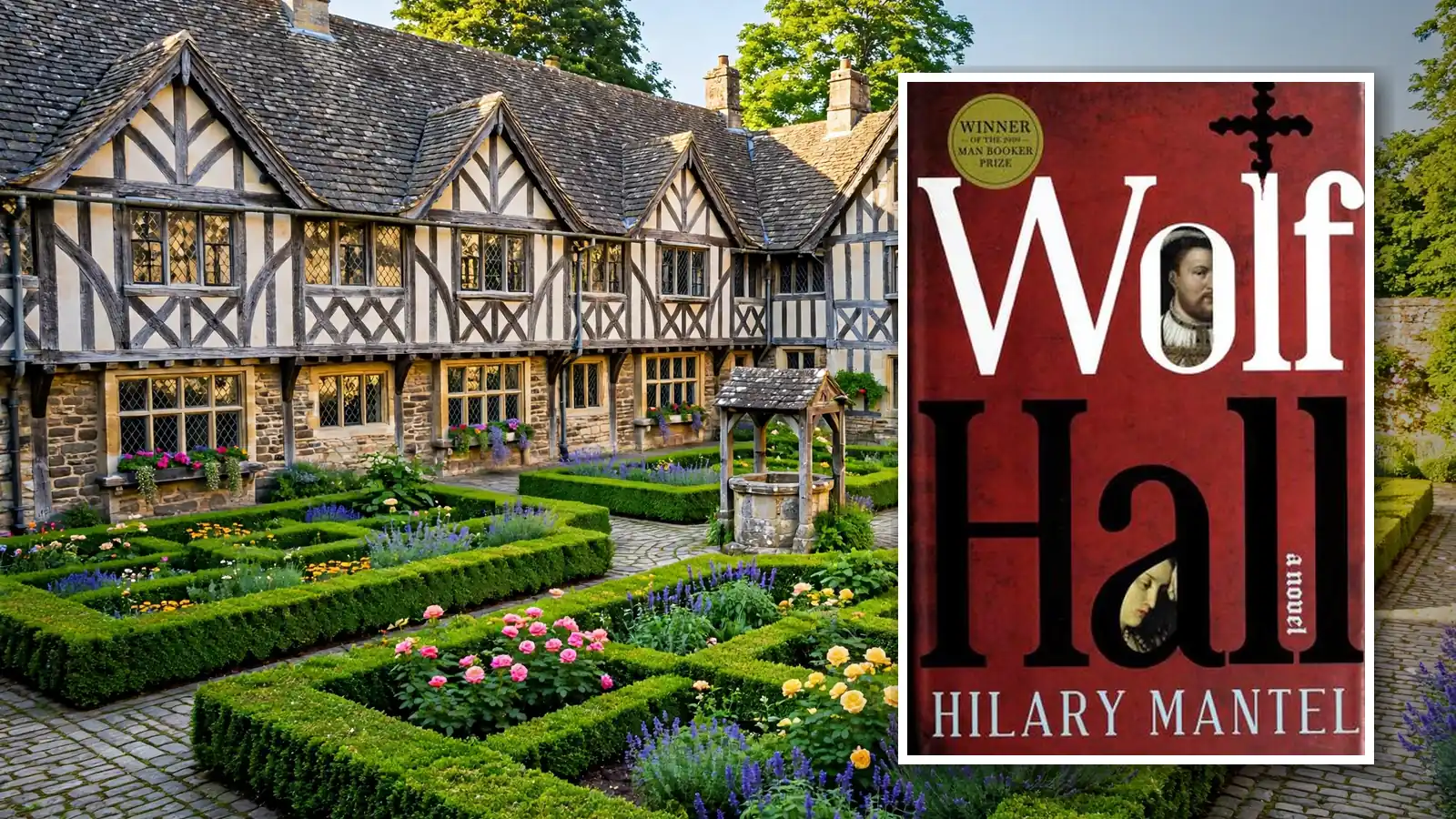
England in the 1520s is a heartbeat from disaster. Henry VIII has no male heir, wants a divorce the pope will not grant, and the country could tear itself apart over the question. Into this crisis steps Thomas Cromwell, a blacksmith’s son who rose through Cardinal Wolsey’s household to become the king’s most trusted, and most feared, adviser.
Hilary Mantel tells the story from inside Cromwell’s head, in a close present tense that makes five hundred year old politics feel immediate. You sit in council chambers, watch alliances form and dissolve, and understand exactly why a single word in the wrong ear can end a life. Cromwell is ruthless, tender, funny, and impossible to look away from.
Winner of the Booker Prize, Wolf Hall is the most demanding book here and the most rewarding. It asks you to pay attention, and it pays you back with the richest portrait of Tudor England ever put into a novel. Read it, and the sequel will already be on your shelf.
New readers sometimes stumble on the style at first, because Mantel often writes “he” when she means Cromwell, even in rooms full of men. Stick with it for fifty pages. Once your ear adjusts, the effect is extraordinary: you are not watching Cromwell from outside, you are thinking alongside him, weighing every glance and silence the way he does.
The List at a Glance
Seven novels, three of them set in World War II, two of them winners of major literary prizes.
- Prize winners: Wolf Hall (Booker Prize), All the Light We Cannot See (Pulitzer Prize for Fiction)
- World War II settings: The Nightingale, The Book Thief, All the Light We Cannot See
- Longest journey: Pachinko, four generations from 1910 to 1989
- Earliest setting: The Pillars of the Earth, England in the 1100s
- Best first pick for new readers of the genre: The Nightingale
There is a reason these seven keep finding new readers. They do not use history as wallpaper. The past in each one is a living place, full of people making choices with incomplete information, exactly like us, only with worse medicine and better letters.
If you read one, read it with someone. These are books that get better in conversation: arguing about Cromwell’s motives, about whether Vianne or Isabelle was braver, about what Sunja should have done. History feels closest when it is debated over a table, not memorized from a page.
Pick your era, open the first chapter, and go. Another century is waiting, and it is closer than you think.
And if you finish all seven, you will have walked through a cathedral rising stone by stone, a court where one wrong word could kill, a hotel that held a whole life, and a war seen through the eyes of children. That is the quiet magic of this genre: you close the book, and the past stays open behind you.

John Smith is the founder and CEO of Karaoke Machines Guru. He is a karaoke tutor and karaoke enthusiast and has been passionate about karaoke since he was a child. He also writes about karaoke-related tips, guides, and product reviews on this website.
He overlooks the whole website and makes sure that everything is running smoothly. Learn more!