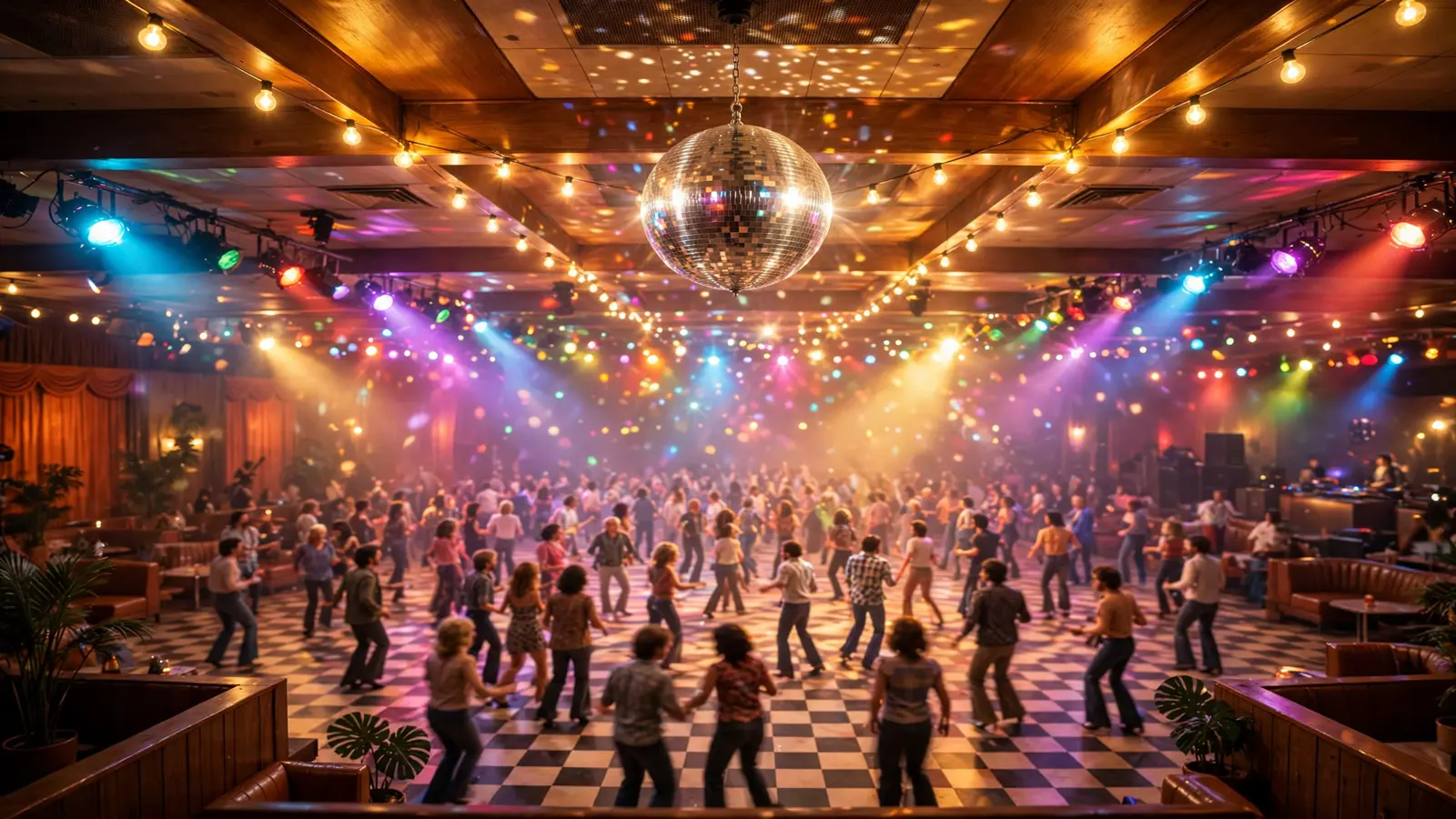
Some songs never leave the dance floor. Play them at a wedding, a birthday party, a reunion, or a late night kitchen dance, and the same thing happens every time. Feet start tapping, shoulders start moving, and someone who swore they would sit this one out is suddenly in the middle of the crowd, laughing and dancing with everyone else. That is the power of a great 1970s dance song, and it has not faded one bit.
The 1970s gave dance music its brightest decade. Disco brought the mirror ball, the four on the floor beat, and the big group chorus. Funk brought the bassline, the horns, and the swagger. Soul brought the voices that could lift a whole room. Put those sounds together, and you get songs that were built for moving, not just listening.
What is remarkable is how well these songs still work today. They do not need an explanation, and they do not need a remix to sound current. The first few seconds do all the work. A familiar beat, a famous opening line, or a chorus everyone knows is enough to fill a floor. That shared recognition is what makes a party feel like a party.
This list picks ten songs that still fill every dance floor. They come from the early, middle, and late parts of the decade, and they cover disco, funk, and soulful pop. What they share is simple: a beat you can follow, a chorus you can sing, and a feeling that makes a room feel alive. Each song below comes with a simple tip for the moment it plays best.
Quick picks: start your playlist here
Start with Stayin Alive for a confident strut, lift the room with YMCA for a full group dance, then go big with Le Freak for a smooth peak. Save I Will Survive for a triumphant singalong and We Are Family for a warm group moment.
1. Stayin’ Alive by Bee Gees
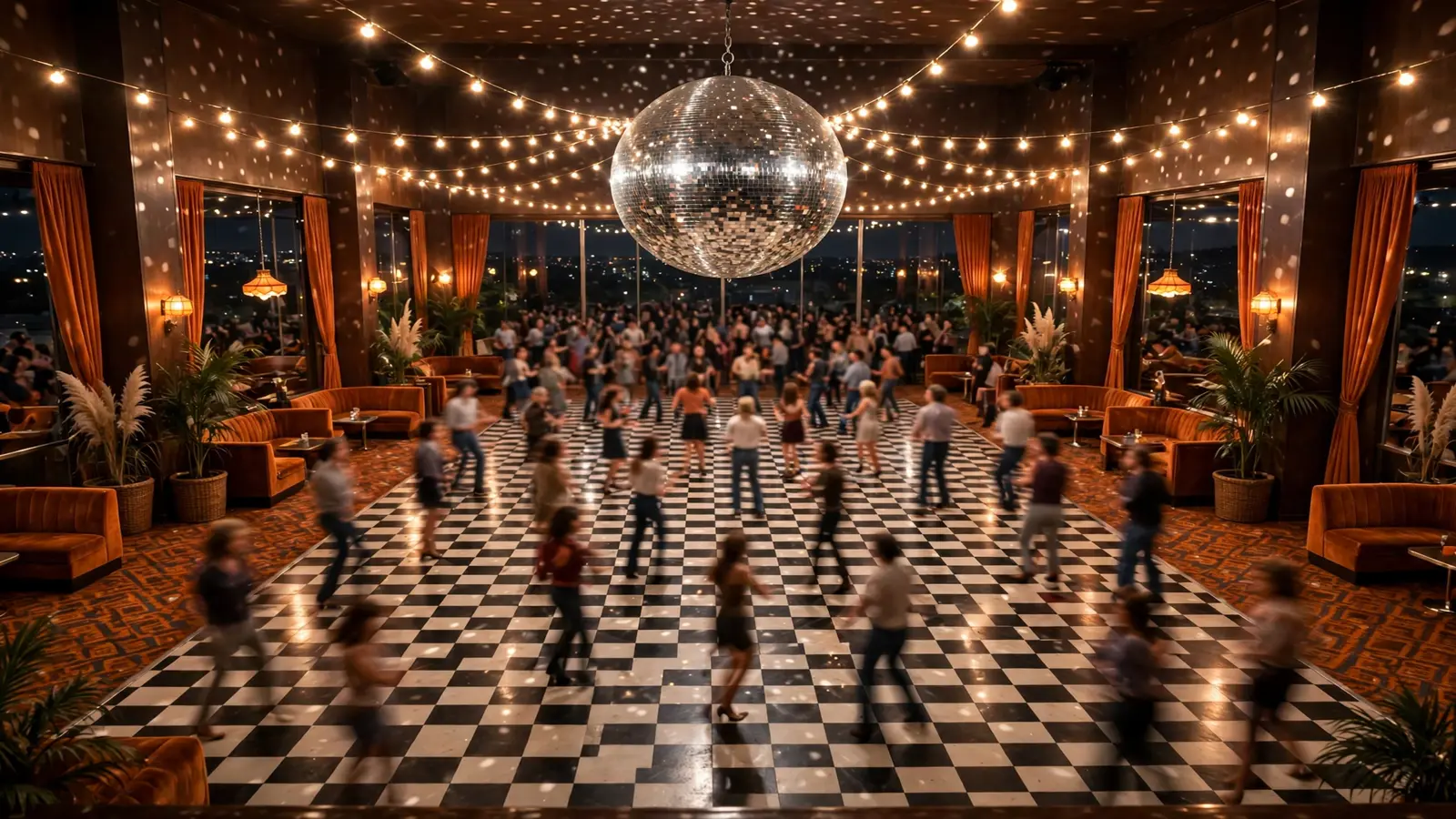
Stayin Alive opens with one of the most famous beats in pop music. That steady pulse, the falsetto vocal, and the walking bassline tell a dance floor exactly what to do. You strut, you bounce, and you keep moving.
At a glance: Artist: Bee Gees | Year: 1977 | Best for: a confident opener | Crowd moment: the first steady beat
Dance tip: Strut on the beat and bounce lightly with each step.
The Bee Gees wrote it for the film Saturday Night Fever, and it became the sound of the whole disco era. It is not a frantic song. It has a cool, steady groove that lets dancers show a little style instead of just jumping up and down. That control is part of its charm.
At a party, Stayin Alive works as a perfect opener. It is familiar enough that nobody needs to be coaxed onto the floor, and it is cool enough that even reluctant dancers feel good joining in. The beat is easy to follow, the chorus is easy to sing, and the mood is upbeat without being silly.
Play it early, when the floor is just starting to fill. Watch how quickly people find the beat and start moving together. It sets a confident tone for the whole night, and it tells every guest the same thing: this party is going to be fun, and nobody is sitting this one out.
2. YMCA by Village People
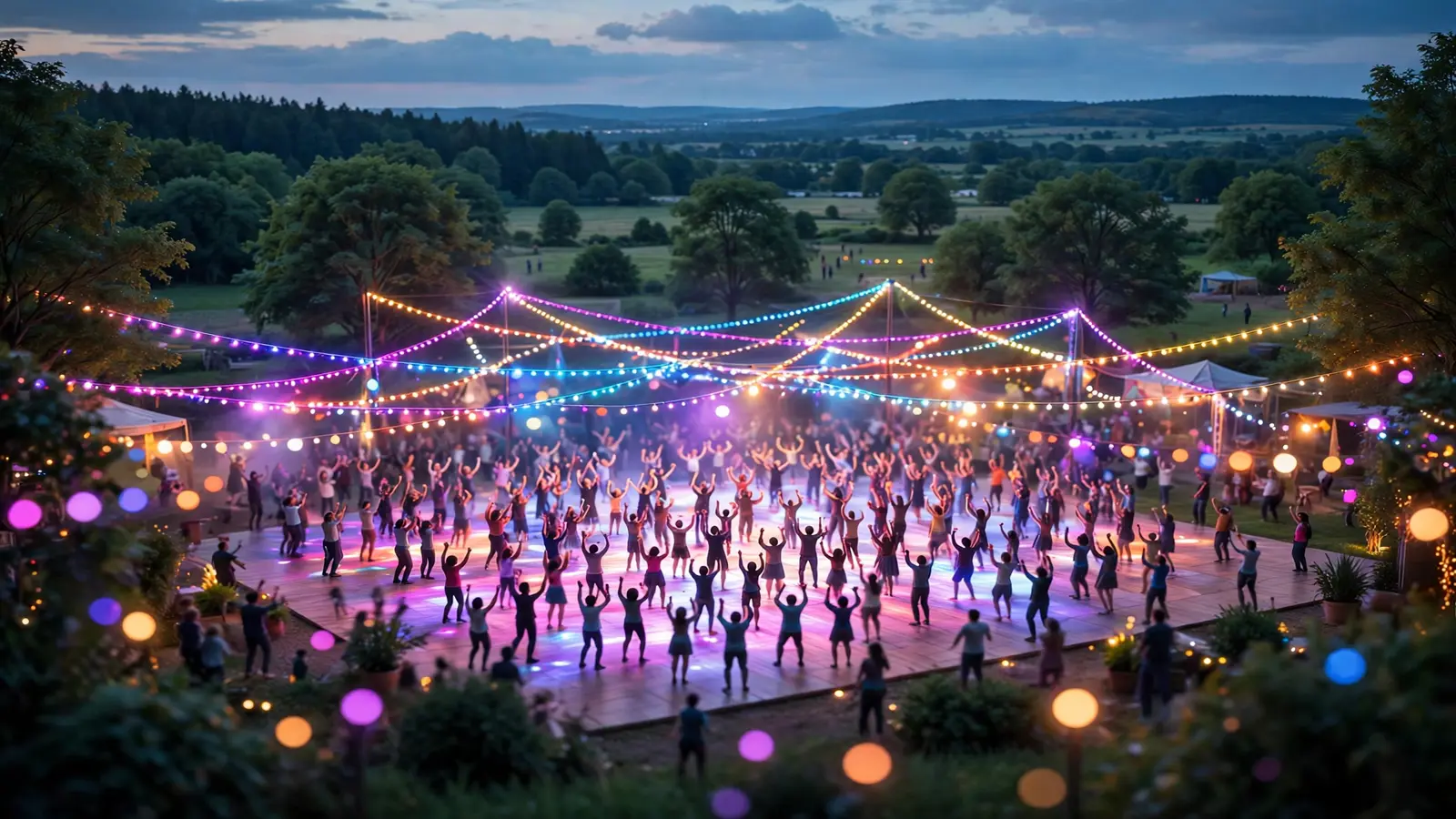
YMCA is more than a song. It is a group activity, a chant, and a dance all in one. The chorus is so simple that a whole room can join in on the first listen, and the famous arm letters give every guest something to do. That is why it still works at weddings, school dances, sports events, and family parties of every kind.
At a glance: Artist: Village People | Year: 1978 | Best for: a full room group dance | Crowd moment: the arm letter chorus
Dance tip: Spell each letter big and clear on the chorus.
The Village People built the track around a big, friendly chorus and a beat that never rushes. It feels welcoming rather than showy. You do not need skill to enjoy it. You just need to be willing to spell out four letters with your arms and laugh while you do it.
At a party, YMCA works best when the crowd needs a shared moment. It pulls shy guests in, because everyone is doing the same moves at the same time. Grandparents dance next to kids, work colleagues dance next to friends, and nobody is left watching from the edge. The song levels the room in the best possible way.
Teach the arm moves quickly, then let the crowd take over. Keep the volume up, give the chorus room to breathe, and watch the floor fill from edge to edge. It may be simple, and that is exactly why people love it. Simple songs make the biggest dance floors.
3. Le Freak by Chic
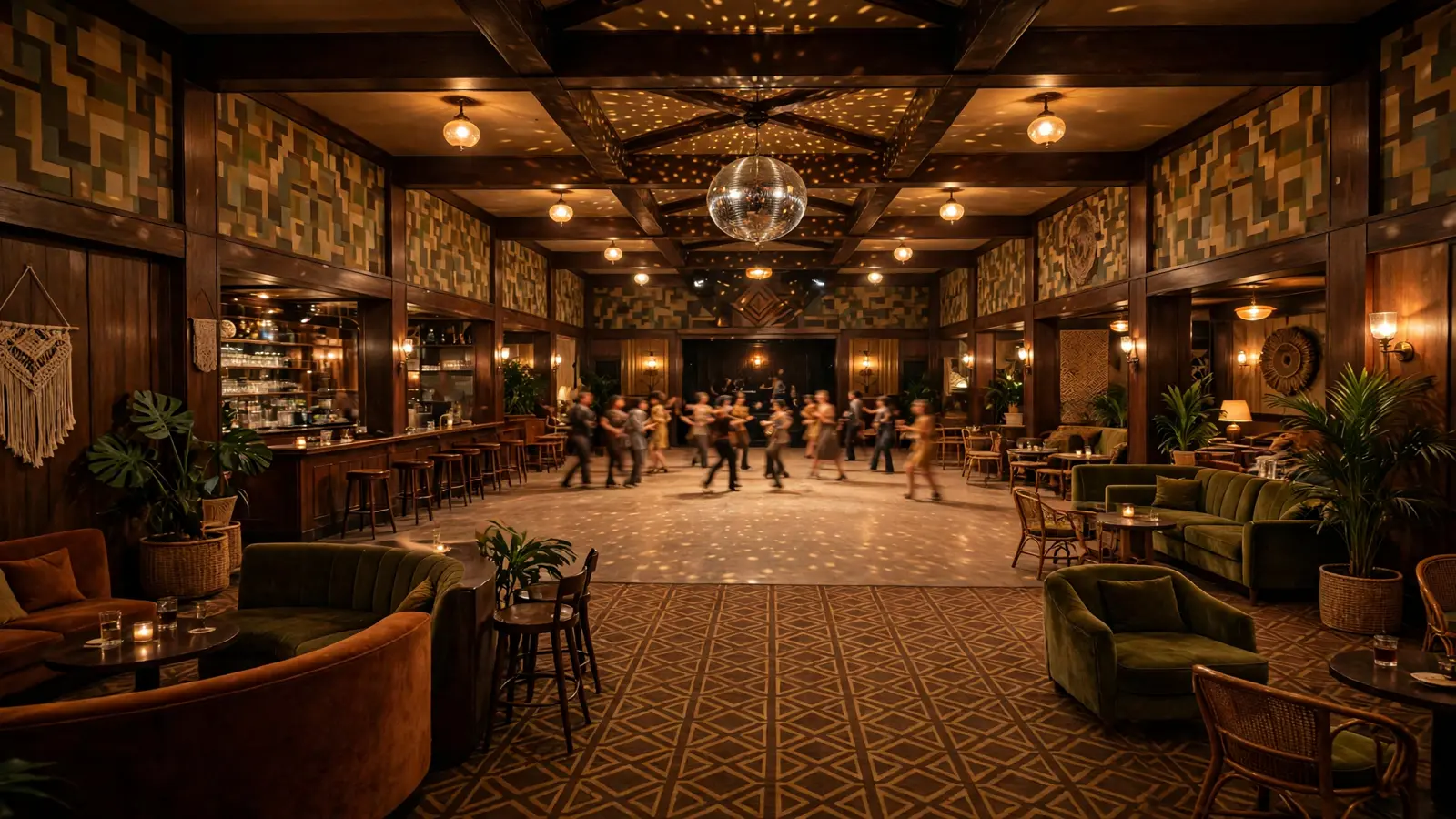
Le Freak is pure disco elegance. Chic paired a tight guitar riff with a smooth, rolling groove, and the result still sounds fresh in a big room.
At a glance: Artist: Chic | Year: 1978 | Best for: a smooth stylish peak | Crowd moment: the guitar riff into the chorus
Dance tip: Glide on the groove and add a spin on the chorus.
The song famously grew out of a night when Nile Rodgers and Bernard Edwards were turned away from a club door. They turned that frustration into a party anthem, and the chorus became an invitation: freak out.
At a party, Le Freak works as a peak moment for a crowd that likes style. It suits a room that is already warm and ready to move. The tempo is not punishing, so dancers can focus on rhythm, timing, and a bit of showmanship instead of just keeping up with the beat.
Play it when the floor needs a lift without going full speed. It gives the night a classy, confident energy, and it pairs well with other disco hits. Expect a lot of smiling, a lot of smooth moves, and a floor that stays full until the last note.
4. I Will Survive by Gloria Gaynor

I Will Survive starts as a quiet statement and builds into a roar. Gloria Gaynor sings about strength after a breakup, and the disco beat underneath turns that message into a celebration. It is a song about standing tall, and dance floors have embraced that feeling for decades.
At a glance: Artist: Gloria Gaynor | Year: 1978 | Best for: a triumphant singalong | Crowd moment: the second chorus
Dance tip: Raise your arms on the chorus and sing it with the room.
The track is famous for its slow build. The verses feel personal, almost spoken, and then the chorus opens up into a full singalong. That shape makes it perfect for a crowd.
At a party, I Will Survive works as an emotional peak. It suits weddings, birthdays, and any night where the crowd wants to feel strong and joyful at the same time. It is not just a dance song. It is a song people sing like they mean it, and that gives it extra power.
Save it for a moment when the room is ready to sing together. When the chorus hits, hands go up and voices join in. It is proof that a thoughtful song can still fill a floor, and it still does, night after night.
5. Boogie Wonderland by Earth, Wind and Fire with The Emotions

Boogie Wonderland sounds like a party wrapped in sparkle. Earth, Wind and Fire joined forces with The Emotions for a track full of bright horns, layered vocals, and a groove that sparkles from start to finish. It is joyful, polished, and impossible to stand still to.
At a glance: Artist: Earth, Wind and Fire with The Emotions | Year: 1979 | Best for: a glittering mid set peak | Crowd moment: the lifting chorus
Dance tip: Twirl on the chorus and let the horns lift your steps.
The song tells a story about escaping into the disco to forget a hard day, and the music follows that story. It changes the mood of a party in seconds.
At a party, Boogie Wonderland works as a glittering peak. It suits a crowd that loves big vocals and a full band sound. The beat is steady and generous, so dancers can move in groups, in pairs, or on their own, and everyone still feels part of the same celebration.
Play it in the middle of a disco set, when the floor is already warm. It will push the energy one step higher without changing the mood. Expect a lot of twirling, a lot of singing, and a room that feels brighter than it did a minute before.
Mid party check: is your floor full yet?
If the crowd is still shy, play YMCA next and let the arm letters do the work. If the floor is already hot, follow Boogie Wonderland with Disco Inferno and keep the disco run going into the second half.
6. Disco Inferno by The Trammps

Disco Inferno is pure heat. The Trammps built the track around a driving beat, urgent vocals, and a chorus that sounds like a command to dance harder. The famous burn baby burn line is not subtle, and it does not need to be. It is a song that turns the temperature up.
At a glance: Artist: The Trammps | Year: 1976 | Best for: a high energy club peak | Crowd moment: the burn baby burn chorus
Dance tip: Move fast on the beat and clap on the chorus.
The track first found its audience in clubs, then reached a much bigger crowd through Saturday Night Fever.
At a party, Disco Inferno works as a high energy peak. It suits a crowd that wants to move fast and let go. It is the song to play when you want the room to feel like a proper club.
Use it when energy starts to dip, or when you want to raise it to the top. Turn it up, step back, and let the crowd do the rest. The song knows how to run a hot dance floor all by itself, and it has been doing it for decades.
7. Night Fever by Bee Gees
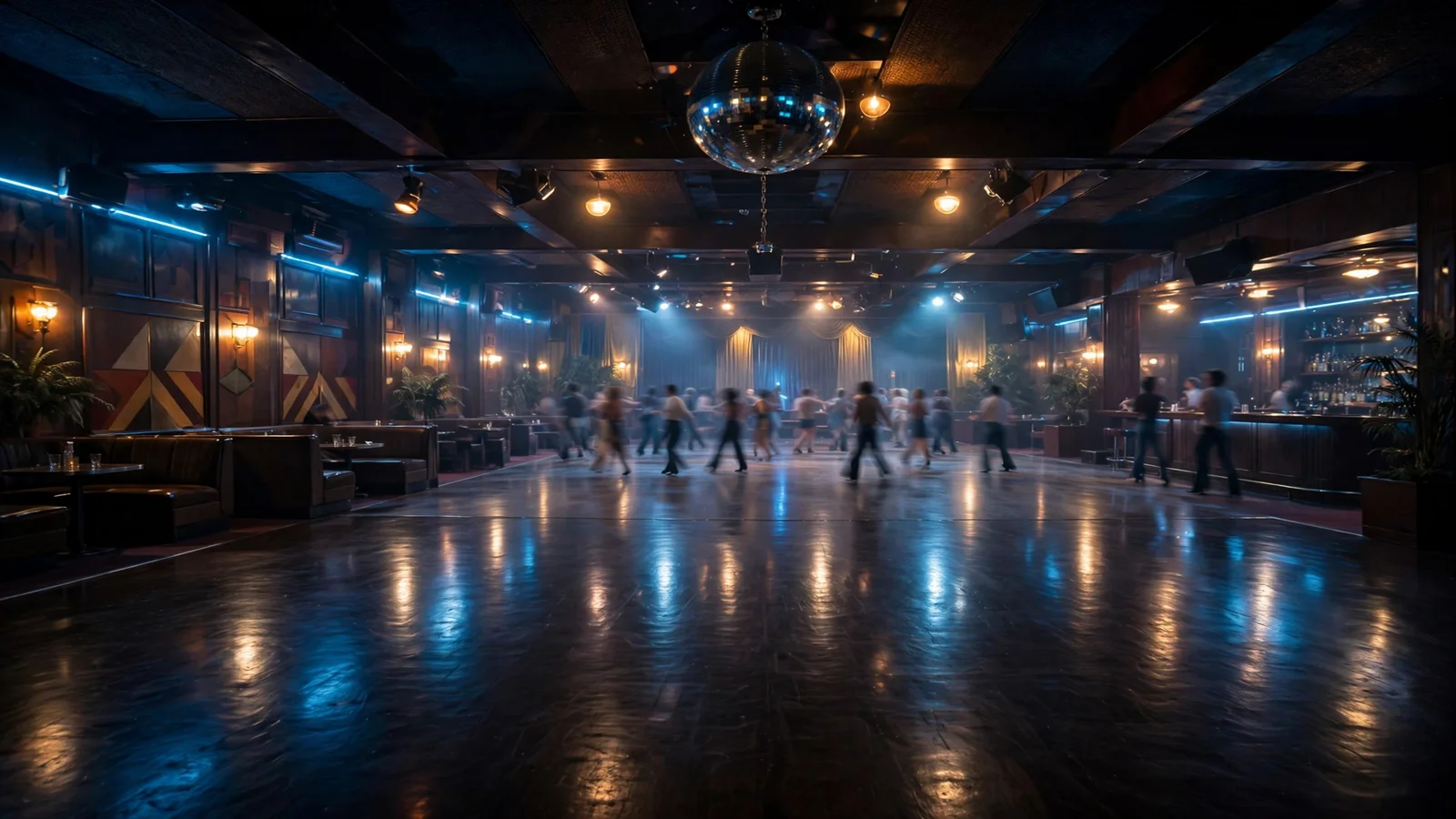
Night Fever is the Bee Gees at their smoothest. The falsetto vocal floats over a tight, pulsing groove, and the whole track feels like a warm night out in the city.
At a glance: Artist: Bee Gees | Year: 1977 | Best for: a smooth confident peak | Crowd moment: the gliding groove
Dance tip: Glide across the floor and sway on the chorus.
The song first appeared on the Saturday Night Fever soundtrack in 1977, and it went on to top charts around the world. Night Fever was not a novelty hit. It was the sound of a whole era at its peak, and it still carries that polish today.
At a party, Night Fever works as a smooth, confident peak. It suits a room that is already dancing and wants to keep going without a sudden change of pace. The groove is steady, the chorus is familiar, and the mood is warm and upbeat.
Play it in the middle of a disco set, right after a faster track, and let the room settle into its groove. Dancers will glide, couples will find space, and the floor will stay full. It is a classy, reliable party song that never feels out of place.
8. Brick House by Commodores
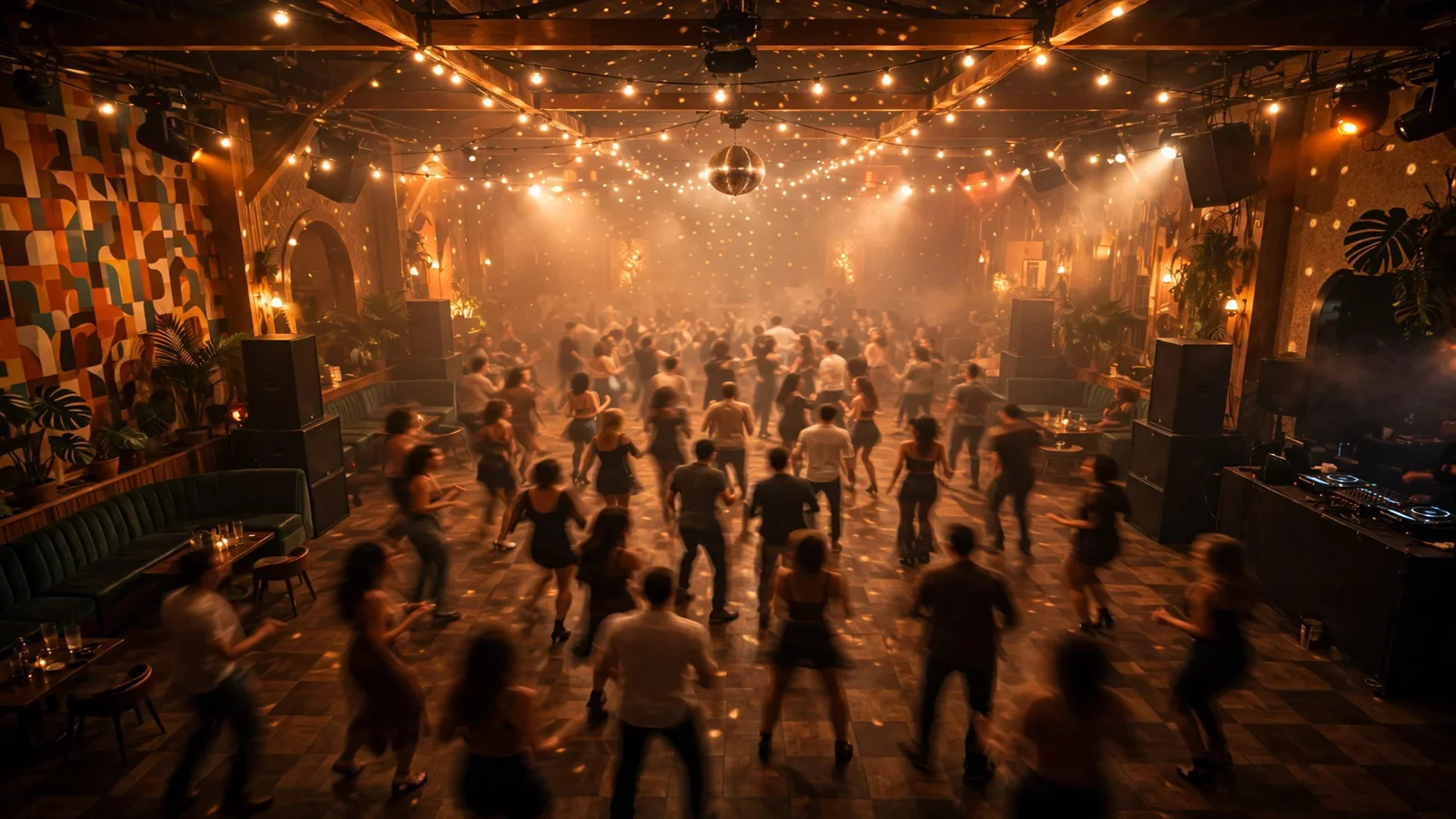
Brick House is funk at its most confident. The Commodores built the track around a deep, rolling bassline and a vocal that struts from the first line. It is not a polite dance song. It has attitude, swagger, and a groove that makes dancers move their shoulders before they even realise it.
At a glance: Artist: Commodores | Year: 1977 | Best for: a funky swagger break | Crowd moment: the rolling bassline
Dance tip: Let your shoulders lead and step with attitude.
The song became the Commodores signature dance floor hit, and it still works because the groove is so strong.
At a party, Brick House works as a funk break in a disco set. It suits a crowd that likes soul and funk as much as pure disco, and it gives the night a bit of grit and humour. The chorus is easy to sing, the bass is easy to follow, and the mood is playful.
Play it when the floor needs a change of flavour without losing energy. It keeps the room moving, it makes people smile, and it reminds everyone that the 1970s were about funk just as much as they were about disco.
9. We Are Family by Sister Sledge

We Are Family is the warmest song on this list. Sister Sledge sing about togetherness over a bright, bouncing disco beat, and the result feels like a group hug set to music. It is joyful, generous, and made for rooms full of people who care about each other.
At a glance: Artist: Sister Sledge | Year: 1979 | Best for: a warm group celebration | Crowd moment: the shared chorus
Dance tip: Link arms with friends and bounce together on the chorus.
The track was written and produced by Nile Rodgers and Bernard Edwards of Chic, and it shows. The groove is clean, the vocals are bright, and the chorus is one of the most singable in all of disco.
At a party, We Are Family works as a celebration moment. Friends link arms, families dance together, and the room feels closer than it did before the song started.
Save it for a moment when you want everyone together. It does not demand fancy moves. It just asks for joy, and most crowds are happy to give it. That is why it has lasted so long, and why it still closes parties so well.
10. Don’t Stop ‘Til You Get Enough by Michael Jackson

Don’t Stop Til You Get Enough bursts out of the speakers with pure joy. Michael Jackson packed disco, funk, and pop into one sparkling track, and the energy has never faded. It is a rush from the first beat to the last, and it still makes a floor move fast.
At a glance: Artist: Michael Jackson | Year: 1979 | Best for: a joyful high energy finish | Crowd moment: the first big chorus
Dance tip: Bounce, spin, and clap along without stopping.
The song was Jackson’s first big solo statement, and it shows a young star finding a sound that was all his own. The beat is bright, the vocal is playful, and the chorus invites everyone to keep dancing.
At a party, Don’t Stop Til You Get Enough works as a joyful closer or a late night peak. It suits a crowd that wants to finish on a high, with jumping, spinning, and singing all at once.
Put it near the end of a 1970s set. It wakes up a tired room fast and gives everyone a shared chorus to shout. If you want a final moment that leaves the floor full and smiling, this is the song that creates it without any planning.
Closing set idea
End with We Are Family for a warm group singalong, Brick House for a funky swagger moment, and Don’t Stop Til You Get Enough for a joyful, high energy finish. That run gives every kind of dancer a moment to shine.
If you only take one idea from this list, make it this: a great dance song is not about being new. It is about being clear. A strong beat, a hook that sticks, and a chorus that invites everyone in will beat a clever song that nobody knows how to move to. That is true now, and it was true in the 1970s.
That is why these songs still rule so many parties. They were made for rooms full of people, not headphones alone. They reward the whole crowd, from the confident dancers at the front to the shy dancers at the edge who just need one familiar song to join in.
So build your playlist around them. Start with a confident opener, save a big singalong for the middle, and keep one crowd pleaser for the end of the night. When the floor fills up and nobody wants to leave, you will know you picked well, and you will probably play the whole list again next time.

John Smith is the founder and CEO of Karaoke Machines Guru. He is a karaoke tutor and karaoke enthusiast and has been passionate about karaoke since he was a child. He also writes about karaoke-related tips, guides, and product reviews on this website.
He overlooks the whole website and makes sure that everything is running smoothly. Learn more!