

Some true crime series hand you the answer in the first episode. The eight on this list do the opposite. Each one keeps you guessing, turning over new evidence, new suspects, and new doubts right up to the final scene. That is the pleasure of the genre at its best: you become the detective, and the verdict never feels certain until it arrives.
These are all documentaries, built from real footage, real interviews, and real courtrooms. No actors play the killers. No scriptwriter invents a twist. The twists come from the cases themselves, and the best of them are stranger than anything a writer could dream up.
You do not need to watch them in order. Pick the case that grabs you first. If you want a courtroom saga, start at the top. If you want a manhunt, jump to the end. Each entry comes with its real show poster, so you can spot the exact series at a glance, plus an At a glance box with its rating, season count, and where to watch it.
A word before you press play: these stories involve real victims and real families. The best series on this list remember that, and they treat the people at the centre of each case with care. The worst moments in true crime come when a show forgets the victims. None of these eight make that mistake for long.
What ties the eight together is craft. Patient filming over years, interviews that earn trust, and editing that holds back the key fact until the moment it lands hardest. Watch one, and you will understand why true crime became the most talked about genre on television.
So lock the door, dim the lights, and pick a case. The hardest part will not be finding a great series. It will be stopping after just one episode.
How to watch without spoiling the verdict
Watch in order. Every series here builds its case episode by episode.
Do not search the case online first. One search can spoil the ending.
Note each new suspect. The series wants you to change your mind.
Save the final episode for a quiet night. The last ten minutes matter most.
1. Making a Murderer
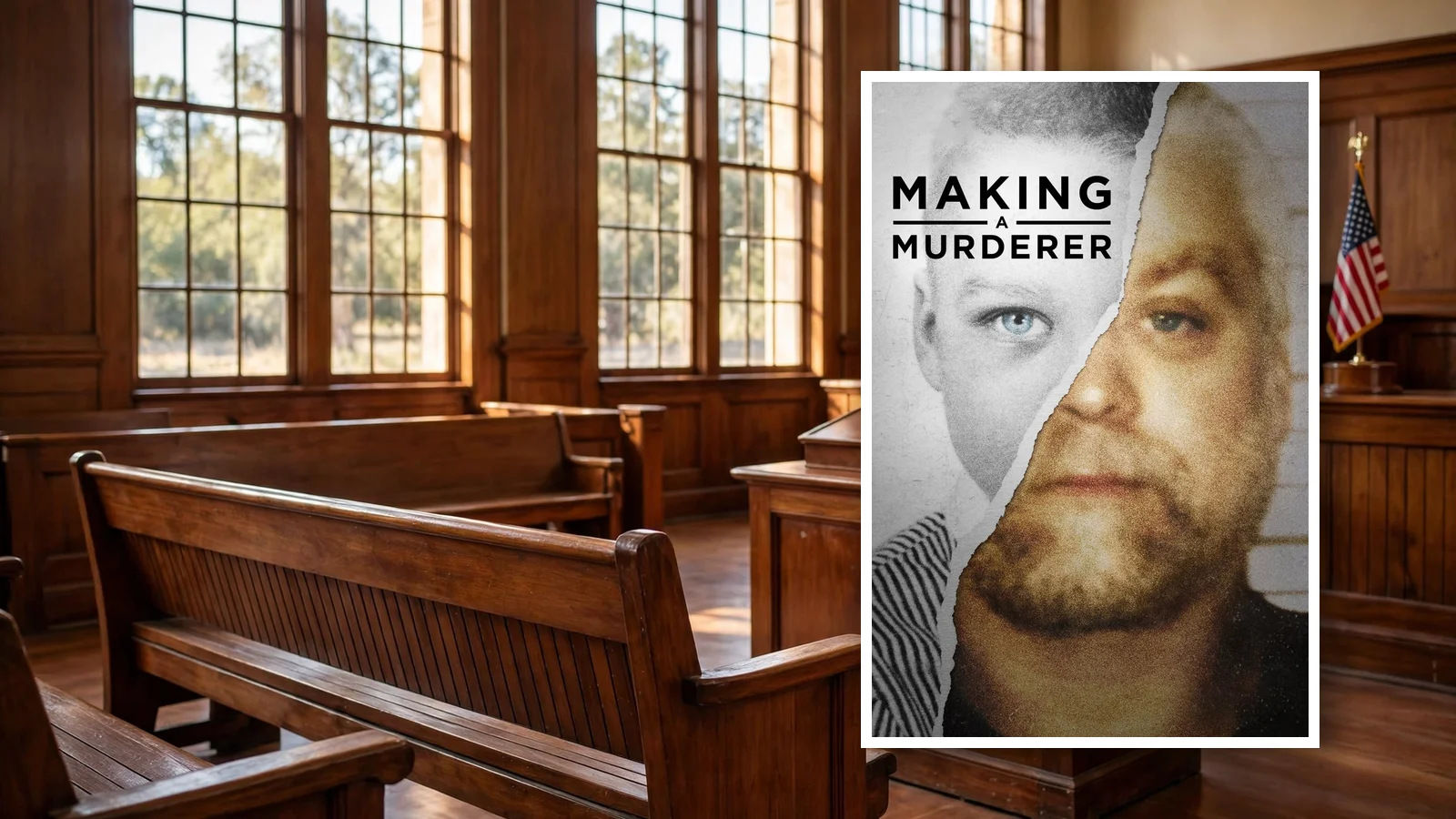
Making a Murderer opens with a man walking free after 18 years in prison. Steven Avery was convicted of a sexual assault he did not commit, and DNA evidence finally cleared him in 2003. Just two years later, he was arrested again, this time for the murder of photographer Teresa Halbach. The timing alone is enough to pull you in and keep you watching.
Filmmakers Laura Ricciardi and Moira Demos followed the case for ten years, and that patience shows in every episode. You sit in the courtroom, you meet the Avery family, and you watch the defense pick apart the evidence piece by piece. The series never tells you what to think. It lays out the facts and lets the doubt grow on its own.
The second season shifts to the appeals, with new lawyer Kathleen Zellner digging into the forensic evidence. Her confidence is infectious, and her experiments are genuinely fascinating to watch. Even if you think you know how the case ends, the new tests and fresh documents keep the questions coming until the final credits.
Start here if you want the series that turned true crime into a global obsession. It is slow in the best way, careful with detail, and impossible to watch passively. You will pause it to argue with the screen. Most viewers do, and most viewers are still arguing about this case years later.
At a glance
Genre: True crime docuseries
IMDb rating: 8.5 out of 10
Seasons: 2
Platform: Netflix
Watch/info link: More on IMDb
2. The Jinx
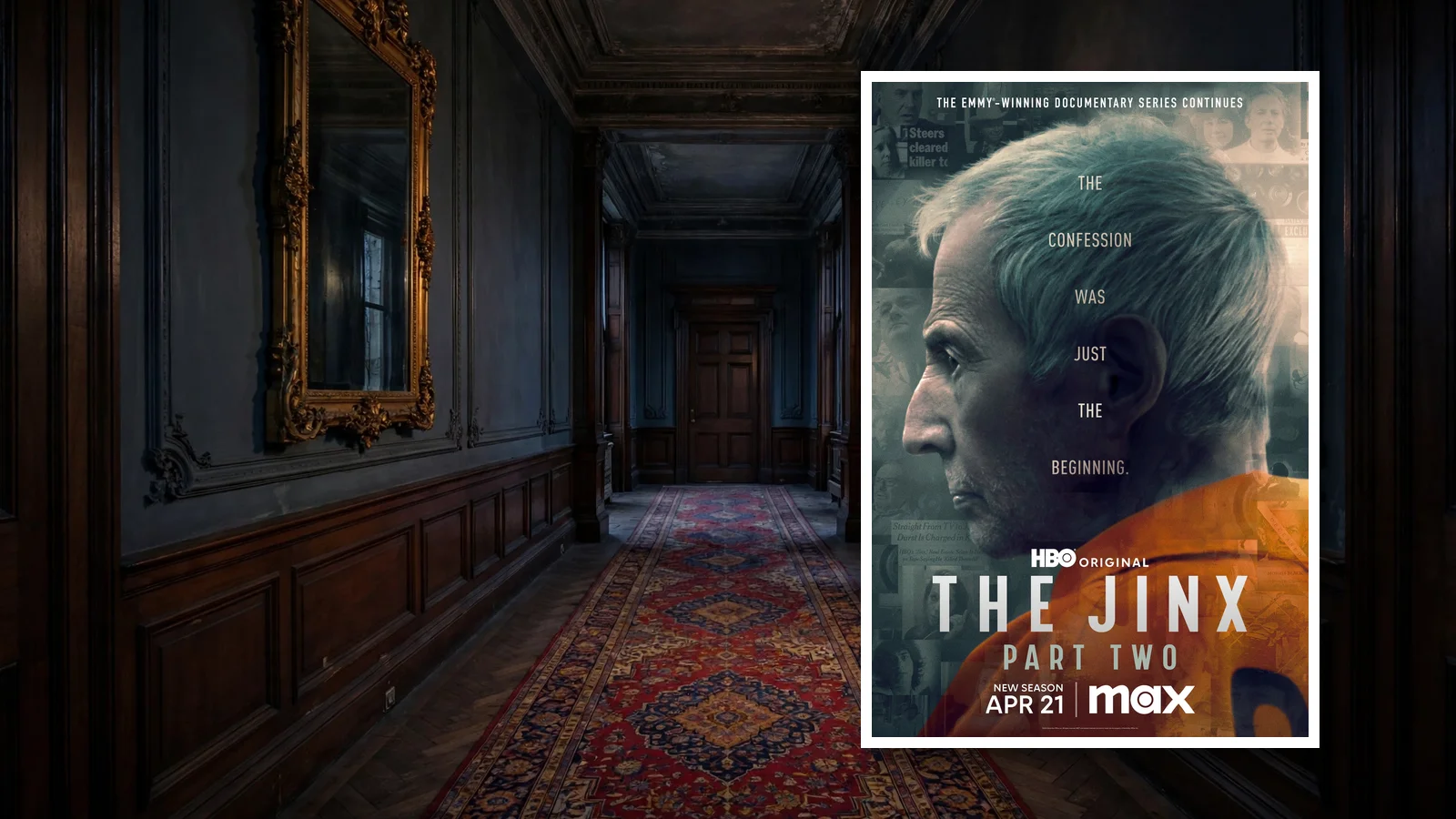
The Jinx begins with a mystery that sat unsolved for decades. Robert Durst was the heir to a New York real estate fortune, and three people connected to him died or vanished: his wife Kathie in 1982, his friend Susan Berman in 2000, and his neighbour Morris Black in 2001. Durst had never given a full interview about any of it. Then he called the filmmakers himself.
Director Andrew Jarecki builds the series like a slow interrogation. Old interviews, family footage, and Durst’s own calm, strange answers pile up until the picture turns dark. Durst is charming, evasive, and impossible to read, and every episode adds a detail that reframes the one before it. You keep waiting for him to slip. The archive material alone is worth the watch.
He does slip, in one of the most famous endings in documentary history. In the final minutes, Durst walks to the bathroom with his microphone still switched on, and the camera keeps rolling. What he mutters to himself changed the case overnight. He was arrested on a murder warrant the day before the finale aired.
Watch this one for the ending alone, then stay for the second season, which follows Durst’s trial years later. Few documentaries have ever had such a direct effect on a real criminal case. The Jinx did not just tell a story. It helped finish one.
At a glance
Genre: True crime docuseries
IMDb rating: 8.6 out of 10
Seasons: 2
Platform: HBO
Watch/info link: More on IMDb
3. The Staircase
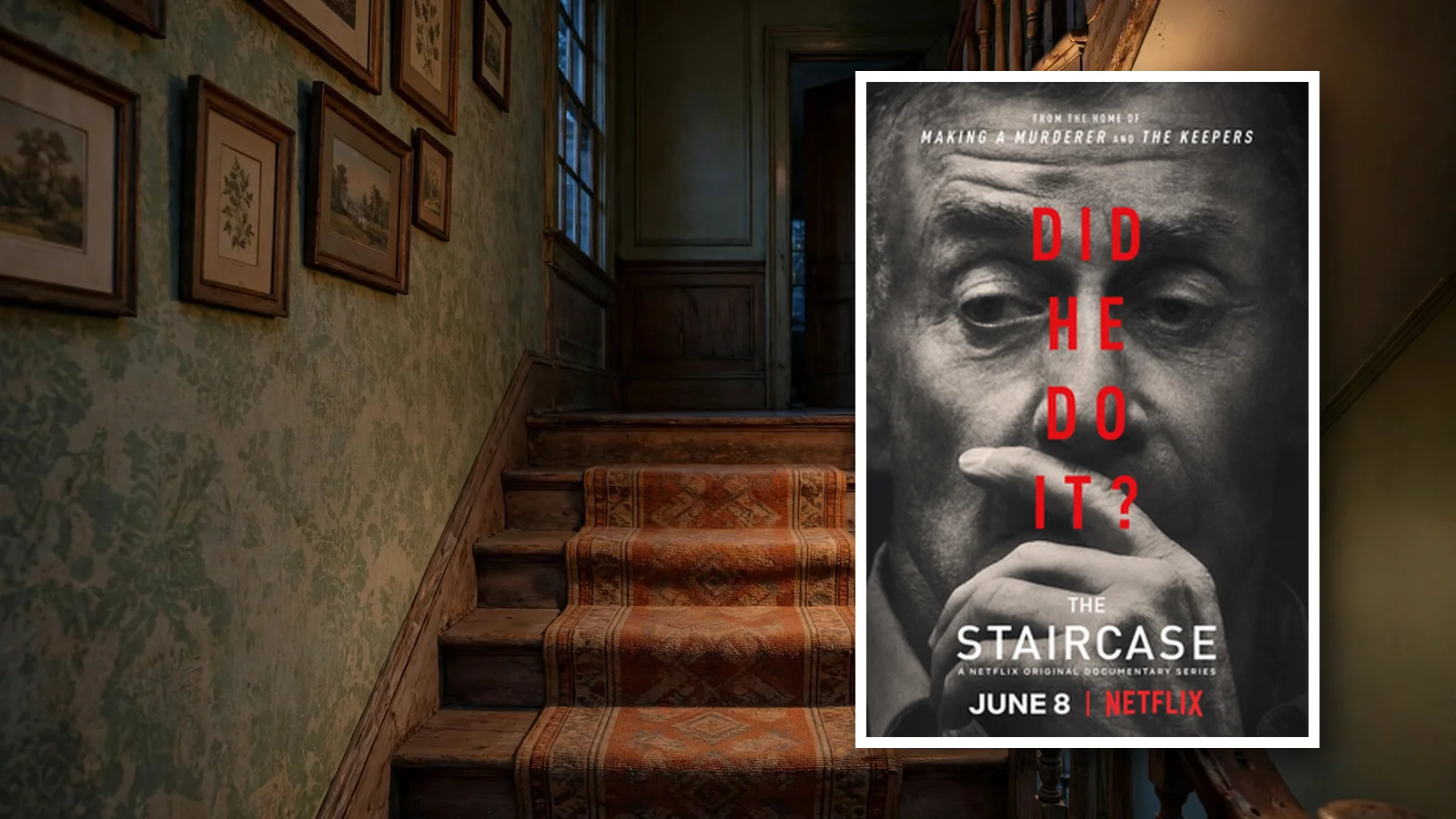
The Staircase follows one of the strangest murder trials in American history. On a December night in 2001, novelist Michael Peterson called 911 after finding his wife Kathleen dead at the foot of the stairs in their North Carolina home. Police said it was murder. Peterson said it was a fall. The truth depended on which expert you believed.
Director Jean-Xavier de Lestrade was given remarkable access to the defense team, and the cameras stayed for years. You watch lawyers argue over blood spatter, debate forensic science, and react in real time as the case takes turns nobody expected. The trial becomes a contest between two stories, and both sound convincing on different days.
What makes the series special is how long it lasts. New episodes arrived in 2013 and again in 2018, following appeals, a discredited witness, and Peterson’s eventual plea. A case that began with a single staircase ends up spanning nearly two decades, and the cameras are there for almost all of it. Peterson’s own children appear throughout, and their divided loyalties add a painful human layer.
Choose this one if you love courtroom drama and forensic puzzles. It is the oldest series on this list, and in many ways it invented the modern true crime format. Every show that came after it owes something to the access and patience on display here.
At a glance
Genre: True crime docuseries
IMDb rating: 7.8 out of 10
Seasons: 1
Platform: Netflix
Watch/info link: More on IMDb
4. The Keepers
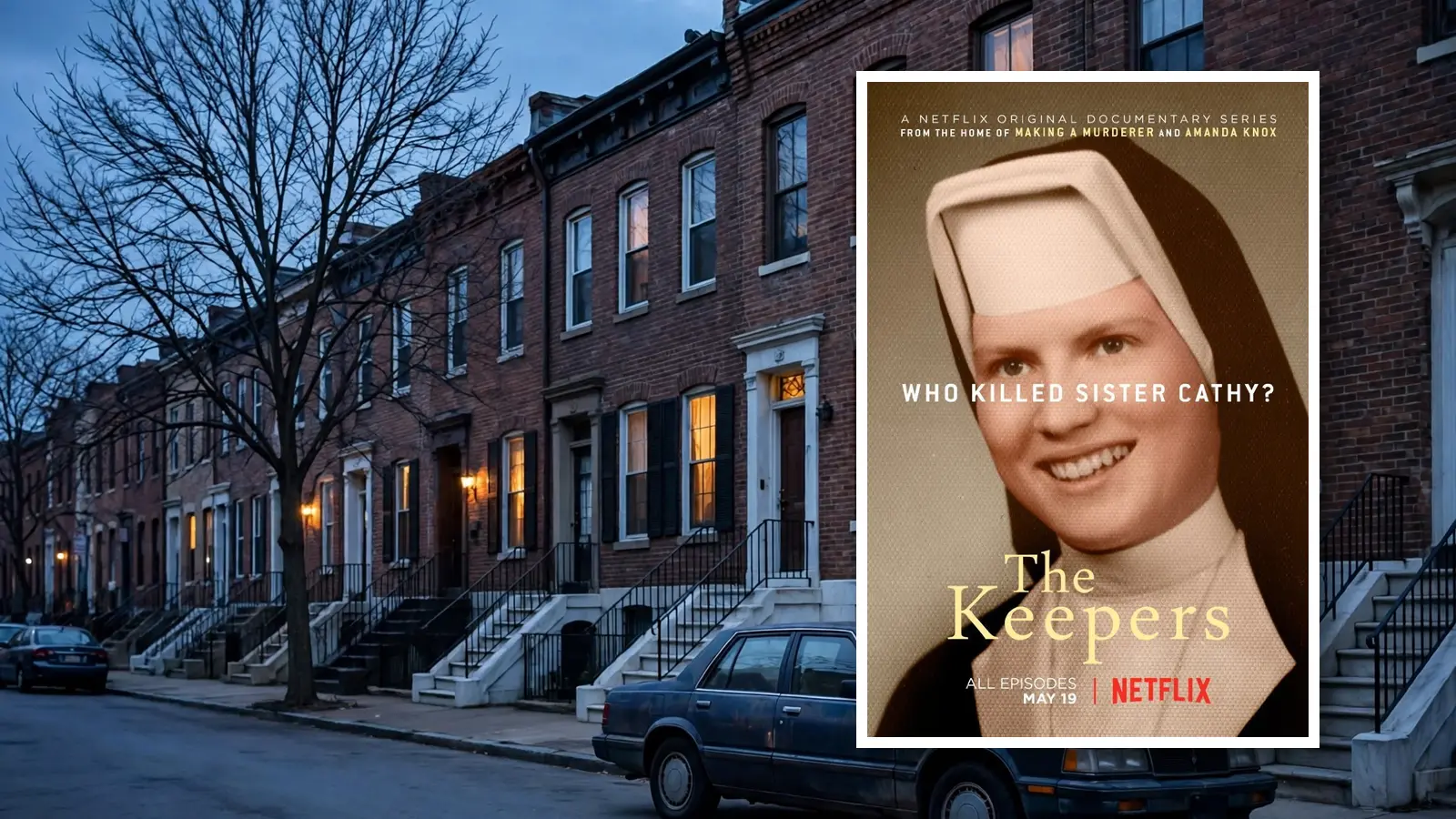
The Keepers begins with a question asked by two retired women in Baltimore. Who killed Sister Cathy Cesnik, a beloved nun and teacher who vanished in 1969? Gemma Hoskins and Abbie Schaub were her former students, and they refused to let the case go cold. Their amateur investigation slowly opens a door the authorities had kept shut for decades.
Behind the murder, the series uncovers something larger and darker: allegations of sexual abuse at the Catholic high school where Sister Cathy taught, and a possible cover up reaching into the church and local law enforcement. Survivors tell their stories on camera with remarkable courage, and their accounts change how you see every clue that follows. The series lets the survivors speak at length, in their own words.
Director Ryan White keeps the focus on the victims and the women chasing the truth, not on sensational twists. The seven episodes move carefully, building a picture of a community that protected its secrets for nearly fifty years. The final episode is less about an arrest than about what justice means when it arrives too late.
Watch this one if you want true crime with heart and purpose. It is the most moving series on this list, and the most important. The murder is never solved on screen, but the search itself exposes truths that matter far beyond one case.
At a glance
Genre: True crime docuseries
IMDb rating: 8.0 out of 10
Seasons: 1
Platform: Netflix
Watch/info link: More on IMDb
What makes a true crime series near perfect
Real access: cameras inside the courtroom, not just outside it.
A question that stays open until the final episode.
Victims and families treated as people, never as plot devices.
Evidence shown on screen, so you can judge it yourself.
5. Evil Genius
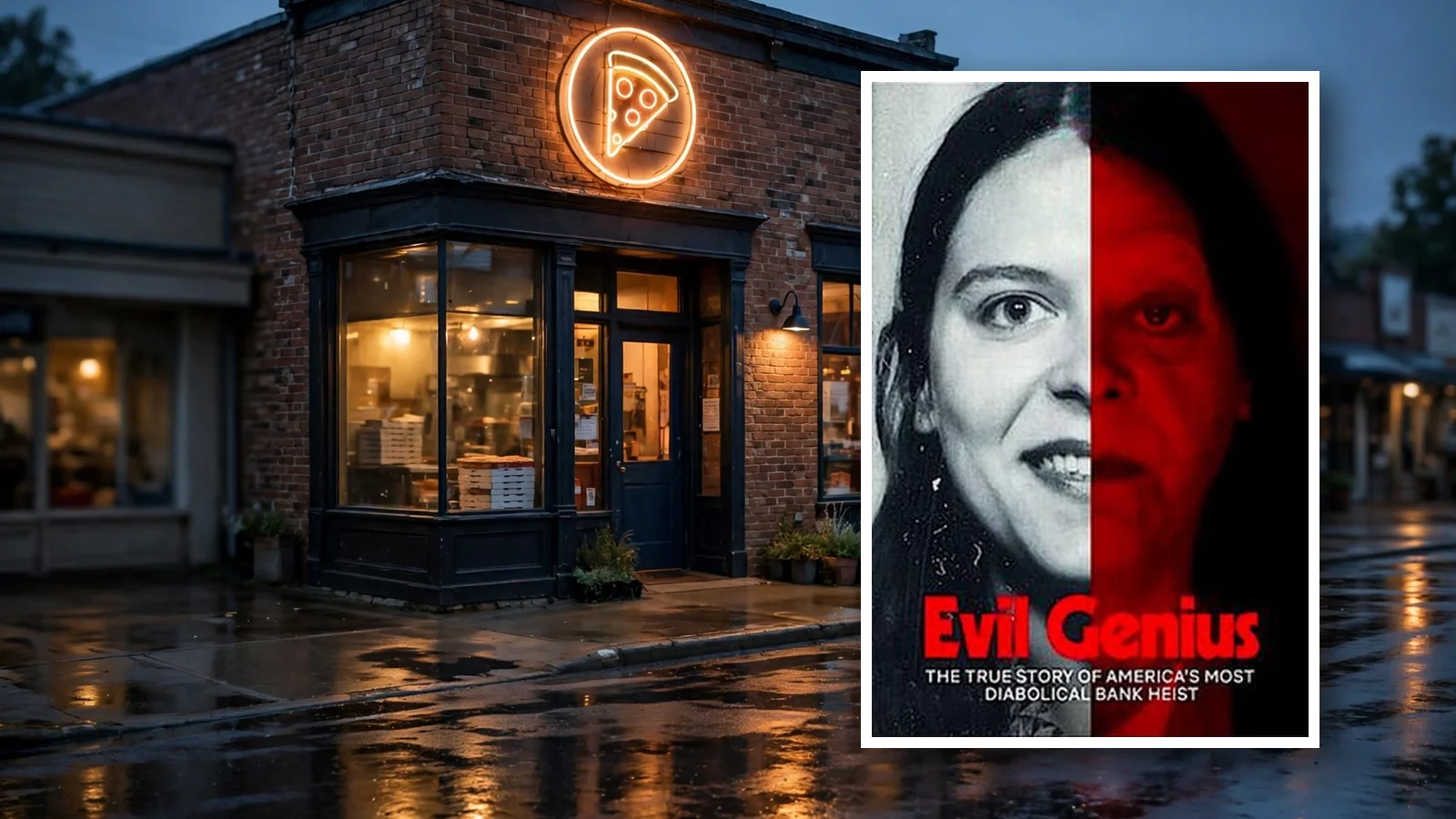
Evil Genius opens with a scene that seems impossible. In 2003, a pizza delivery man named Brian Wells walked into a bank in Erie, Pennsylvania, with a bomb locked around his neck. He handed over a note demanding money, police surrounded him in the parking lot, and then the bomb went off on live television. The question that drives the series is simple: was Wells a victim or a willing part of the plan?
The answer leads to one of the strangest casts in true crime. A body in a freezer, a scavenger hunt of handwritten notes, and a woman named Marjorie Diehl-Armstrong, a brilliant and deeply troubled figure who may have masterminded the whole plot. Co-director Trey Borzillieri spent years writing to her in prison, and their conversations are the spine of the series.
Across four episodes, the story keeps folding back on itself. Every new witness changes the picture, and every confession raises a new doubt. The FBI called it one of the most complicated and bizarre crimes in its history, and the series earns that description. Just when you think the case is closed, another voice appears.
Pick this one for pure strangeness. It is the shortest binge on this list at four episodes, and the most unsettling. You will finish it in one sitting, then spend the rest of the night wondering how any of it really happened.
At a glance
Genre: True crime docuseries
IMDb rating: 7.5 out of 10
Seasons: 1
Platform: Netflix
Watch/info link: Watch on Netflix
6. Don’t F**k with Cats
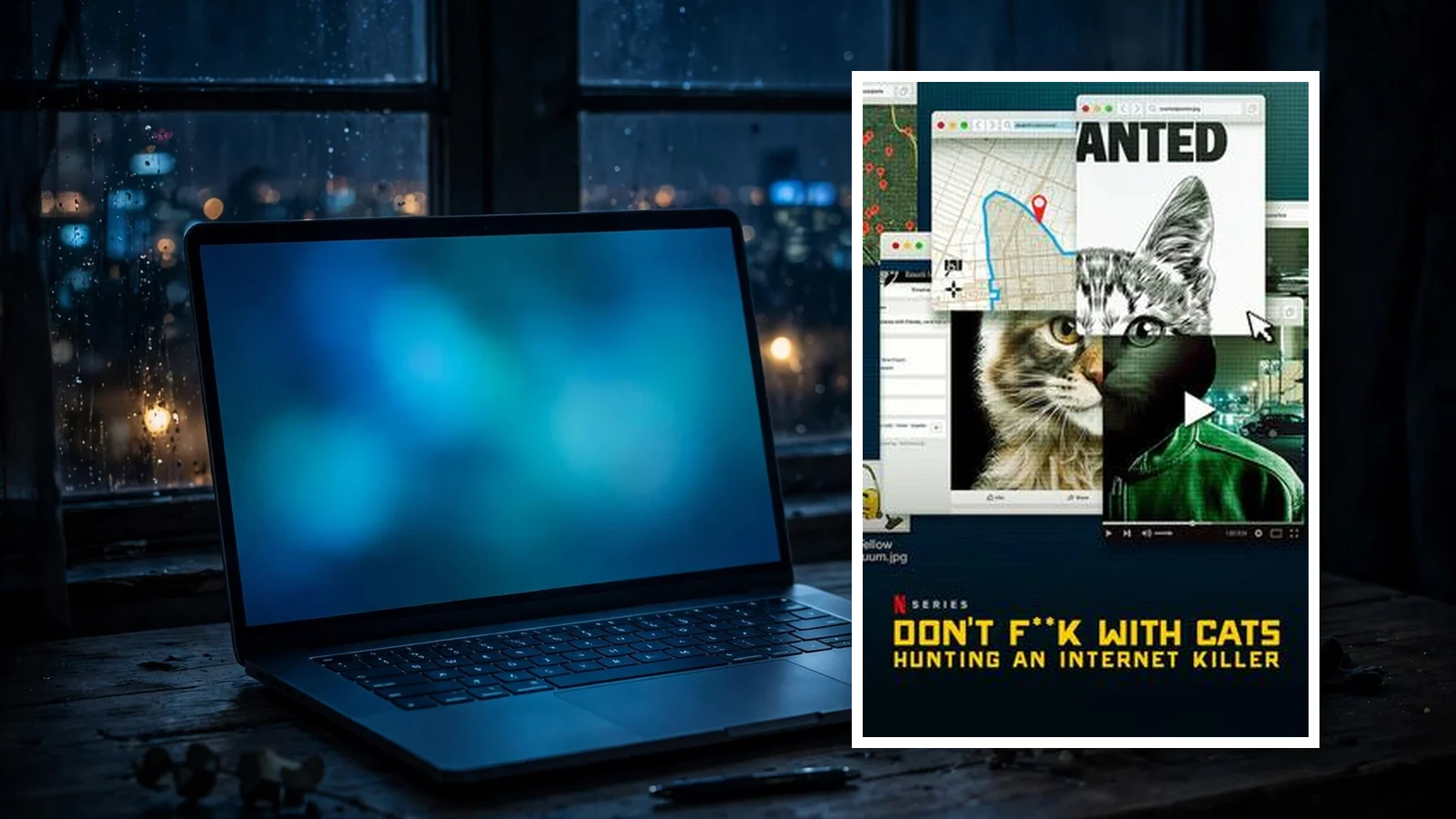
Don’t F**k with Cats starts with a video nobody should have watched. In 2010, a clip of a man harming kittens appeared online, and a group of strangers in a Facebook group decided to find him. They had no badges, no budget, and no training. What they had was time, internet skills, and a shared refusal to let the poster get away with it.
Deanna Thompson and John Green lead the hunt, tracing tiny clues in the background of each video: a vacuum cleaner, a view from a window, a plug socket. Their detective work is painstaking and often brilliant, and the series turns their screens into a crime scene. The man they are chasing is Luka Magnotta, and the clues point to crimes far worse than animal cruelty.
The hunt escalates when Magnotta is linked to the murder of Jun Lin, a student in Montreal, in 2012. Suddenly the amateur sleuths are feeding tips to police across three continents, and the killer knows they are watching. The final episode follows the manhunt to Berlin, where Magnotta was finally arrested in an internet cafe.
Watch this one if you want a thriller about the internet itself. It is a story about ordinary people doing extraordinary detective work, and about the dark side of online fame. Just be warned: the opening videos are disturbing, and the series does not soften what happened.
At a glance
Genre: True crime docuseries
IMDb rating: 8.0 out of 10
Seasons: 1
Platform: Netflix
Watch/info link: Watch on Netflix
7. Conversations with a Killer: The Ted Bundy Tapes
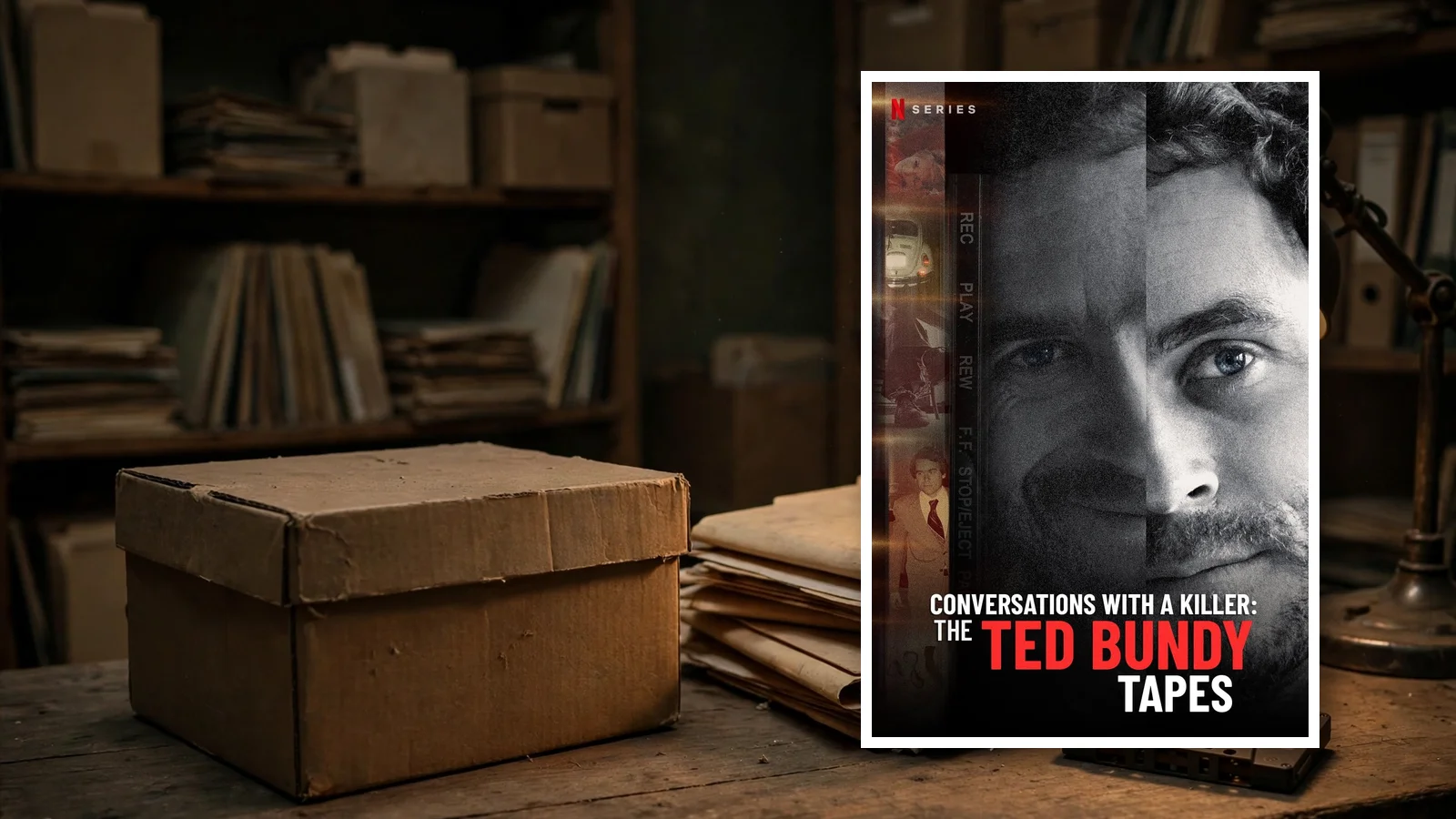
Conversations with a Killer does something no documentary had done before: it lets Ted Bundy speak for himself. In 1980, journalists Stephen Michaud and Hugh Aynesworth recorded more than 100 hours of interviews with Bundy on death row in Florida. Bundy talked about his crimes in the third person, as if describing someone else, and the tapes sat unheard for decades.
Director Joe Berlinger builds the series around those recordings, pairing Bundy’s calm voice with archive footage of the trials, the escapes, and the young women he murdered. Bundy was handsome, charming, and terrifyingly intelligent, and the series shows how those qualities helped him evade capture for years. Hearing him analyse his own crimes is deeply unsettling.
The four episodes trace Bundy’s life from his childhood through his killing years in the 1970s, his two escapes from custody, and his final trial in Florida, where he acted as his own lawyer. The series never glamourises him. It shows the damage he caused, and it gives time to the survivors and investigators who stopped him.
Watch this one for the tapes themselves. They are the closest thing to hearing inside a killer’s mind, and they explain why Bundy still fascinates and horrifies in equal measure. It is the darkest entry on this list, and the one most likely to stay with you after the credits.
At a glance
Genre: True crime docuseries
IMDb rating: 7.7 out of 10
Seasons: 1
Platform: Netflix
Watch/info link: More on IMDb
8. Night Stalker: The Hunt for a Serial Killer
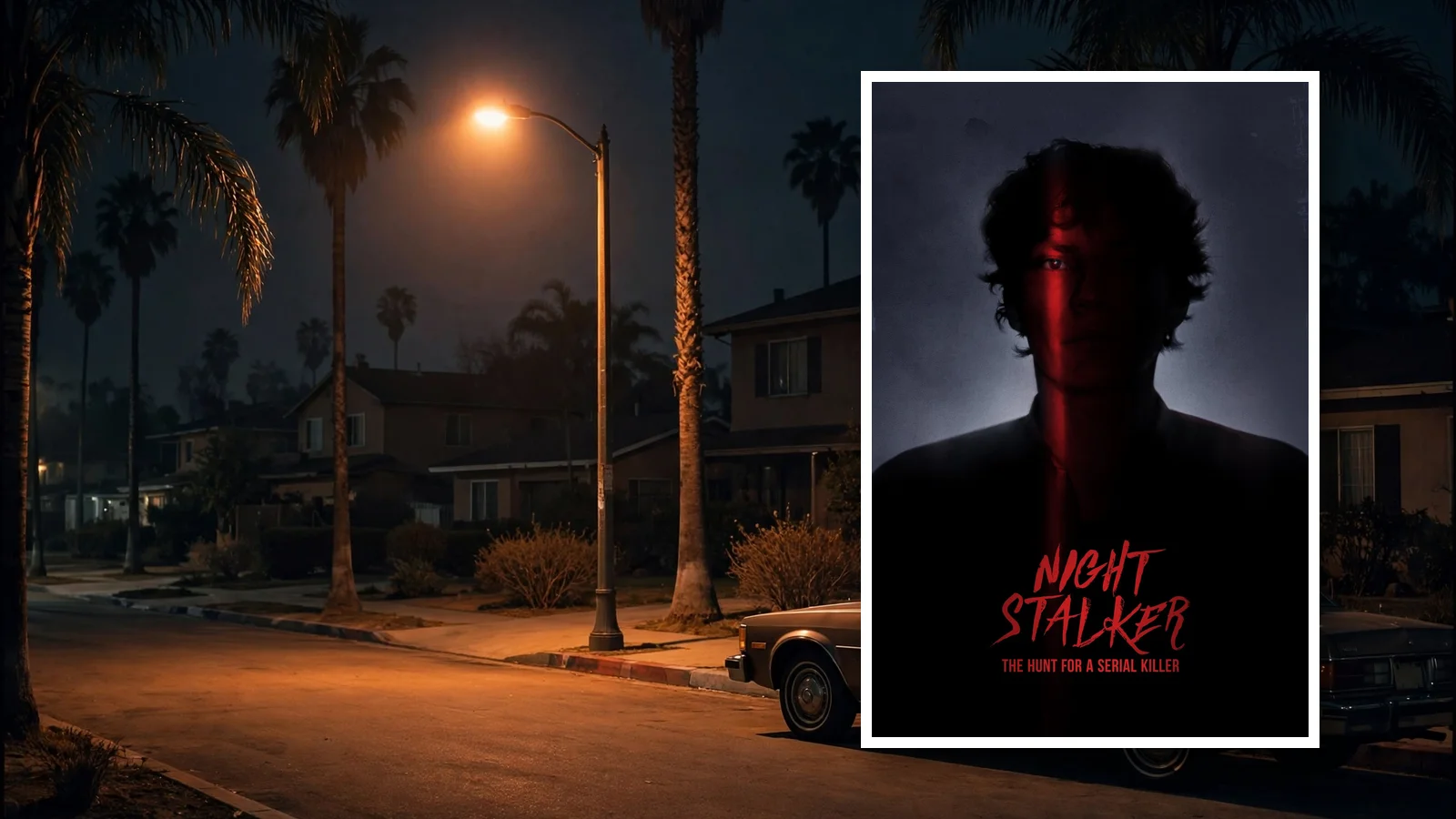
Night Stalker takes you back to Los Angeles in the summer of 1985, when a city of millions was afraid to sleep. Richard Ramirez broke into homes at night, attacking whoever he found inside, and nobody knew who he was or where he would strike next. The series tells the story through the two detectives who hunted him: Gil Carrillo and Frank Salerno.
Carrillo and Salerno make a gripping pair. Carrillo was young and driven, Salerno was near retirement and had seen it all, and together they pieced together the pattern from fingerprints, shoe prints, and a single dental clue. The series follows their investigation day by day, and the pressure builds as the attacks keep coming and the public panic grows.
The breakthrough comes from a stolen car, a fingerprint, and a community that finally had a face to look for. When Ramirez’s mugshot hit the news, ordinary people in East Los Angeles recognised him on the street and chased him down themselves. The arrest scene is one of the most dramatic in any documentary on this list.
End your binge here if you want a classic manhunt done right. Four tight episodes, two unforgettable detectives, and a citywide fear that feels real even forty years later. It is the most propulsive series on this list, and the hardest to pause halfway through.
At a glance
Genre: True crime docuseries
IMDb rating: 7.5 out of 10
Seasons: 1
Platform: Netflix
Watch/info link: More on IMDb
Your weekend watch order
For courtroom drama: Making a Murderer or The Staircase.
For a manhunt: Night Stalker or Don’t F**k with Cats.
For a mind bending mystery: The Jinx or Evil Genius.
For a story with heart: The Keepers or The Ted Bundy Tapes.
Eight series, eight real cases, and not a weak entry among them. That is rare. Most true crime shows give you one good twist and then run out of steam. These keep finding new angles, new evidence, and new reasons to doubt what you thought you knew.
If you only try one, pick the case that unsettles you most. Love courtrooms? Start with Making a Murderer. Love a chase? Night Stalker and Don’t F**k with Cats are waiting. Love a puzzle that refuses to sit still? The Jinx and Evil Genius will keep you guessing until the last minute.
The best part of a list like this is what comes after the final episode. These cases did not end when the cameras stopped. Appeals, new evidence, and fresh debate followed many of them for years, and the questions they raise about justice, evidence, and memory are still argued about today.
So tonight, skip the endless scrolling. Pick one title, press play, and let the first episode do its job. If it hooks you, and it should, you have hours of superb documentary ahead. If it does not, try the next one. With eight near perfect series to choose from, your next true crime obsession is already waiting.
One last tip: watch with someone else when you can. True crime is even better shared, and these eight give you plenty to argue about the next day. A great documentary is an invitation to think, and all eight of these are inviting you in.

John Smith is the founder and CEO of Karaoke Machines Guru. He is a karaoke tutor and karaoke enthusiast and has been passionate about karaoke since he was a child. He also writes about karaoke-related tips, guides, and product reviews on this website.
He overlooks the whole website and makes sure that everything is running smoothly. Learn more!