
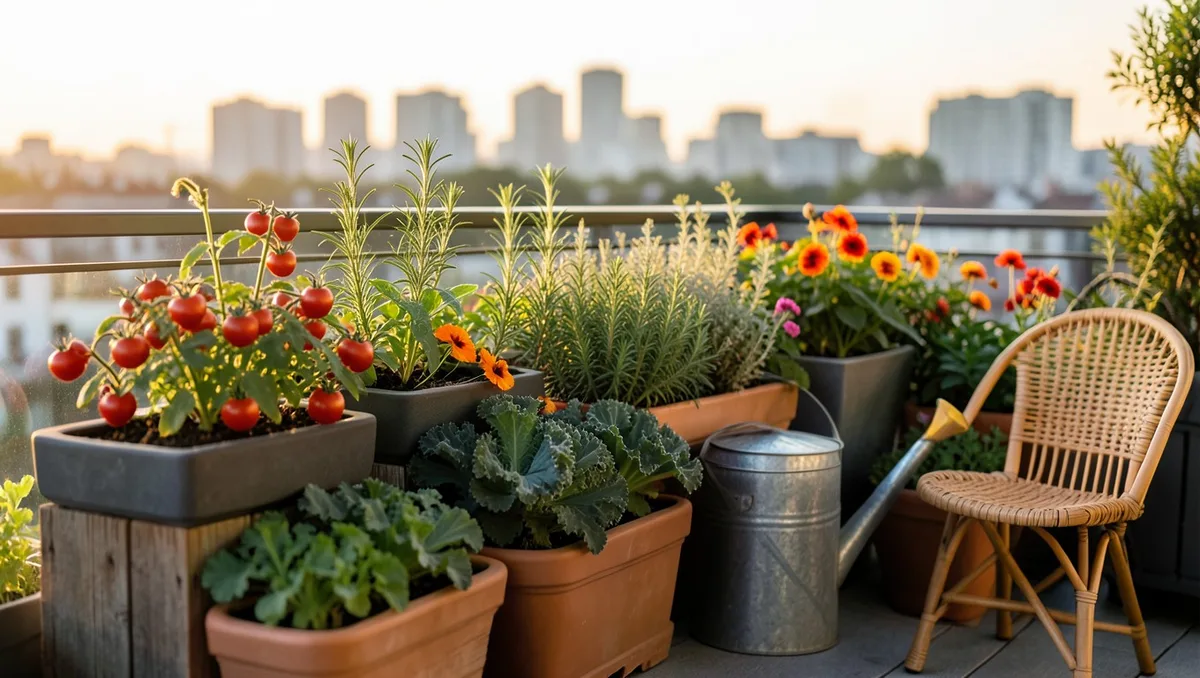
Most gardening advice assumes you have a sprawling quarter-acre of rich suburban topsoil and a shed full of heavy tools. When you are staring at a three-by-eight-foot concrete apartment balcony on the fourth floor, that textbook advice is completely useless. I have spent years turning cramped, wind-swept concrete ledges into productive urban jungles, and I have killed my fair share of expensive nursery stock along the way by treating a balcony like a traditional backyard.
Balcony gardening is a completely different discipline where weight limits, wind tunnels, and harsh microclimates dictate your success. To build a space that looks like a high-end editorial spread rather than a cluttered plant salvage yard, you need a strict design language and precise container specifications. Here is how to maximize every square inch of your small outdoor footprint with intentional, high-style container setups that actually thrive.
Quick Tips Before You Start
Check Weight Limits
Stick to lightweight fiberglass, fabric pots, or resin containers to keep structural load low.
Go Big or Go Home
Small pots dry out in hours on a windy balcony; use minimum 12-inch diameter vessels.
Get Saucers Everywhere
Always place deep drainage saucers under pots to prevent dirty water from dripping onto your neighbors below.
Secure Tall Elements
Anchor vertical trellises directly to the balcony railing using heavy-duty, UV-resistant zip ties.
1. Monochromatic Grouping with Charcoal Fiberstone Pots
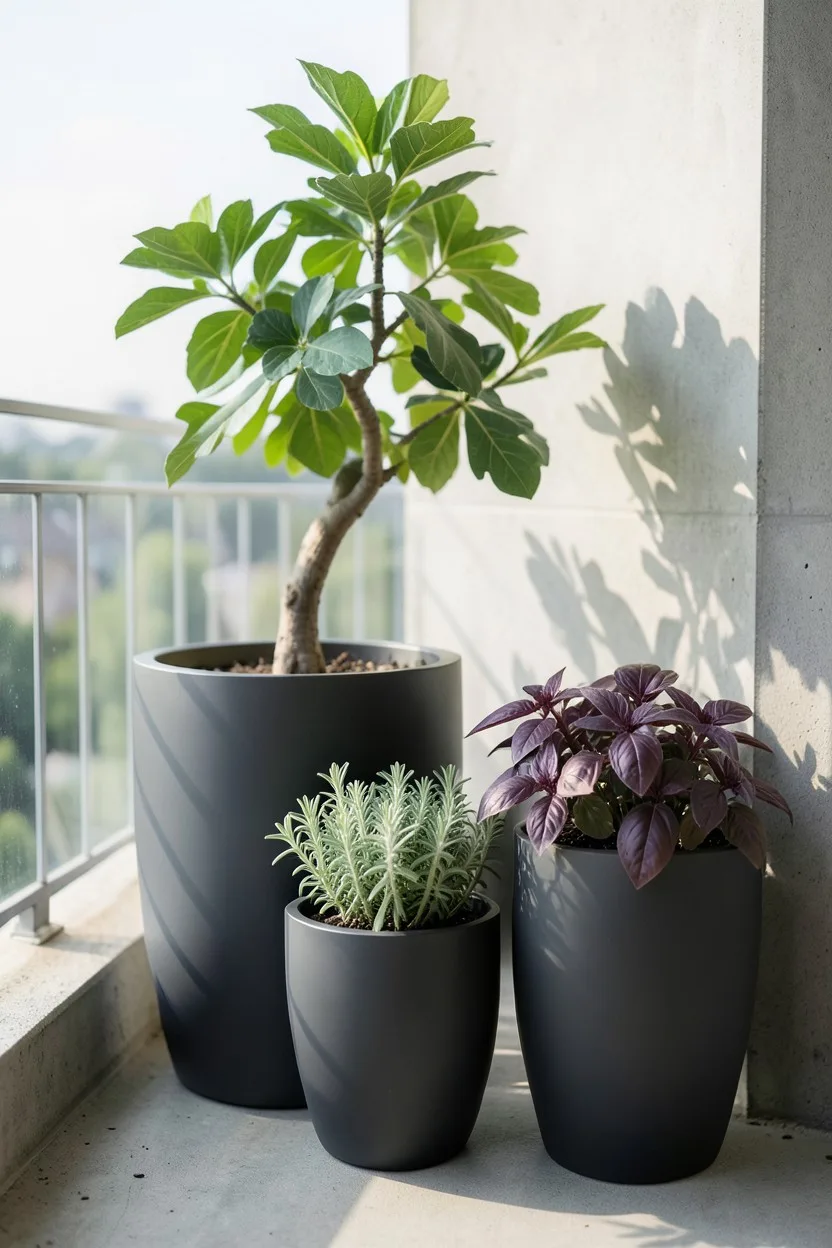
The fastest way to make a small balcony look messy is buying twenty mismatched plastic pots from the clearance rack. Instead, commit to a strict color story using charcoal gray fiberstone planters. Fiberstone mixes fiberglass durability with real stone powder, giving you the architectural weight of concrete without structural balcony risk.
Group three specific sizes together in a tight corner cluster: a 16-inch tall cylinder, a 12-inch medium pot, and a wide 14-inch low bowl. Fill the tallest container with a structural plant like Tuscan kale or a dwarf patio fig tree to establish an immediate focal point.
Fill the remaining mid-sized pots with soft textures like standard culinary sage and purple basil to contrast the dark, minimalist stone. This clean repetition mimics high-end hotel design while keeping the root zones insulated.
💡 Tip: Line the bottom of fiberstone pots with an inch of empty plastic water bottles instead of heavy gravel to keep the setup lightweight.
Best For
2. Vertical Tiered Ladder Shelving for Herbs
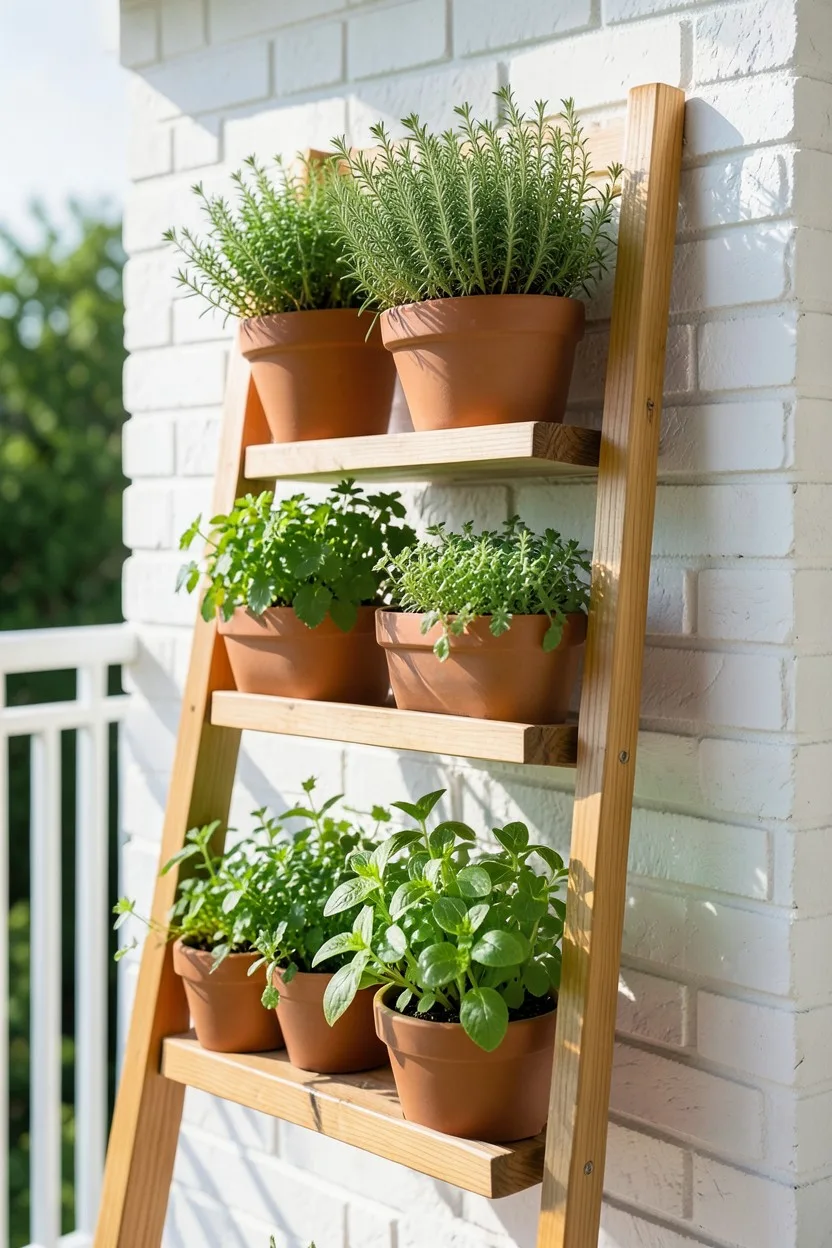
When floor space is scarce, your only real option is to build upward against an interior wall. Avoid flimsy wire baker's racks that rust within a season. Buy a solid cedar or teak ladder shelf with slatted bottoms that let excess water drain freely down through the levels.
Dedicate this entire structure to high-rotation kitchen herbs that you use daily. Place sun-loving, drought-tolerant varieties like Greek oregano, creeping thyme, and upright rosemary on the very top tier where light is most intense.
Reserve the lower, slightly shaded tiers for moisture-loving culinary staples like Italian flat-leaf parsley, cilantro, and sweet mint. Keep each herb variety in its own 8-inch unglazed terracotta pot to control invasive root spreading.
3. Railing-Mounted Saddle Planters for Trailing Nasturtiums
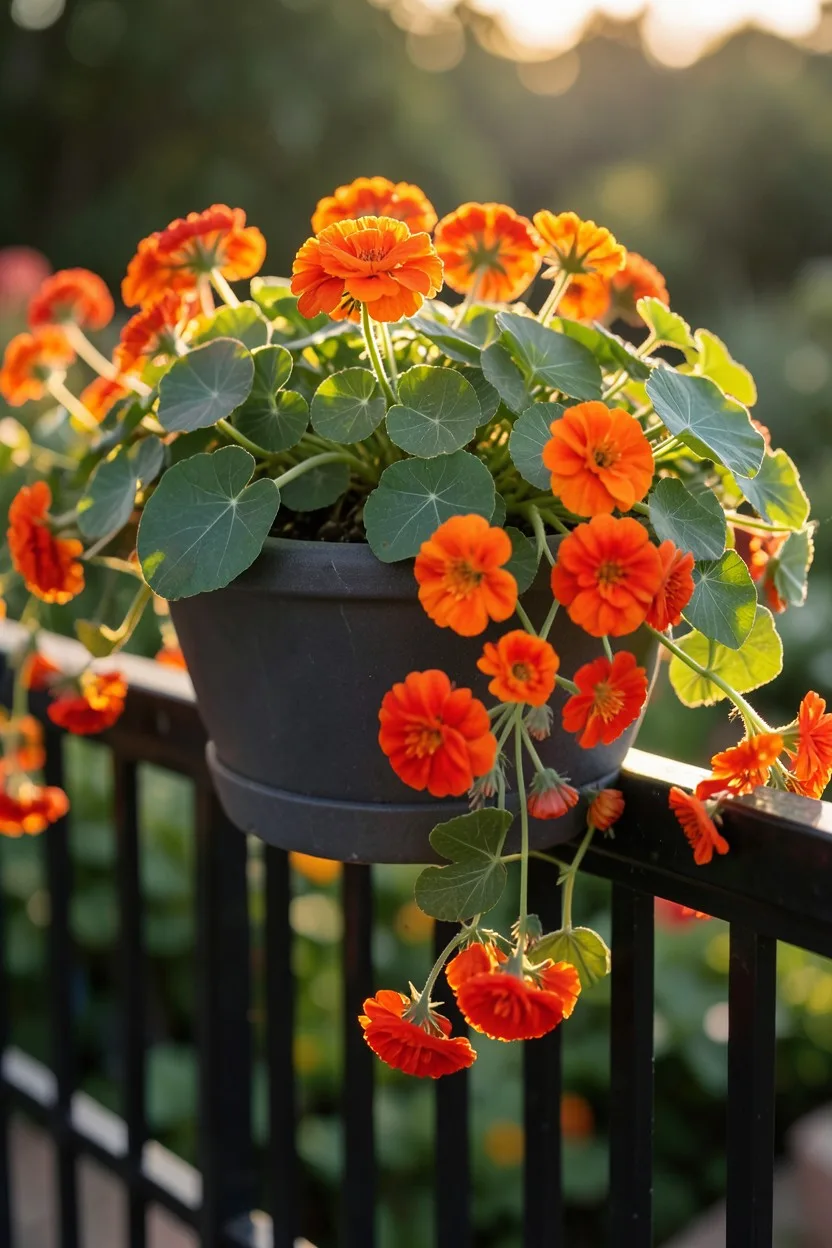
Do not leave your balcony railings bare when they can actively screen out nosy neighbors. Skip the cheap plastic over-the-rail pots that wobble in strong gusts. Source heavy-duty, self-mounting resin saddle planters designed to straddle a standard 4-inch or 6-inch wide metal rail securely.
Direct sow Jewel Mix nasturtiums straight into these rail planters in early spring. Nasturtiums flourish in tight, restricted root spaces and do not require expensive specialty fertilizers to pump out massive amounts of growth.
As the vines grow, gently train them to weave through the lower vertical bars of your railing. Within two months, you will have a dense, living screen of circular jade-green leaves and edible, peppery orange blossoms that blocks the street view.
🌱 GROWING TIP
Stop Feeding Your Nasturtiums
If you apply high-nitrogen fertilizer to nasturtiums, they will grow massive leaves but zero flowers. Starve them slightly in plain potting soil for maximum blossom production.
4. EarthBoxes for High-Yield Patio Tomatoes
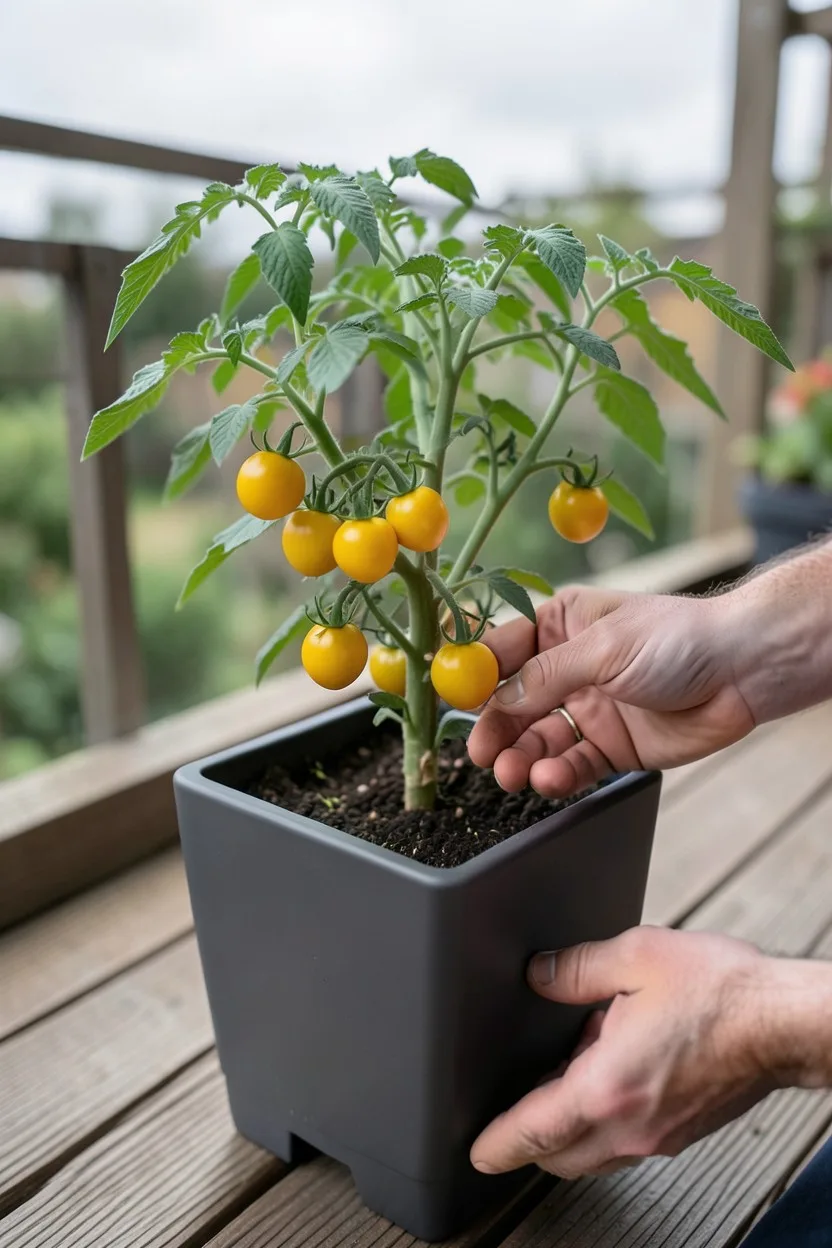
Everyone wants to grow juicy tomatoes on a balcony, but regular pots are a recipe for blossom end rot due to inconsistent watering. The solution is using an authentic EarthBox sub-irrigated planter system. This specific setup features a 3-gallon water reservoir beneath the soil footprint.
Plant exactly two determinate dwarf tomato varieties, such as Patio Choice Yellow or Micro Tom, into a single EarthBox unit. Fill the chamber with a high-quality peat-based potting mix, add the specified fertilizer strip, and cover with the included black mulch mask.
Your only job is keeping that bottom water reservoir full by pouring water down the fill tube every morning. The soil automatically wicks up precise moisture, giving you massive tomato yields without splitting skins.
5. Self-Watering Troughs for Crisp Salad Greens
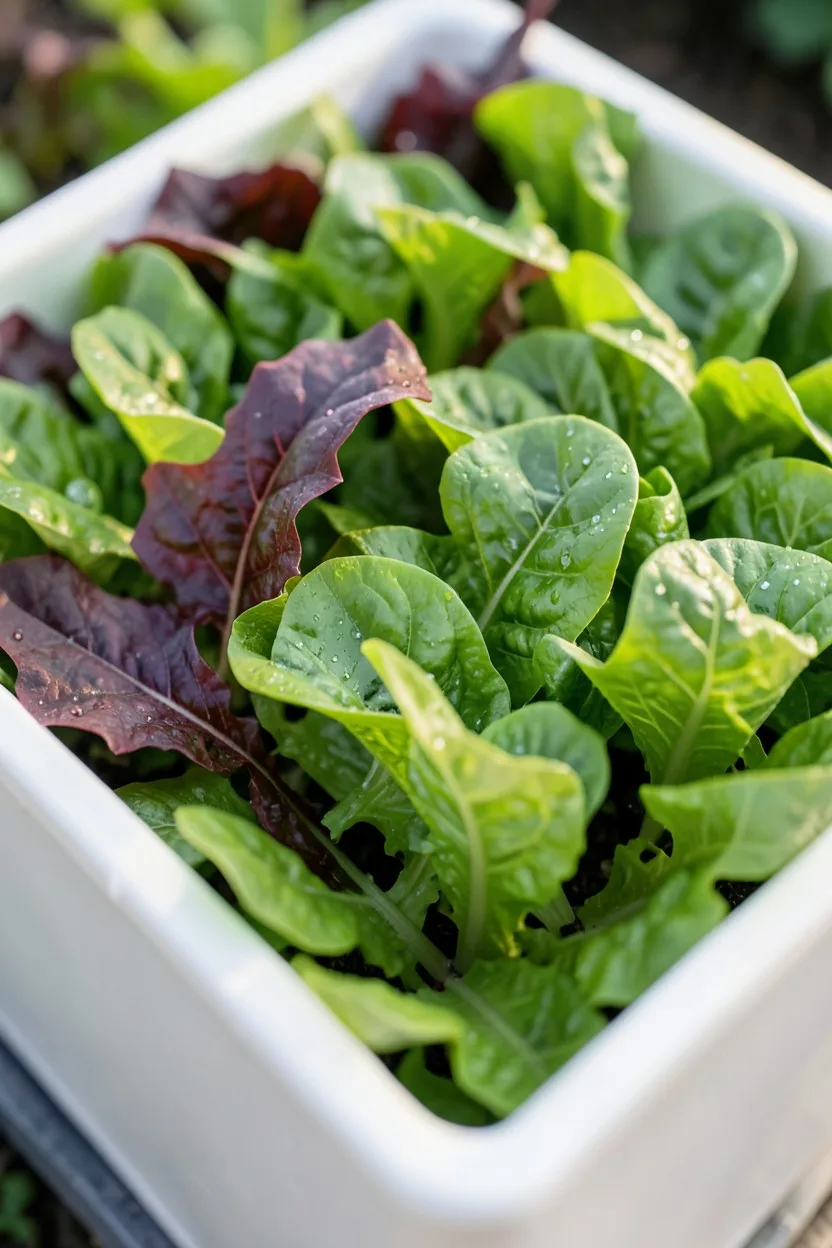
Growing loose-leaf lettuce in standard pots is frustrating because the shallow root systems bake under concrete balcony heat. Use a 24-inch long, self-watering rectangular window box trough placed directly on the floor along the shaded base of your balcony wall.
Pack the trough with an organic potting soil blended with 20% vermiculite to retain clean moisture. Direct sow a continuous salad blend like the organic Mesclun Mix from Botanical Interests, spacing seeds half an inch apart.
Harvest using the cut-and-come-again method by clipping the outer leaves with sharp garden snips when they hit four inches tall. The integrated water reservoir keeps the delicate roots perfectly cool, preventing the lettuce from bolting into bitter stalks.
Balcony Salad Trough — At a Glance
🌡️ Season
Cool (45–65°F)
🌱 Sowing Method
Direct sow seeds
☀️ Sun Needs
Partial shade (3–4 hrs)
✂️ Harvest Type
Cut-and-come-again
Space Efficiency
Produces up to three full salad harvests per month from a single two-foot floor trough.
6. Smart Fabric Smart Pots for Heavy Root Crops
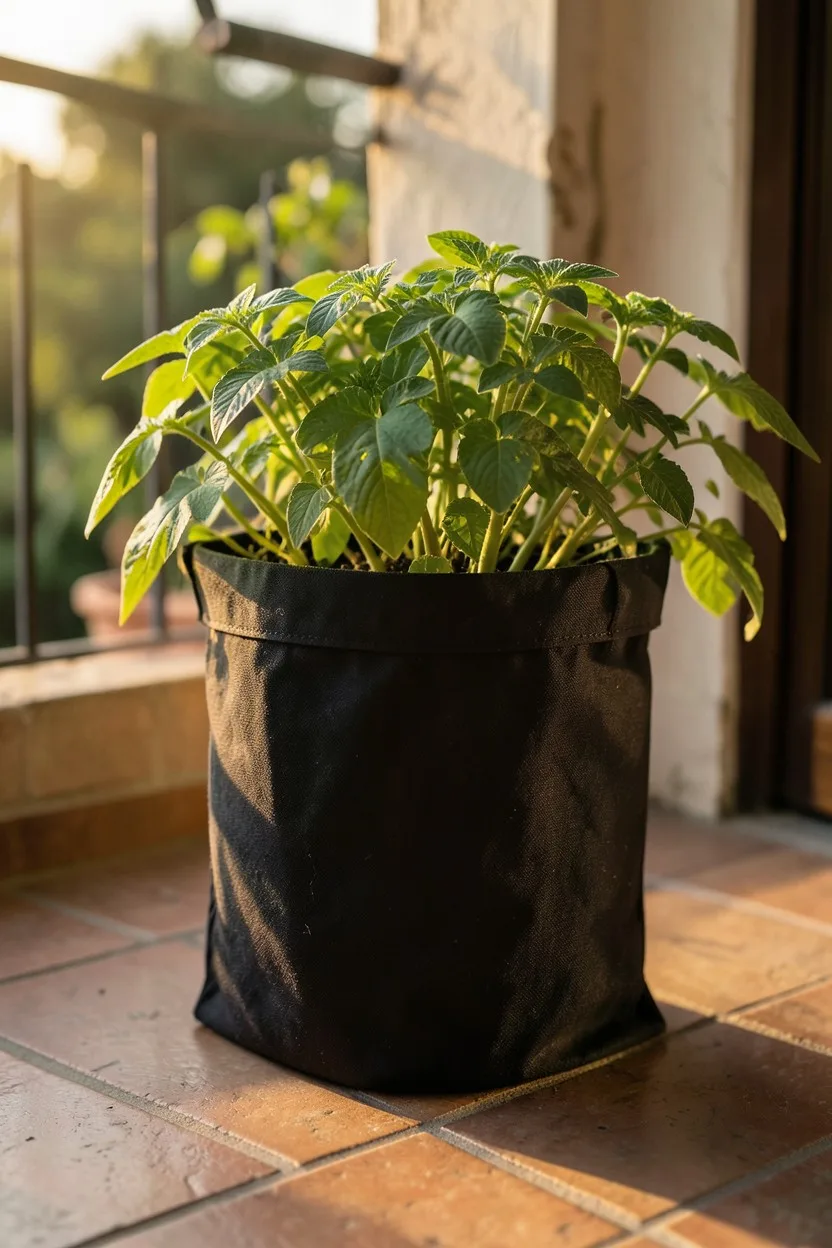
You might think potatoes and deep carrots are impossible in small spaces, but breathable fabric grow bags change the game completely. Buy genuine 7-gallon Smart Pots made from porous, heavy-duty geotextile fabric that allows roots to air-prune naturally.
Traditional plastic pots cause roots to circle the edges until the plant chokes itself out. In a fabric Smart Pot, the root tips meet the air at the fabric wall, stop growing, and trigger the plant to send out thousands of fibrous feeder roots.
Fill a 7-gallon bag with a loose mix of 50% potting soil and 50% well-rotted compost. Plant three seed potato chunks of a compact variety like Yukon Gold, rolling the fabric sides down initially and pulling them up as you add soil over the growing stems.
7. Wall-Mounted Felt Planters for Living Strawberries
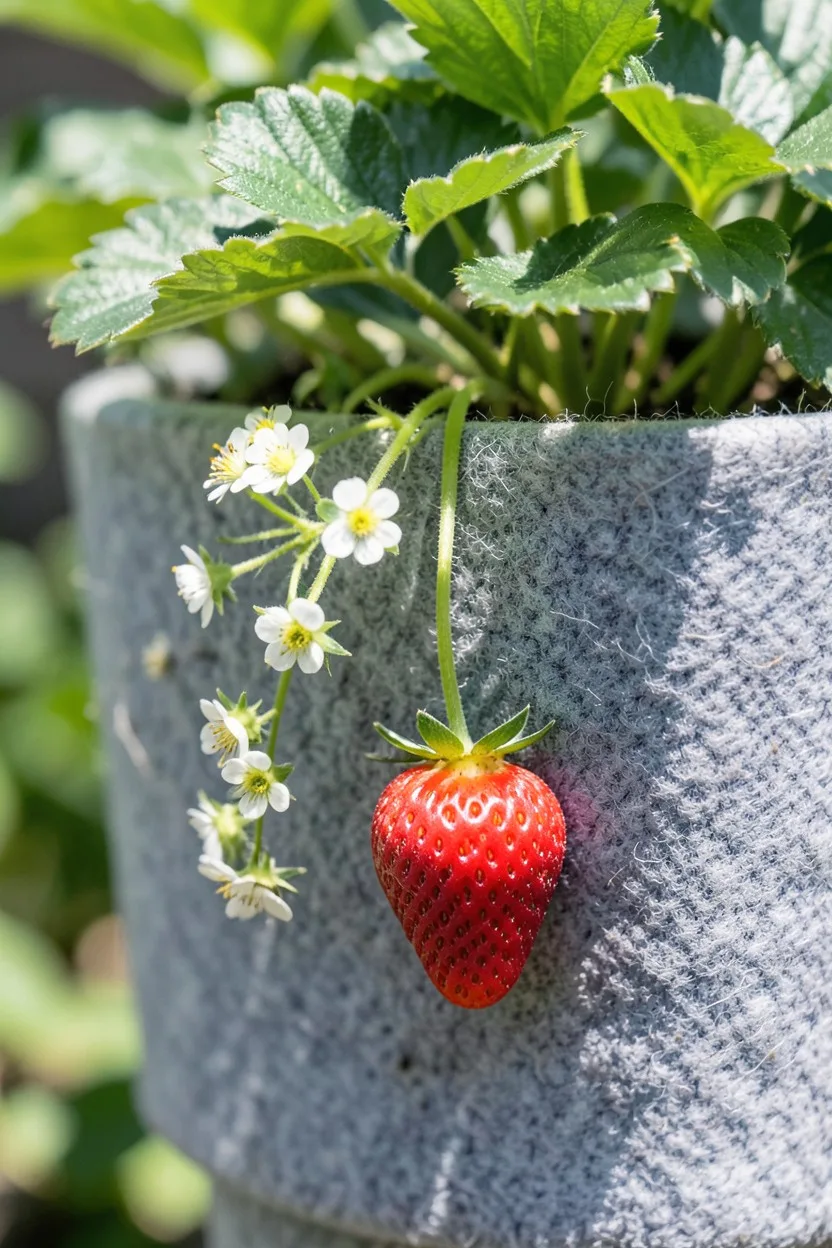
Instead of wasting precious floor space on wide strawberry jars, bolt a modular felt vertical pocket planter directly to your strongest balcony wall. Look for brands made from thick, recycled PET felt pockets lined with waterproof backing to protect your building exterior.
Plant one June-bearing strawberry bare-root runner, such as the high-flavor Albion variety, into each individual fabric pocket. Use a soil mixture heavy in organic compost and a handful of coco coir to keep the vertical channels light.
The hanging position keeps the developing sweet red fruit completely off the wet ground, preventing standard gray mold rot. It also puts the berries at eye level, making it incredibly easy to harvest them before birds notice your crop.
⚠️ COMMON MISTAKE
Don't Forget the Wall Barrier
Never mount cheap felt pockets directly to drywall or raw wood siding without a plastic backing sheet. Over time, moisture will seep through and ruin your apartment exterior wall.
8. Heavy Terracotta Urns for Drought-Tolerant Rosemary
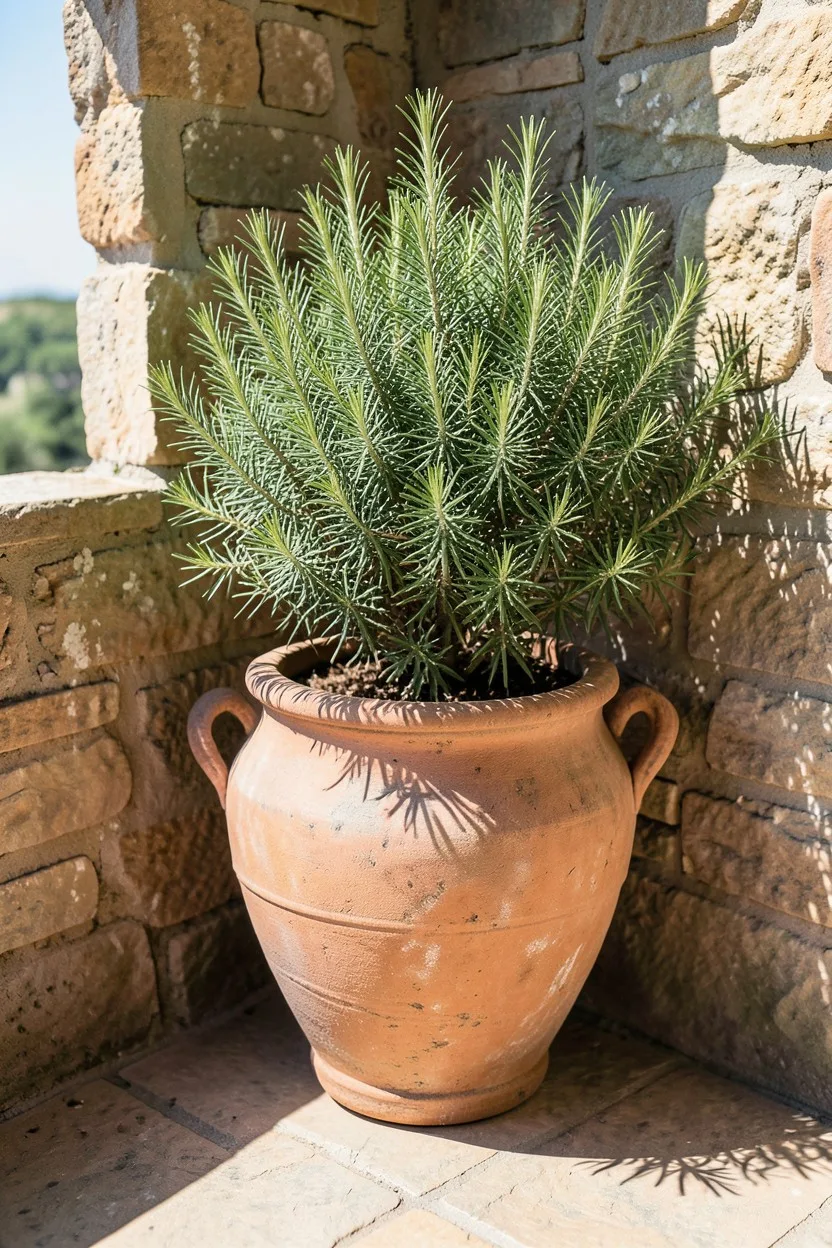
Windy balconies act like high-speed dehydrators for tender container plants. For the most exposed, sun-scorched corner of your ledge, lean into Mediterranean survivalists. Buy one authentic, heavy Italian terracotta oil jar or wide-rimmed pot.
The porous clay wall of real terracotta allows oxygen to penetrate deep into the root zone while evaporating standing water quickly. This is precisely what woody, Mediterranean perennials require to prevent devastating root rot.
Plant a single upright Arp rosemary bush in this container using a custom potting soil amended with 30% coarse horticultural sand. This setup can handle intense midday heat waves and strong urban wind gusts without tipping over or drying out.
9. Galvanized Metal Bushel Tubs for Bush Cucumbers
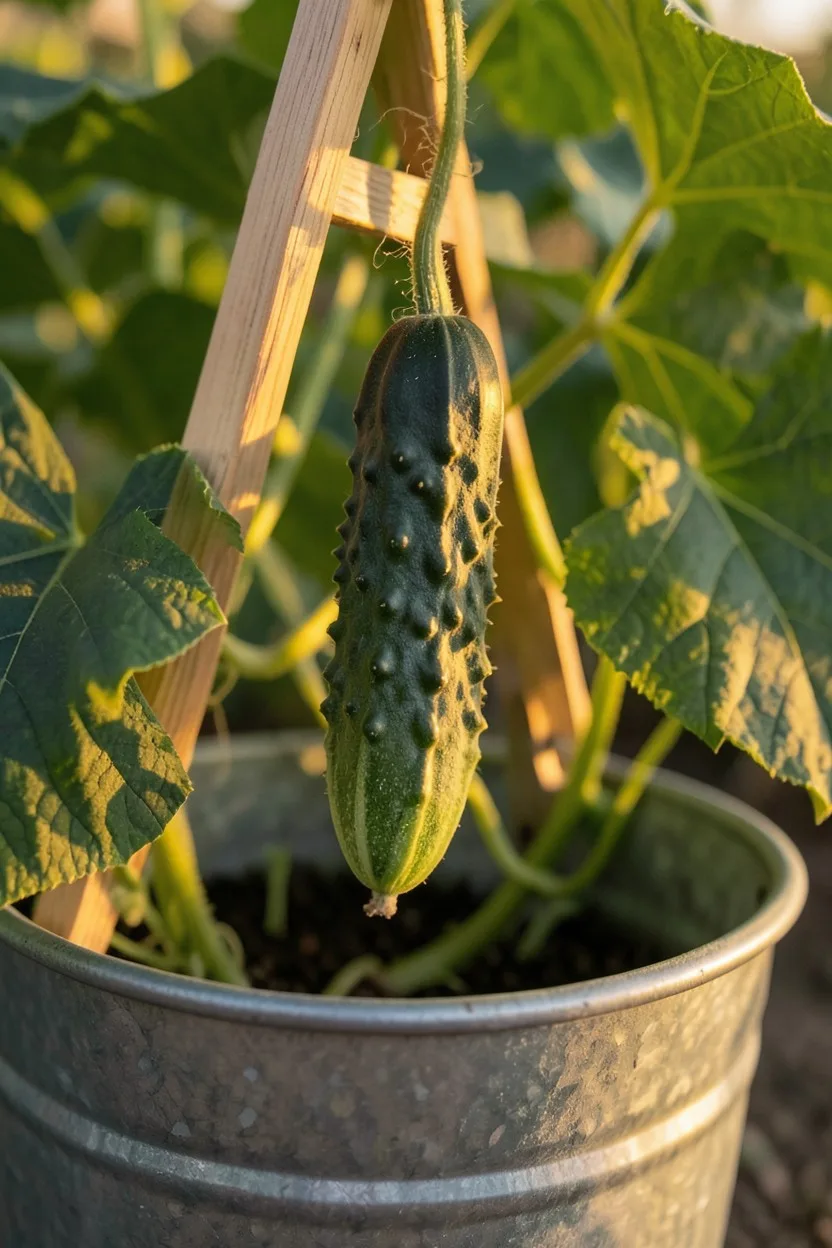
If you want to grow cucumbers but lack space for massive twelve-foot vines, look for specific bush cultivars. Select a Spacemaster or Bush Champion cucumber variety, and plant them inside a vintage-style 15-gallon galvanized steel tub.
You must drill at least eight half-inch drainage holes through the bottom of the metal tub using a cobalt drill bit before adding soil. Elevate the metal tub off the concrete balcony floor using rubber pot feet to ensure water flows out cleanly.
Insert a short, 3-foot A-frame wooden trellis directly inside the tub. The compact bush vines will climb the low support structure easily, keeping the heavy cucumbers clean and suspended rather than sprawling across your walking space.
10. Japanese Iznik Ceramic Bowls for Floating Water Lilies
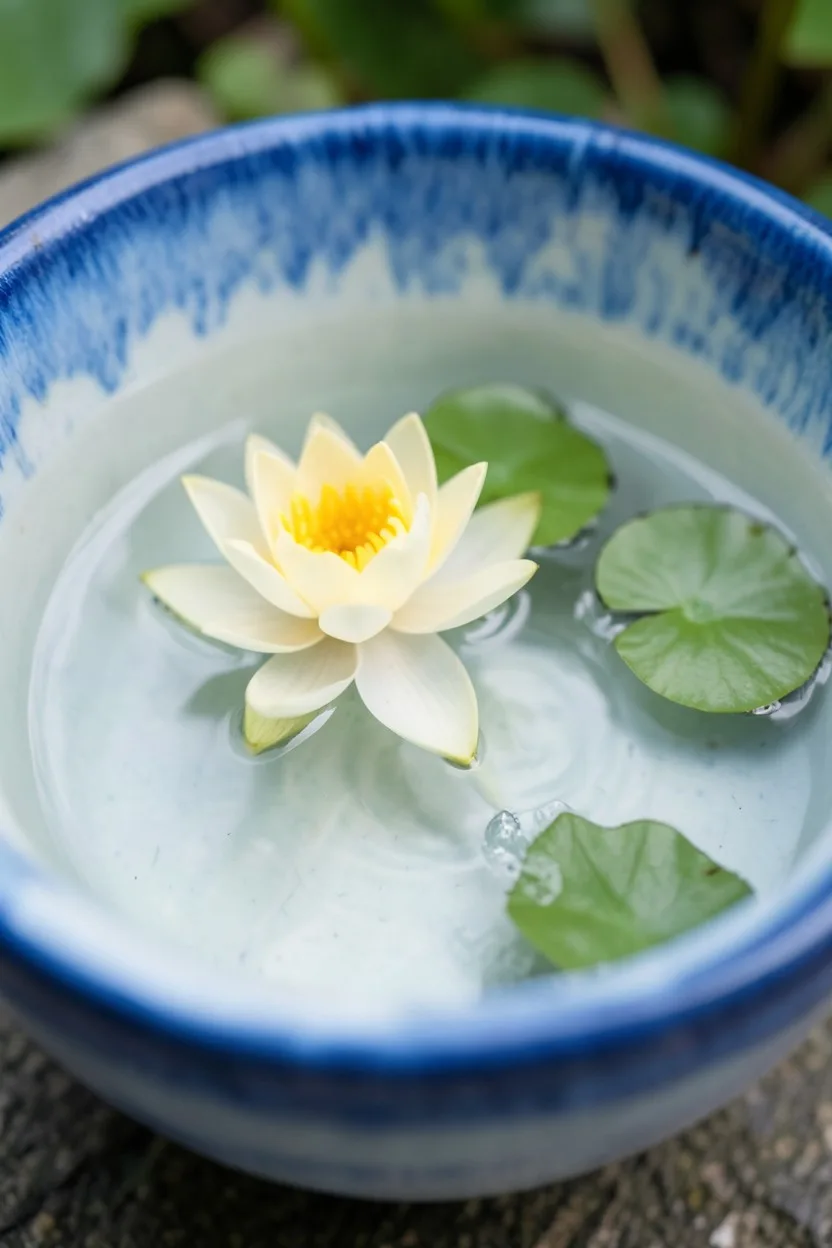
A container garden does not have to be limited to dry soil environments. You can easily create a miniature aquatic ecosystem using a heavy, glazed ceramic Iznik bowl or Asian fish bowl that has no bottom drainage holes.
Place the bowl in a spot that gets at least five hours of clean sunlight. Drop in a single dwarf water lily variety, like Helvola, which is specifically cultivated to grow in water depths of only six to ten inches.
Anchor the water lily roots in a small plastic aquatic mesh basket filled with heavy garden clay, topped with pea gravel to keep the soil down. This adds an incredible sense of calm and a stunning reflective surface to your urban layout.
Balcony Pot Choices: Plastic vs. Glazed Ceramic
Cheap Plastic Pots
- Fades and cracks under intense UV sun exposure within one season
- Too lightweight; easily blows over during high-altitude wind storms
- Traps stagnant water easily, leading to rotted herb roots
Glazed Ceramic Pots
- Thick clay walls insulate fragile roots from extreme temperature swings
- Heavy base prevents top-heavy plants like tomatoes from tipping
- Retains rich color and adds high-end architectural style for decades
11. Cedar Window Boxes Drilled to the Base Railing
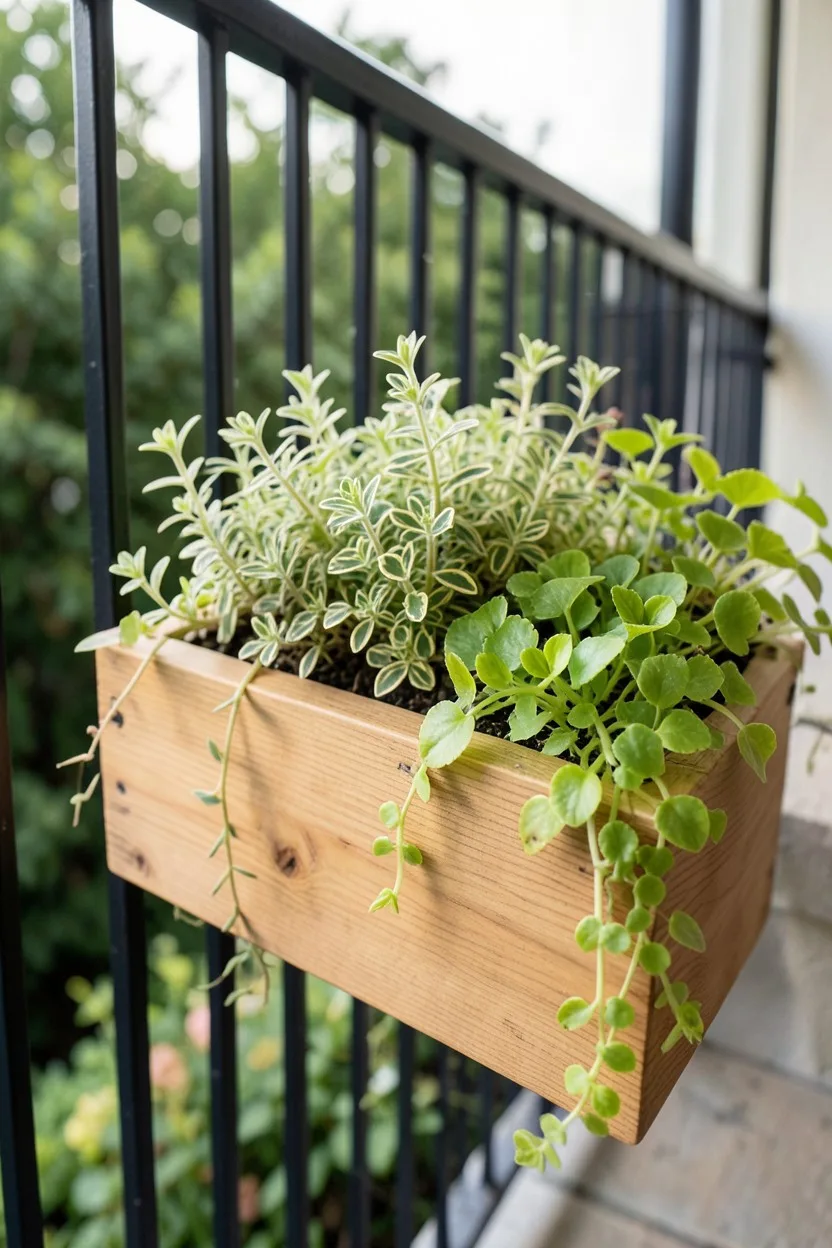
Many apartments strictly ban over-the-rail planters due to liability concerns over falling objects. Work around this safety rule safely by placing a 36-inch natural cedar window box directly on the balcony floor, flush against the inner base of the railing.
Thread heavy-duty stainless steel U-bolts around the vertical railing bars and right through the back panel of the wood box. This structural reinforcement guarantees the planter can never tip inward or slide outward during intense storms.
Plant a vibrant mix of Tri-Color sage, variegated lemon thyme, and trailing golden creeping Jenny. The plants will grow outward through the open bottom bars of the railing, giving you a beautiful street-facing view without creating a safety hazard.
12. Tall Resin Columns for Dramatic Cascading Peppers
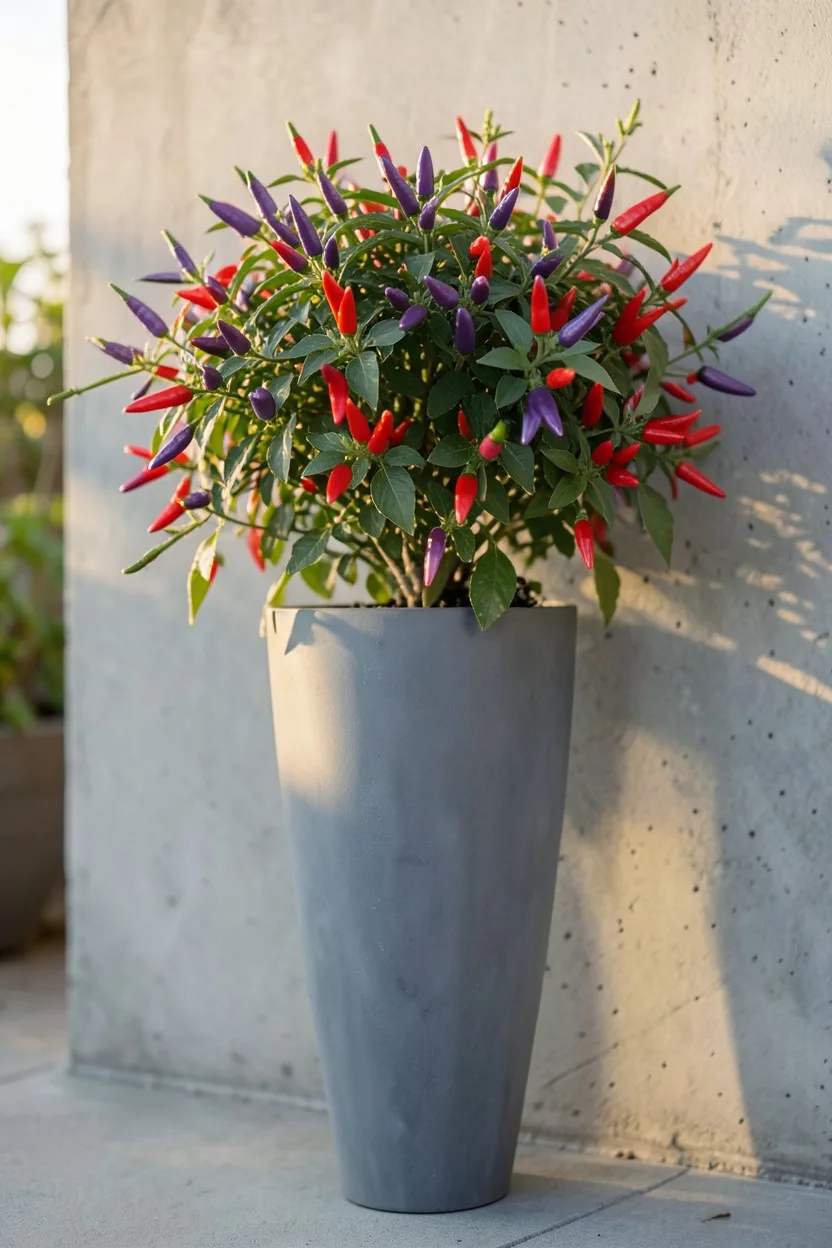
To break up the visual monotony of low-lying floor planters, you need distinct height variations. Invest in a pair of 28-inch tall, tapered square resin columns finished in a sleek, faux-concrete slate texture.
Resin columns look expensive and heavy but are completely hollow, making them easy to move when rearranging your layout. Fill the bottom half with compressed empty plastic milk jugs to conserve your premium potting mix.
Plant a weeping ornamental pepper like the Black Pearl or Basket of Fire variety at the center. The deep purple leaves and hundreds of small, ripening hot red peppers will cascade down the dark walls of the column like a living sculpture.
13. Self-Watering Stackable Towers for Clean Strawberries
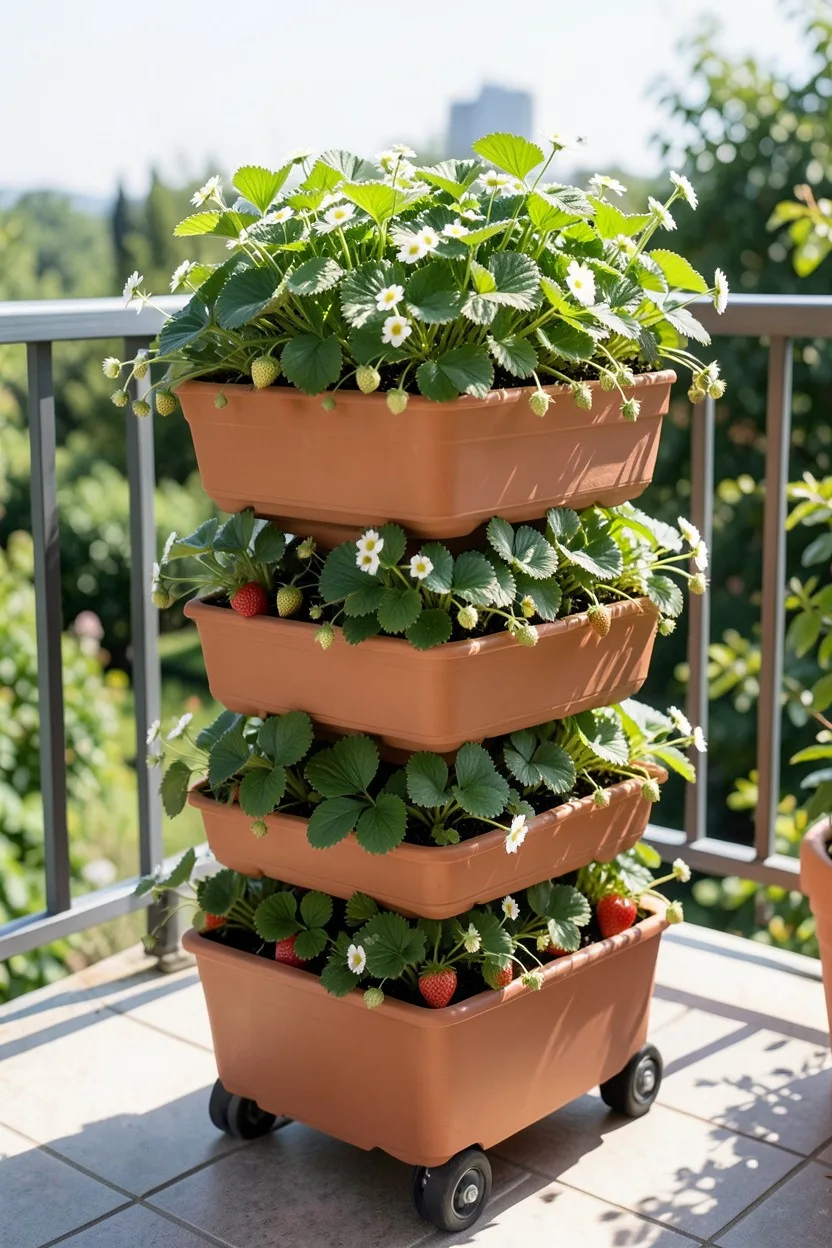
If you want to maximize your crop output per square inch, standard horizontal rows are an inefficient use of limited balcony space. Buy a vertical stackable planting tower system like the GreenStalk, which features five interlocking tiers.
This patented engineering marvel distributes water evenly from a top reservoir down through a central inner column, feeding every single pocket simultaneously. This completely avoids the issue where top plants dry out while the bottom roots drown.
Dedicate thirty separate pockets to sweet Seascape strawberries. The vertical orientation keeps the ripening fruit high up off dirty floor surfaces, ensuring clean, blemish-free berry harvests throughout the entire summer season.
💡 PRO TIP
Put Heavy Towers on Wheels
A fully watered 5-tier vertical tower can weigh over 150 pounds. Always place your tower on a heavy-duty rolling caster plant dolly before filling it with soil so you can rotate it easily for even sun exposure.
14. Black Wire Wall Grids for Climbing Sugar Snaps
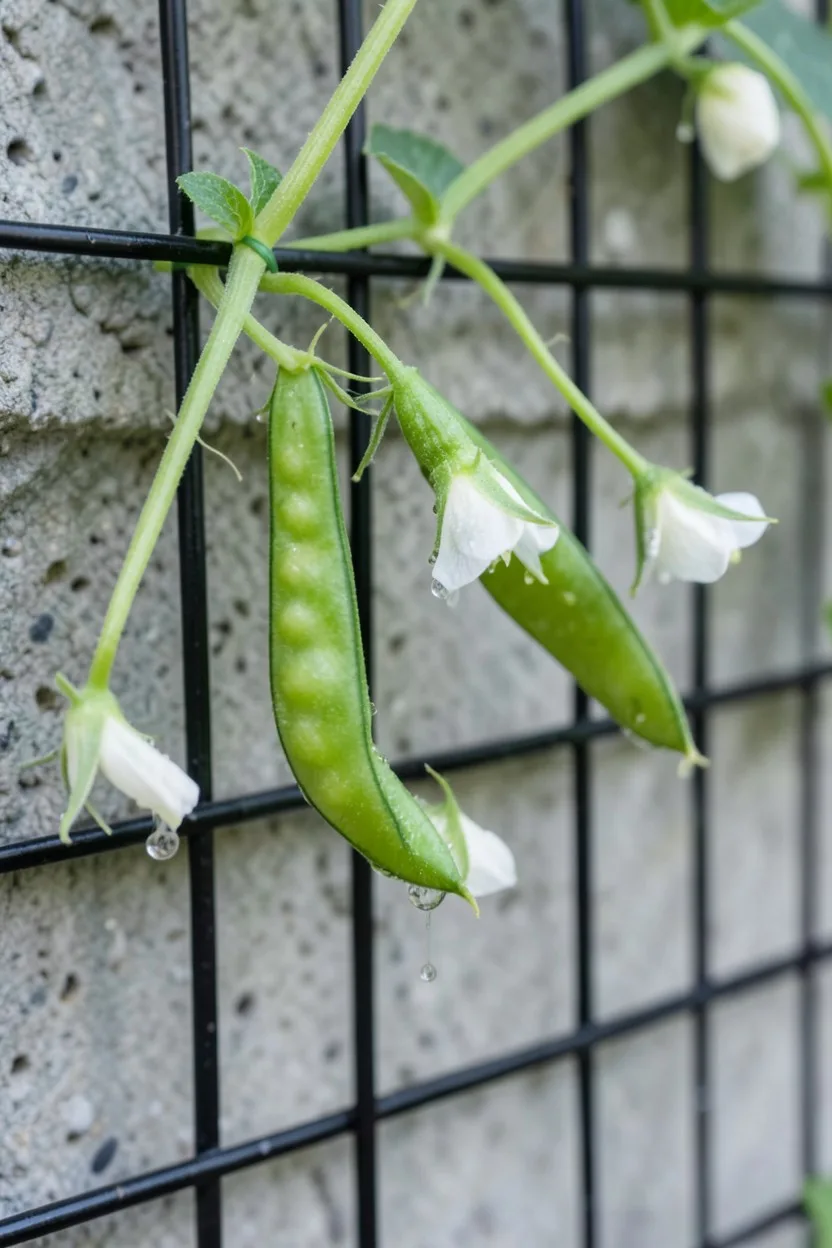
Do not leave your apartment walls bare when they can easily double as a vertical vegetable production zone. Mount a heavy-duty, powder-coated black wire grid panel directly to your brick or concrete wall using masonry anchor screws.
Position a long, 24-inch rectangular resin planter right at the base of the wire grid panel. Fill it with an organic potting mix fortified with a generous handful of bone meal to encourage strong, healthy root development.
Sow Sugar Daddy sugar snap pea seeds directly into the soil along the back edge. The delicate tendrils will latch onto the black wire grid naturally, creating a beautiful emerald green backdrop that yields sweet, crunchy snacks.
15. Deep Fabric Potato Sacks with Harvest Flaps
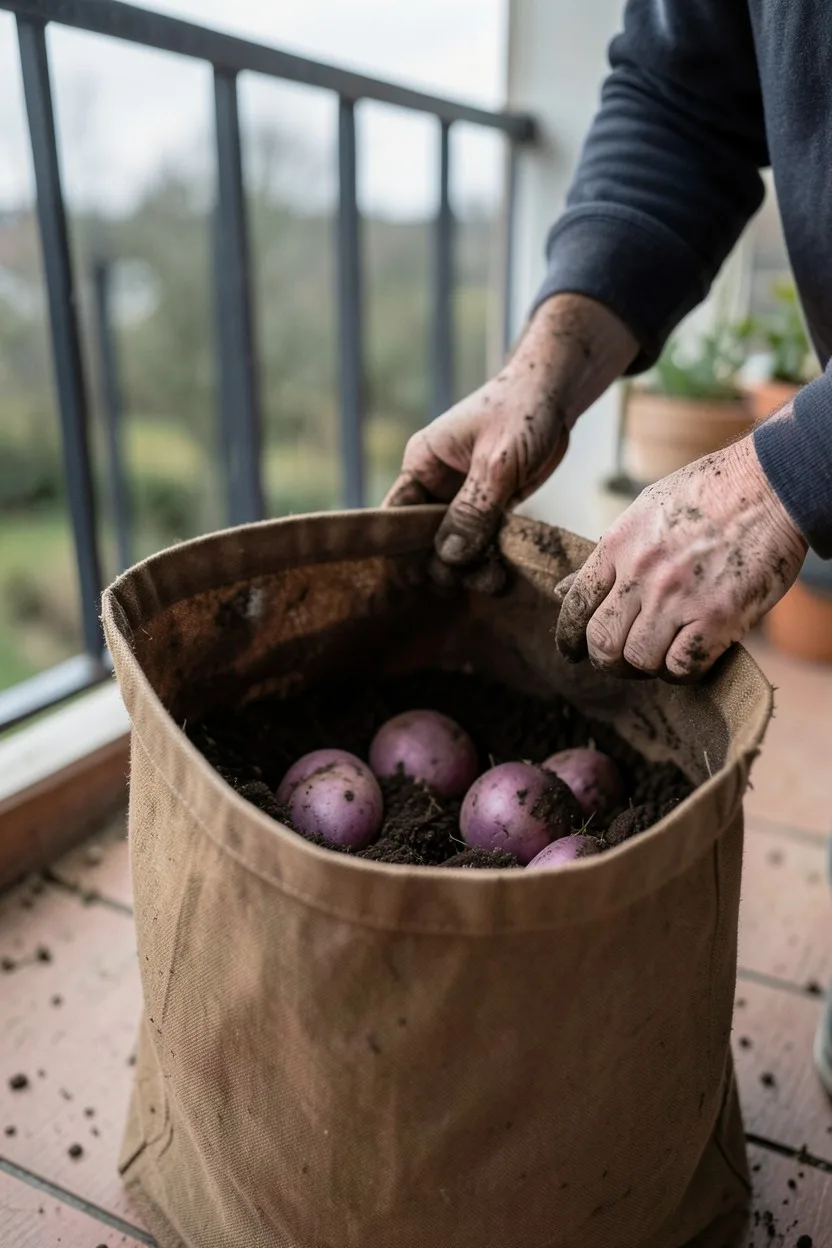
Tearing up an entire container plant just to harvest a few early fingerling potatoes is incredibly frustrating. Buy specialized 10-gallon heavy-duty fabric potato grow bags that feature a built-in hook-and-loop harvest window flap at the bottom base.
This clever flap allows you to pull back the fabric wall, reach directly into the root zone to harvest mature potatoes, and seal it back up without disturbing the main plant growth above.
Plant a high-yield heirloom variety like Purple Majesty. The breathable geotextile fabric completely prevents heat stress inside the container, giving you a steady supply of gourmet potatoes right from your balcony floor.
16. Glazed Blue Ceramic Cylinders for Pollinator Marigolds
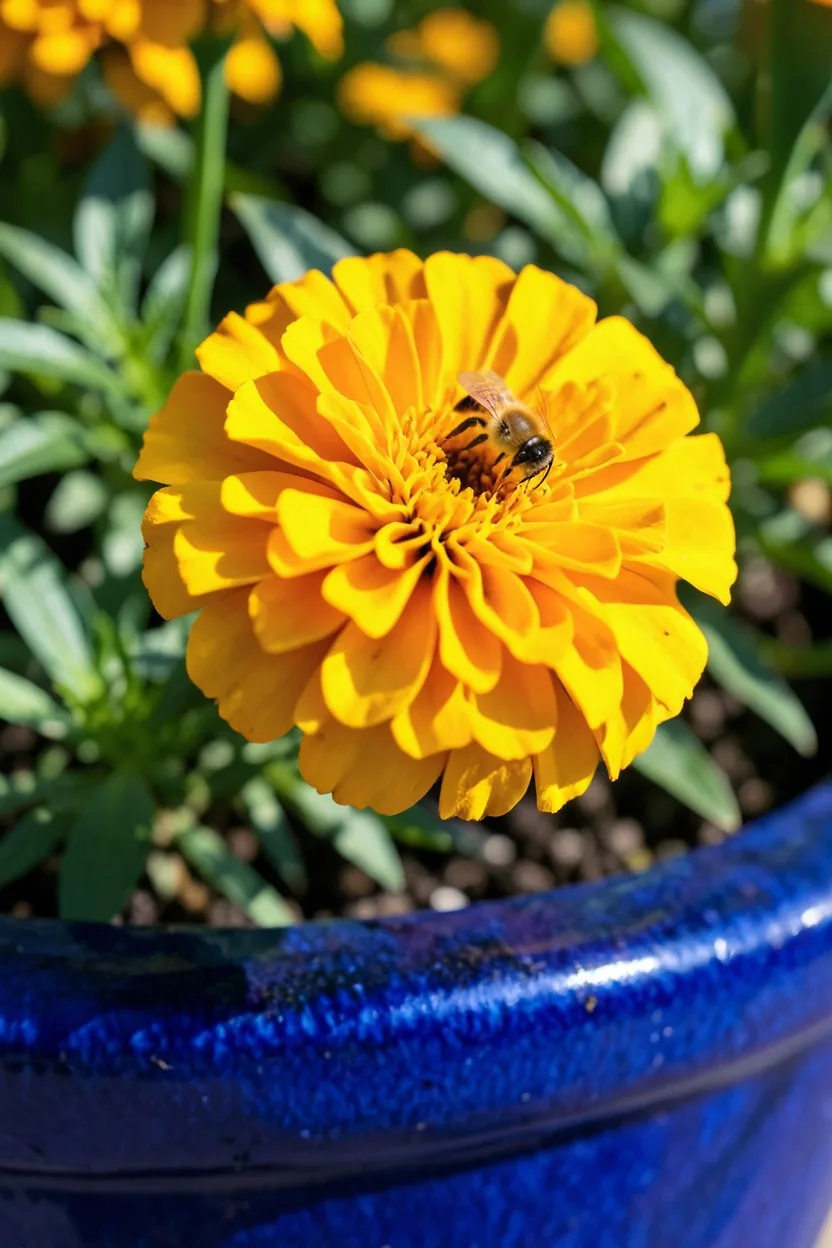
A purely edible balcony garden can look a bit sterile without a deliberate pop of bold floral color. Position a striking, cobalt blue glazed ceramic cylinder planter right next to your heavy fruiting tomato and cucumber setups.
Fill this vibrant container with a dense planting of French marigolds, specifically the Durango Yellow variety. These compact beauties stay under ten inches tall and continuously pump out highly aromatic, double-layered golden blooms.
The bright yellow flowers contrast beautifully with the deep cobalt blue glaze of the pot. More importantly, the pungent marigold blooms actively draw local bees to your balcony, ensuring your nearby cucumbers get thoroughly pollinated.
17. Low Concrete Bowls for Aromatic Micro-Bush Basil
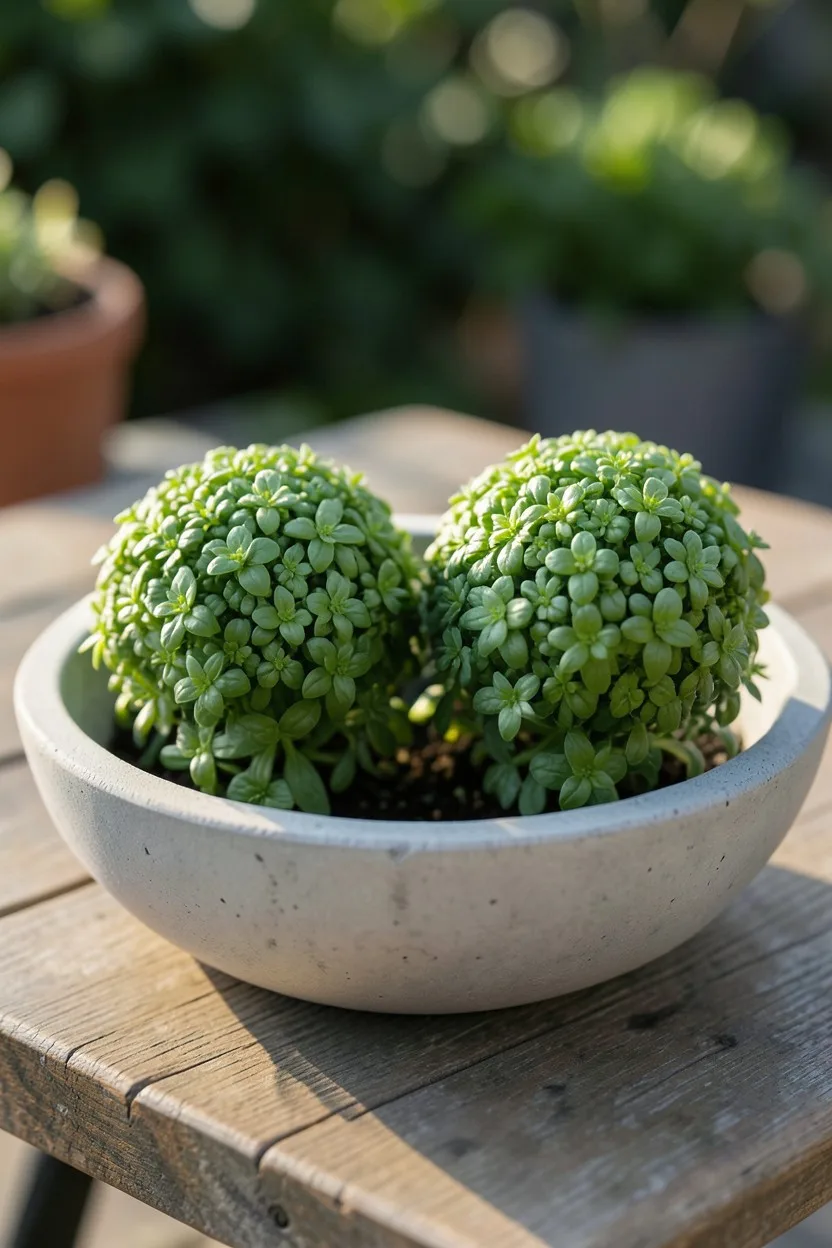
Standard sweet Genovese basil quickly becomes leggy, woody, and unappealing when restricted to tight container setups. Switch to a specialized dwarf culinary cultivar like Spicy Globe or Boxwood micro-bush basil.
Plant three of these compact globes into a low, wide, cast-concrete shallow bowl planter. This minimalist, industrial vessel provides an expansive soil surface area while maintaining a clean, modern aesthetic profile on your patio table.
The micro-bush basil grows naturally into a perfectly tight, dense green sphere without requiring constant pruning. Simply pinch off the tiny, fragrant leaves directly over your dishes for an instant hit of fresh herbal aroma.
18. Hanging Woven Coco-Fiber Baskets for Trailing Thyme
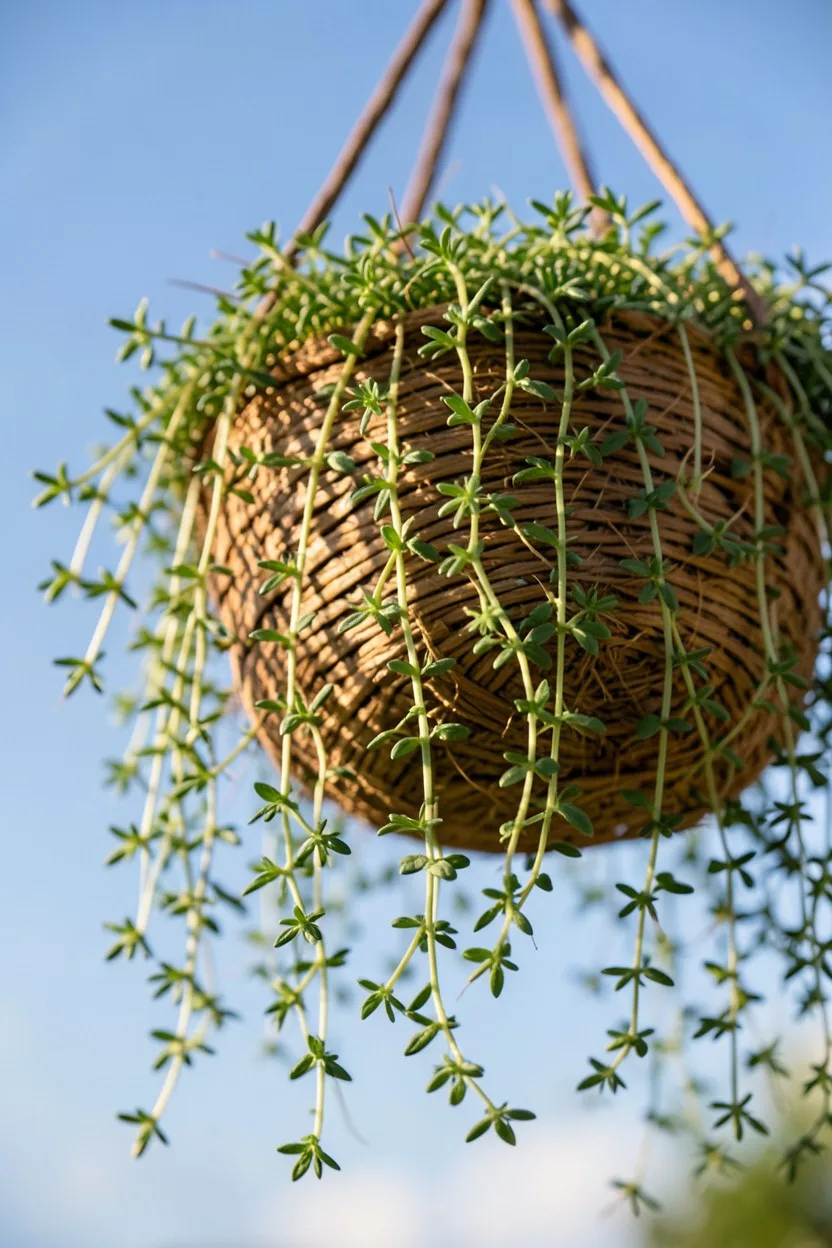
Do not let your upper balcony ceiling hooks go to waste when they can support cascading visual elements. Hang a heavy-gauge steel basket lined with a thick, natural coconut coir fiber liner directly from your overhead structural beams.
Coco-fiber liners provide exceptional air drainage, preventing the soil from souring, though they do require daily checking during peak summer heat waves. Plant trailing varieties like English thyme or German winter thyme around the outer perimeter.
The delicate woody stems will cascade directly over the rough woven edges, creating a beautiful two-foot curtain of aromatic foliage. This setup keeps the low-growing herb completely clean and easily accessible for quick kitchen clipping.
19. Whiskey Barrel Halves for Deep-Rooted Bush Zucchini
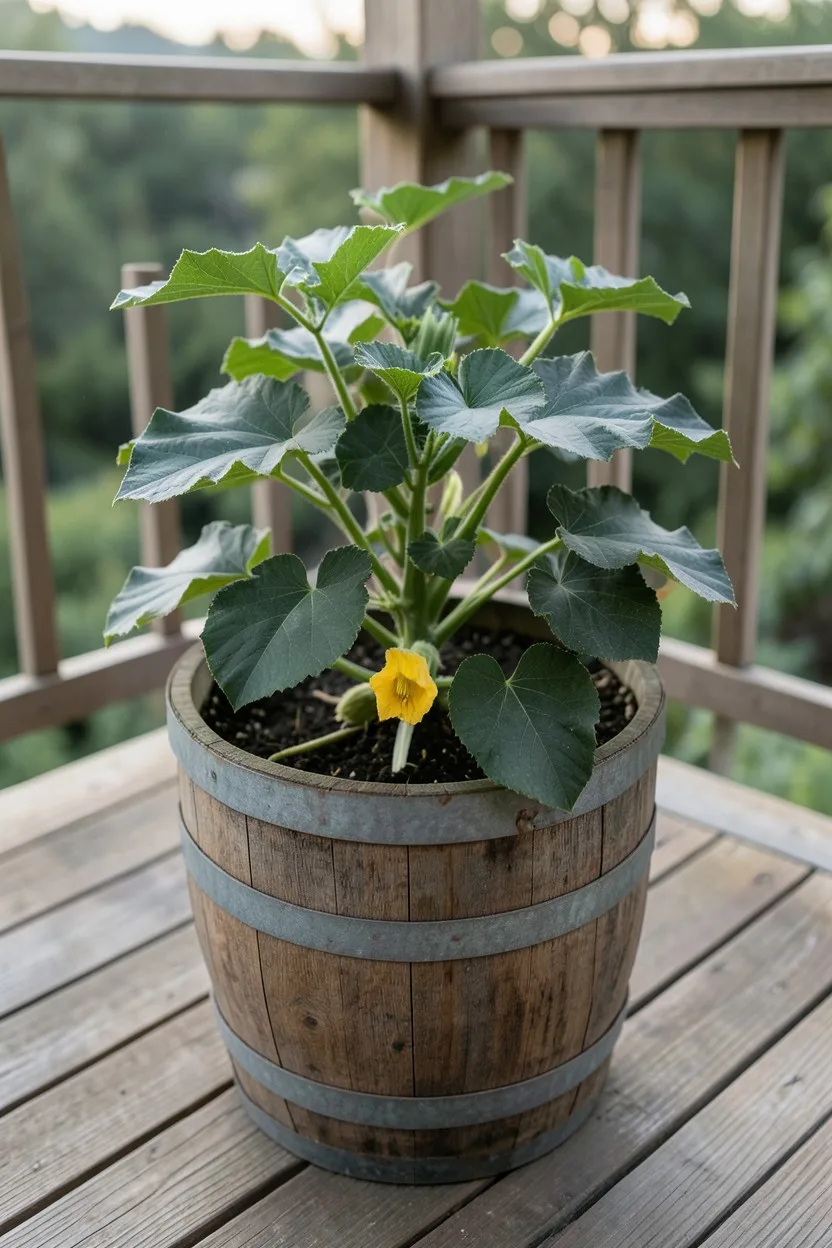
Standard zucchini varieties are notorious space hogs that will easily swallow an entire small balcony footprint. Avoid the massive vining types and opt for a specialized, compact bush cultivar like Green Bush or Astia zucchini.
Plant a single bush zucchini seed at the center of a 24-inch wide faux-wood resin whiskey barrel half. This deep vessel provides the massive root volume and heavy nutrient soil base that hungry squash plants require to fruit successfully.
The compact, non-vining stems will stay neatly contained within the diameter of the barrel hoop. This allows you to harvest plenty of tender, homegrown summer squash without blocking your paths or crowding out your other container setups.
20. Unfinished Redwood Boxes for Prolific Alpine Strawberries
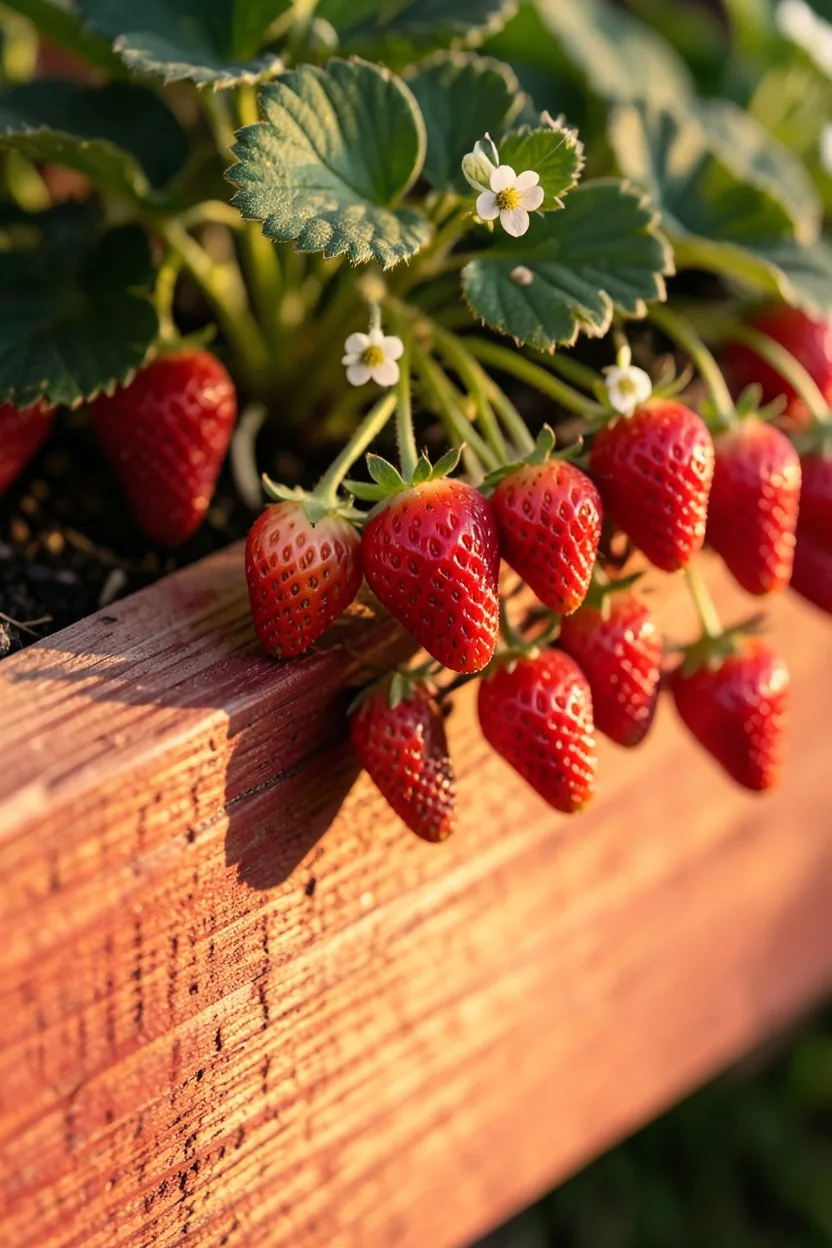
Unlike standard hybrid strawberries that stop producing after a few weeks, wild Alpine strawberries fruit continuously from spring until the first winter freeze. Plant them inside a long, unfinished rough-sawn redwood planter box.
Natural redwood contains native oils that resist rot and insect damage without requiring toxic chemical stains. Space four Alexandria Alpine strawberry plugs six inches apart directly in the box, using an acidic, peat-heavy soil blend.
These compact clumping plants do not send out messy, chaotic runners like regular strawberries. Instead, they produce a non-stop supply of tiny, intensely aromatic berries that taste exactly like gourmet tropical candy.
This continuous production makes them a perfect permanent fixture for small-scale balcony spaces.
🪜 How to Build Your Balcony Garden
Weight Verification
Review your apartment lease or building code to confirm the maximum allowable weight capacity per square foot.
Container Sourcing
Purchase cohesive fiberstone or resin planters in varying heights to create a structured visual palette.
Drainage Setup
Drill half-inch drainage holes into every container and place deep rubber saucers underneath to catch excess runoff.
Soil Blending
Fill vessels with a lightweight organic potting mix amended with 20% perlite for optimal root aeration.
Vertical Anchoring
Secure all tall trellises and climbing wall grids directly to structural building elements using heavy zip ties.
Frequently Asked Questions
How often do balcony containers need water?
During peak summer heat waves, exposed balcony containers often require watering twice per day. Because wind and concrete amplify ambient heat, shallow pots dry out rapidly compared to backyard beds. Always stick your finger two inches into the soil; if it feels dry, water thoroughly until it runs out the bottom drainage holes.
Can I reuse old potting soil next spring?
Never reuse potting soil blindly without refreshing it first. Container plants completely deplete the surrounding soil nutrients within a single growing season. Dump the old soil into a large tub, break up root clumps, and blend in 30% fresh organic compost and a balanced slow-release organic fertilizer before replanting.
What are the best plants for a very windy balcony?
Woody, low-profile Mediterranean herbs like rosemary, thyme, and Greek oregano handle heavy wind tunnels exceptionally well. Avoid large, top-heavy plants with broad leaves like standard corn or heirloom tomatoes, which easily tear or snap in high-altitude gusts unless heavily sheltered.
Do I really need saucers under every single pot?
Yes, deep drainage saucers are non-negotiable for apartment balcony layouts. Water running out of unsaucered pots carries dark soil tannins that will permanently stain your concrete patio floor and drip directly onto your neighbors' balconies below, creating major landlord issues.
Final Thoughts
If you only add one container setup from this list to your small space this season, make it the sub-irrigated EarthBox with dwarf tomatoes. Traditional pots simply do not hold enough consistent moisture to keep thirsty, sun-loving nightshades alive when surrounded by baking concrete walls. The integrated water reservoir completely removes the daily guesswork, ensuring your compact urban garden yields bowls of sweet fruit rather than withered leaves.
Maximize Your Small Space Yields
Download our comprehensive Urban Container Blueprint to get exact soil recipes and companion planting layouts designed specifically for tight apartment patios.

John Smith is the founder and CEO of Karaoke Machines Guru. He is a karaoke tutor and karaoke enthusiast and has been passionate about karaoke since he was a child. He also writes about karaoke-related tips, guides, and product reviews on this website.
He overlooks the whole website and makes sure that everything is running smoothly. Learn more!