
Thanksgiving is two days away. The turkey is ordered, the table is set, and somewhere in the house there is a quiet chair with your name on it. This is the best reading weekend of the year. Long evenings, no alarm clock, and a stack of books that will not let you put them down.
The nine books below all share one trick. Each one is told by a narrator you cannot trust. Some of them lie on purpose. Some lie by accident, because memory is a poor witness. A few are so sure of their own story that you only spot the cracks on the last page.
That is what makes them perfect for a long holiday weekend. You will argue with the narrator in your head. You will flip back to check a detail. And when the final twist lands, you will want to start the book again from page one.
Gift tip: these also make great presents for the reader in your life who thinks they have seen every twist coming. They have not.
How to Spot an Unreliable Narrator
Four warning signs to watch for as you read. If you see two or more, trust nothing.
1. The story keeps changing
Details shift from chapter to chapter. A scene you read is quietly undone later.
2. Other characters disagree
What the narrator says and what everyone else does never quite match up.
3. The narrator protests too much
Constant promises to tell the truth are a clue. Honest narrators rarely beg to be believed.
4. Big gaps in memory
Whole years go missing, or the narrator simply was not there when it happened.
1. American Psycho
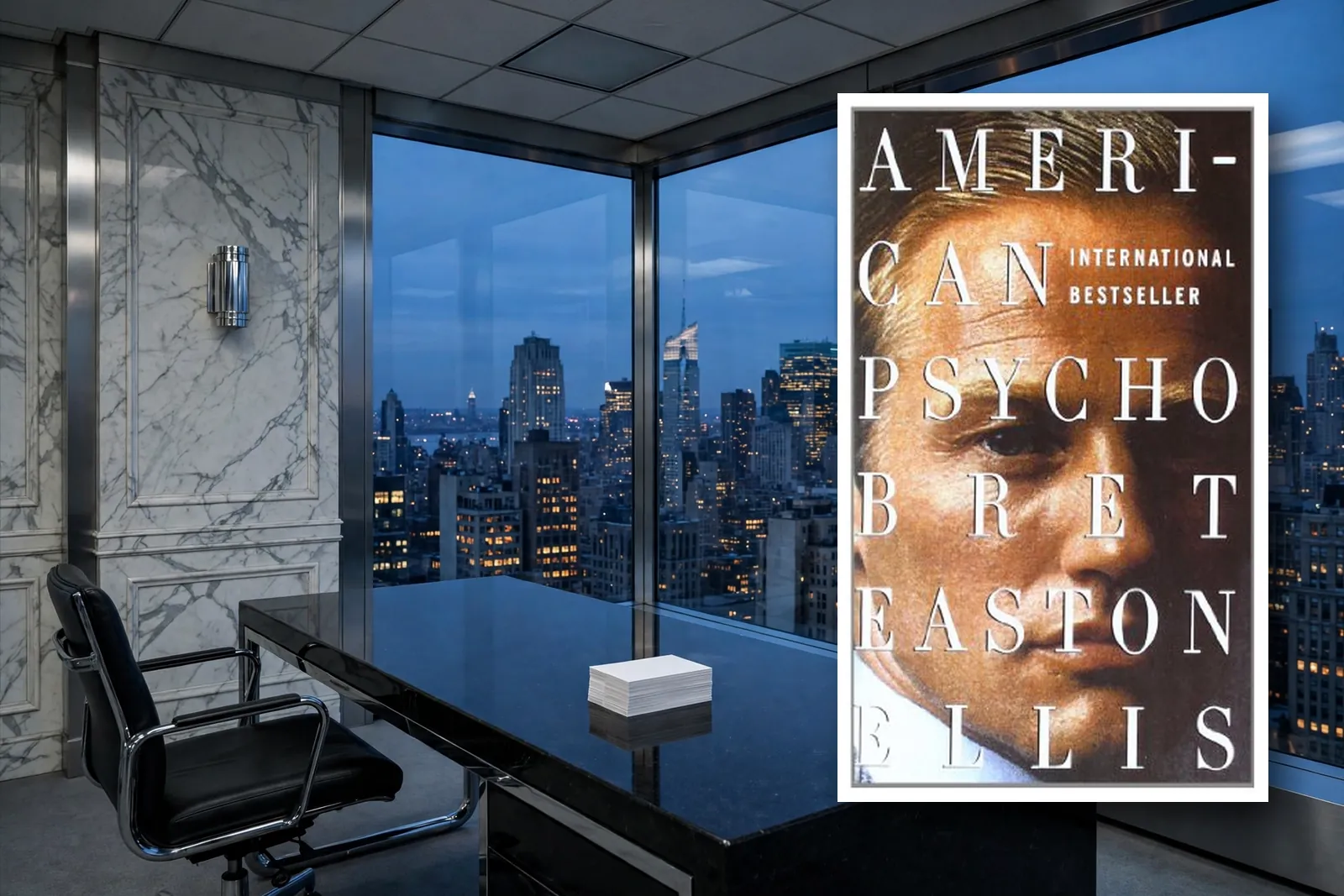
Patrick Bateman has the perfect life on paper. He is young, rich, handsome, and works on Wall Street. He eats at the best restaurants in New York and knows his suits by designer and thread count. Then he starts to tell you what he does at night. The killings are described in the same flat, bored voice he uses to describe business cards and stereo systems. That is the trap. Bateman reports everything with total confidence, but the details never quite line up. A murder he describes in one chapter is undone in the next. A body vanishes. A friend he claims to have killed shows up alive at lunch. Ellis never tells you which version is true. You have to decide whether Bateman is a killer, a fantasist, or both at once.
At a glance
Genre: Psychological horror and satire
Author: Bret Easton Ellis
Year: 1991
Goodreads rating: 3.8
The book works because the narrator never breaks character. He never winks. He never admits a doubt. That steady voice is what makes the reader do the detective work. Read it slowly. The clues are in the small contradictions, not the big scenes. If you want a narrator who lies with a straight face, this is the gold standard.
2. Pale Fire
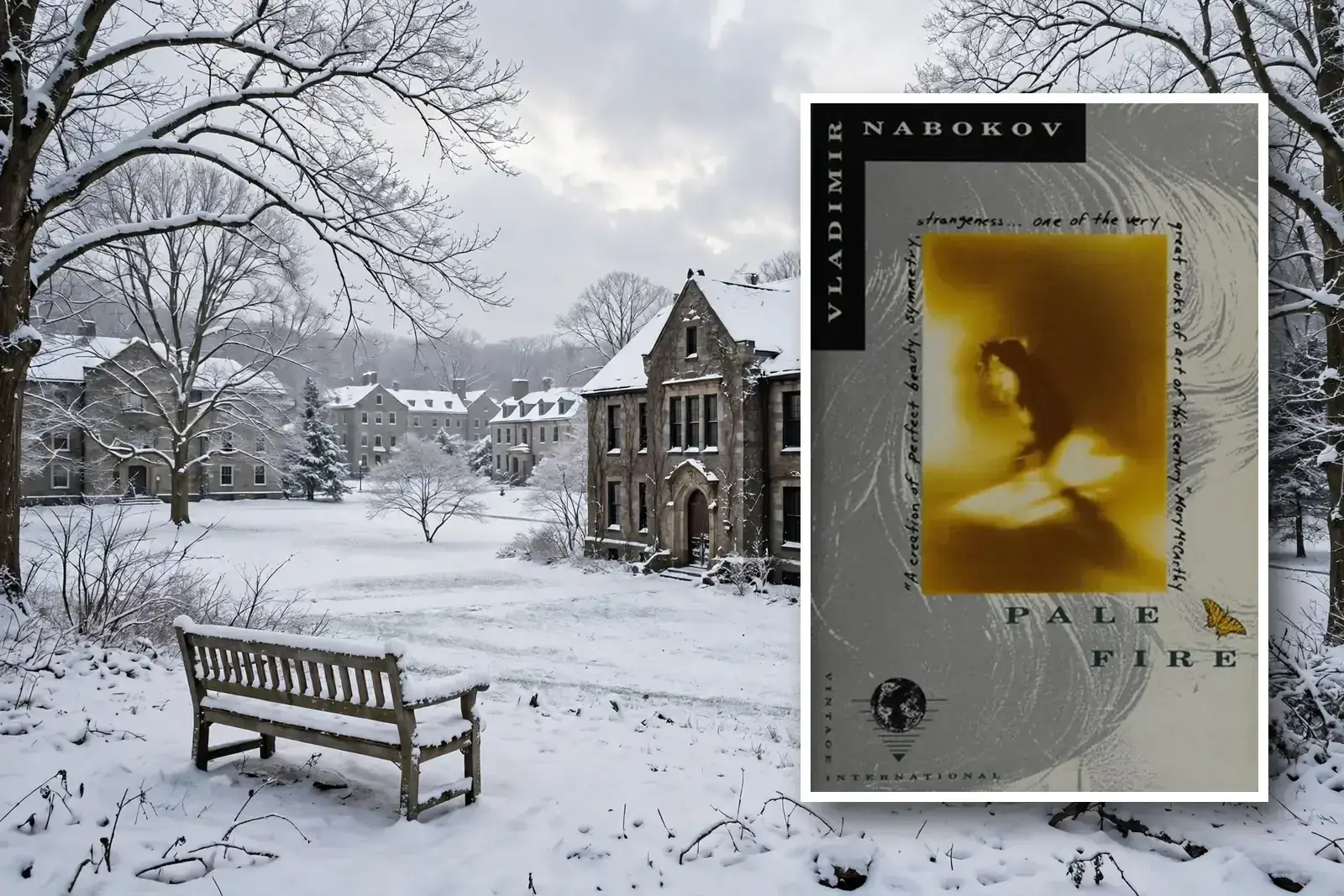
Pale Fire is two books in one, and the second one eats the first. The first part is a 999 line poem by a respected American poet, John Shade. The second part is a long commentary on that poem by his neighbor, Charles Kinbote. Kinbote insists the poem is really about him, about his lost kingdom of Zembla, and about an assassin sent to kill a king. The poem says nothing of the sort. As you read, Kinbote’s version of events starts to fall apart. Names change. Dates do not match. The man he claims to be may not exist at all. Nabokov built the whole novel as a puzzle, and Kinbote is the piece that does not fit.
At a glance
Genre: Literary fiction and metafiction
Author: Vladimir Nabokov
Year: 1962
Goodreads rating: 4.17
Buy it: Amazon
This is the most playful book on the list, and also the most demanding. You will need to read the poem and the notes together, checking one against the other. The fun is in catching Kinbote out. When you do, the book changes shape in your hands. It is a love story, a ghost story, and a confession, all hiding inside a work of literary criticism.
3. The Good Soldier

The Good Soldier opens with one of the most famous first lines in fiction. “This is the saddest story that I have ever heard.” The narrator, John Dowell, then spends the whole novel proving he is the worst person to tell it. He admits he knows nothing about the people closest to him. He tells the story out of order. He changes his mind about what happened, then changes it back. Two couples, one friendship, and a string of affairs and betrayals all pass through his foggy memory. Dowell is not a liar in the usual sense. He is a man who was never paying attention, and now he is trying to make sense of a tragedy he helped cause.
At a glance
Genre: Literary fiction and modernist classic
Author: Ford Madox Ford
Year: 1915
Goodreads rating: 3.79
Ford wrote the book as a study of self deception. Dowell believes he is a decent, simple man. The reader slowly sees something else. Every page asks the same question. How much did he really know, and how much did he choose not to see? It is a short novel, but it rewards a second read more than almost any book on this list.
4. The Sound and the Fury

Faulkner gives you four narrators, and not one of them tells the story straight. The first section belongs to Benjy, a man with a child’s mind who slips through time without warning. One smell can throw him thirty years back, and the reader has to work out which year they are in. Then comes Quentin, drowning in guilt and family history. Then Jason, bitter and cruel, who lies to himself as much as to anyone else. Only the last section steps back and lets you see the Compson family from the outside. By then, the damage is done.
At a glance
Genre: Literary fiction and Southern Gothic
Author: William Faulkner
Year: 1929
Goodreads rating: 3.86
Buy it: Amazon
This is the hardest book on the list, and the most rewarding. Faulkner never holds your hand. You earn the story by piecing it together from four broken points of view. Read it with patience, and the final section will hit like a door opening. The family you thought you knew looks different in daylight.
5. We Need to Talk About Kevin
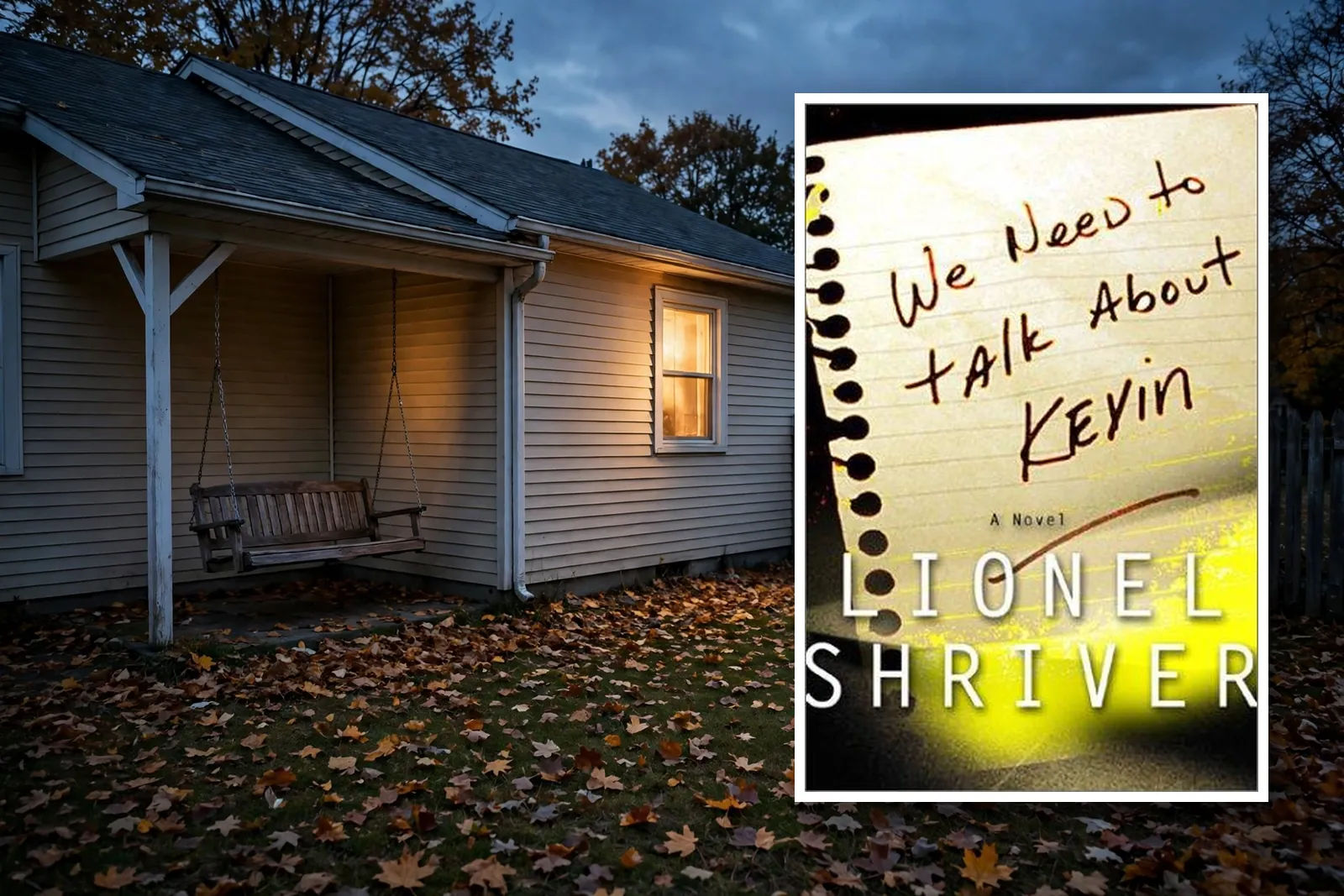
We Need to Talk About Kevin is told entirely in letters. Eva Khatchadourian writes to her husband, Franklin, after their son Kevin has committed a terrible act at his school. Letter by letter, she rebuilds their family life, from Kevin’s difficult childhood to the day everything broke. But Eva is not a neutral witness. She hated motherhood from the start. She admits she never bonded with her son. So every story she tells comes with a question attached. Is Kevin really the cold, cruel child she describes, or is this the version a guilty mother needs to believe?
At a glance
Genre: Psychological thriller and epistolary novel
Author: Lionel Shriver
Year: 2003
Goodreads rating: 4.08
Shriver won the Orange Prize for this novel, and the letters are the reason why. The form lets Eva control the story, and the reader has to decide how much of that control to trust. Franklin’s side of the story never appears. That absence is the whole point. You finish the book unsure who failed whom, and that uncertainty is what stays with you.
Four Kinds of Unreliable Narrator
Every liar on this list falls into one of four types. Spot the type, and you are halfway to the truth.
The Liar
Tells a story that falls apart on the details. Watch for it in American Psycho and Endless Night.
The Deluded
Believes every word of a story that is plainly false. Meet Kinbote in Pale Fire and Dowell in The Good Soldier.
The Broken Memory
Time slips, scenes blur, and whole years vanish. Benjy in The Sound and the Fury and Eva in Kevin.
The Hidden Self
Hides who they really are until the last page. Frank in The Wasp Factory, and both women in Fingersmith.
6. House of Leaves
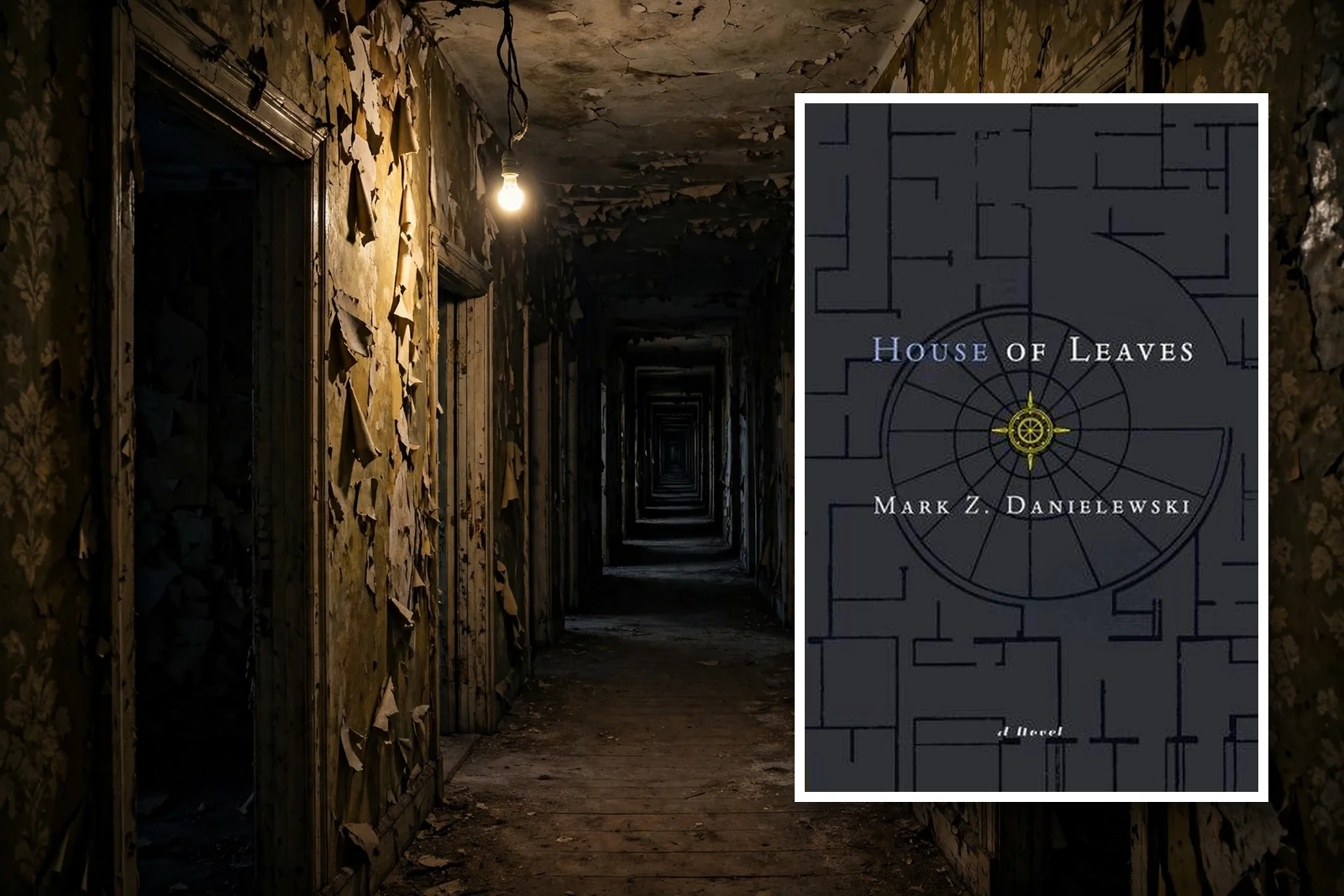
House of Leaves is a book about a book about a house. A young man named Johnny Truant finds a manuscript written by a blind old man, Zampano. The manuscript describes a documentary film about a house that is bigger inside than outside. The film does not exist. The house may not exist either. Johnny adds footnotes to the manuscript, and his footnotes start to fall apart. He stops sleeping. He starts seeing things. The text itself breaks down, with words running sideways and pages going blank. Three narrators, three layers of doubt, and not one of them can be trusted to tell you what is real.
At a glance
Genre: Horror and experimental fiction
Author: Mark Z. Danielewski
Year: 2000
Goodreads rating: 4.09
Buy it: Amazon
Danielewski built the novel like the house it describes. The deeper you go, the less certain the ground becomes. Some readers map every footnote. Others just let the dread build. Either way works. This is the book to read alone, at night, when the house is quiet.
7. Endless Night
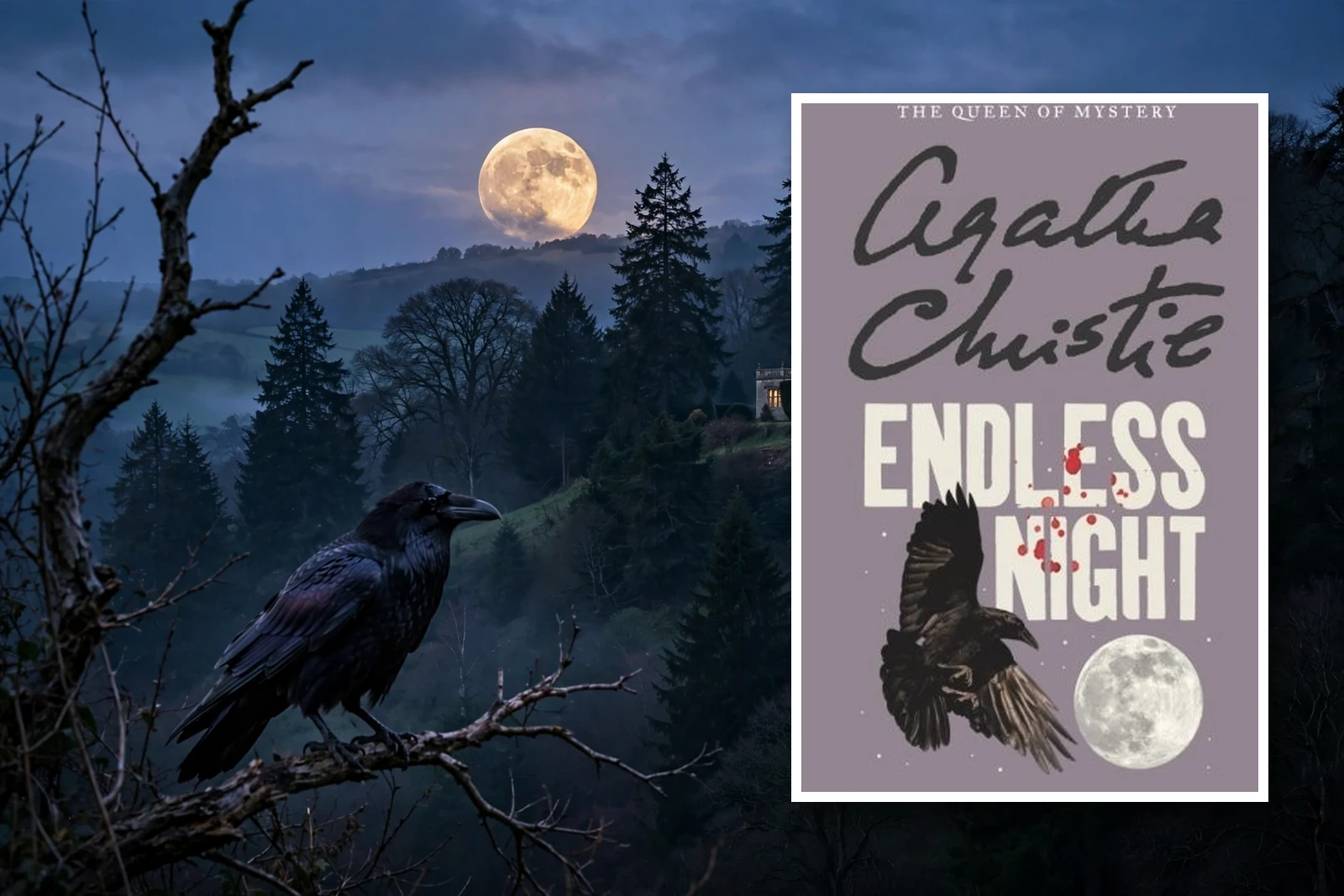
Endless Night is the most unusual Christie novel, and it is also one of her own favorites. The narrator is Michael Rogers, a charming young man with no money and big dreams. He falls in love, buys a beautiful house on a piece of land the locals call Gypsy’s Acre, and marries a rich young woman. For most of the book, it reads like a love story with a dark edge. Then the final chapters pull the rug out from under everything you thought you knew. Rogers has been telling you the truth all along, but only the parts of it he wanted you to hear.
At a glance
Genre: Mystery and psychological thriller
Author: Agatha Christie
Year: 1967
Goodreads rating: 3.8
Christie wrote this late in her career, and it shows her at her most daring. There is no Poirot and no Marple here. There is only a voice, warm and friendly, that turns out to be something else entirely. The twist is one of the best she ever wrote, and it works because the narrator never once raises his voice.
8. Fingersmith
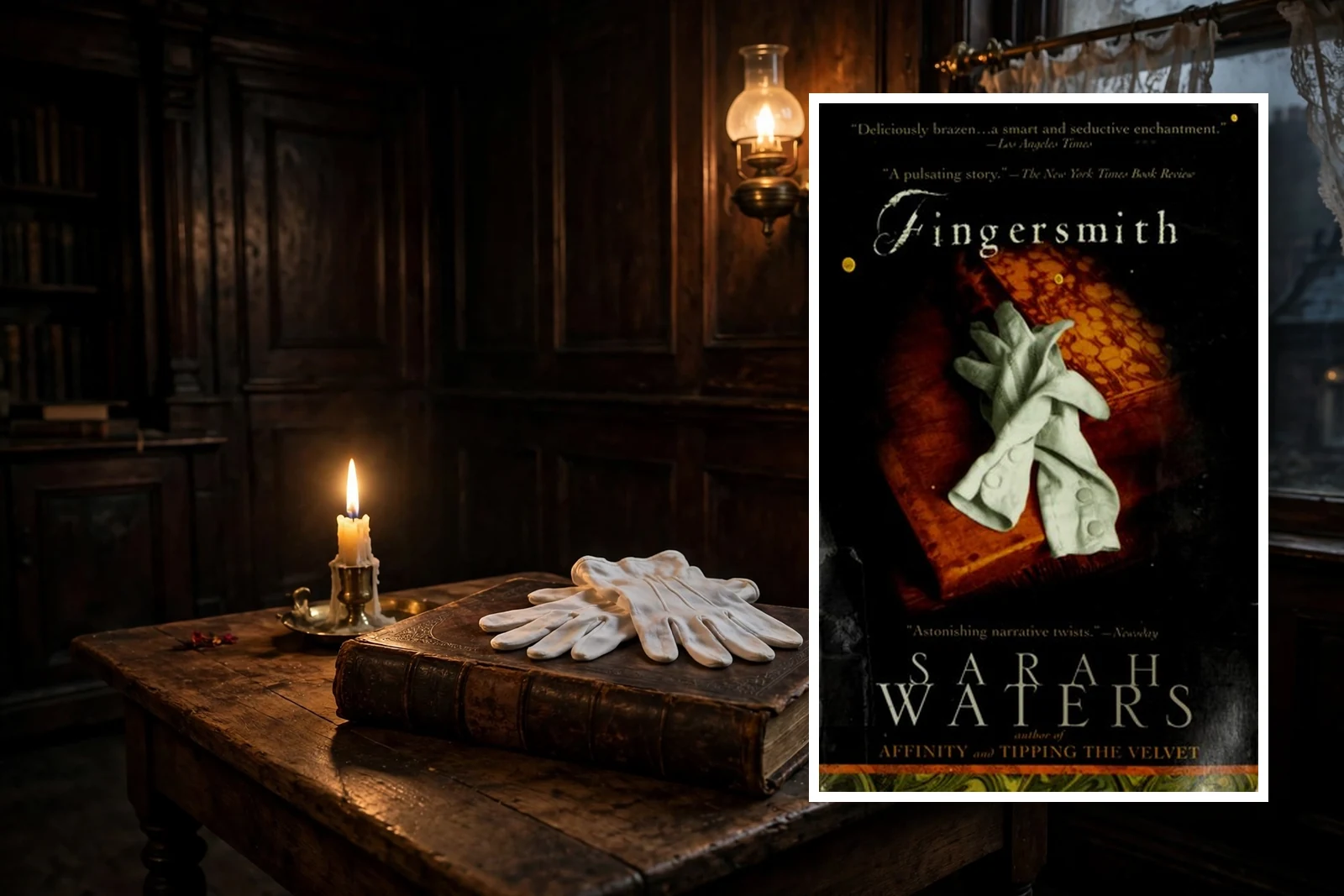
Fingersmith is a story of two cons, told by two women who each think they know the truth. Sue Trinder grows up among thieves in Victorian London. She is hired to help a con man trick a rich young heiress, Maud Lilly, into marriage. Sue agrees to pose as Maud’s maid and win her trust. Then the book turns. The story starts again from Maud’s point of view, and everything Sue told you looks different. Waters keeps the twists coming until the last page, and every new version of events forces you to rethink the last one.
At a glance
Genre: Historical crime and mystery
Author: Sarah Waters
Year: 2002
Goodreads rating: 4.02
The novel was shortlisted for the Booker Prize, and the structure is the star. Each narrator is honest about her own feelings and wrong about almost everything else. The book is also a love story, a crime story, and a sharp look at how Victorian society trapped women. It is the most purely fun read on this list, and the one most likely to make you gasp out loud.
9. The Wasp Factory
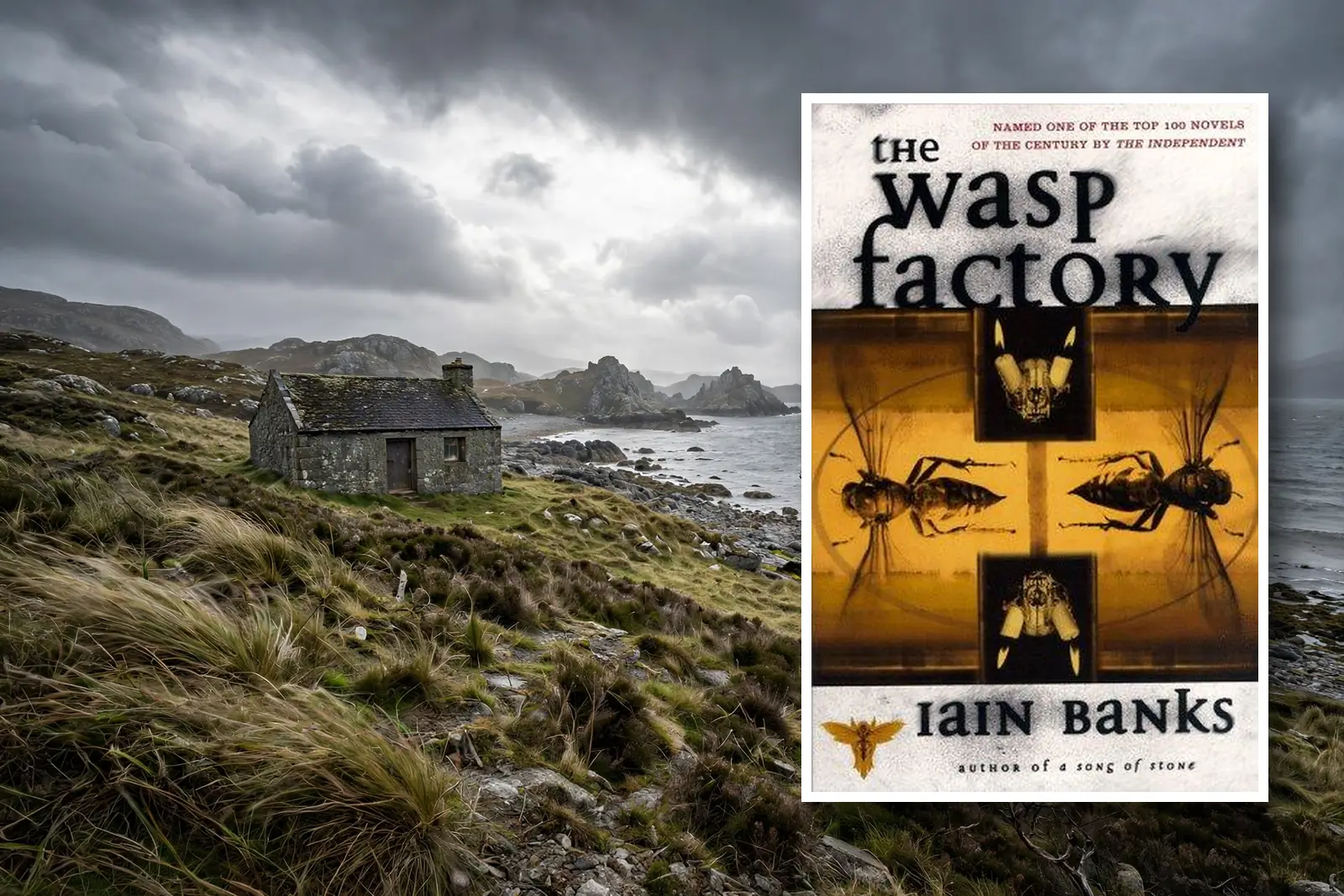
Frank Cauldhame is sixteen, lives on a remote Scottish island with his father, and keeps a set of strange rituals. He has a Wasp Factory, a clock face with twelve doors, and a set of rules for reading the future in a dying wasp. He tells his story in a calm, matter of fact voice, as if his life were perfectly normal. It is not. As the book goes on, the gaps in Frank’s story grow wider. He will not talk about his mother. He will not talk about what happened to his brother. And the secret at the center of the family is bigger than anything he has told you.
At a glance
Genre: Literary horror and Gothic
Author: Iain Banks
Year: 1984
Goodreads rating: 3.76
Banks published this as his first novel, and it shocked readers in 1984. It still shocks now. Frank’s voice is so steady and so reasonable that you almost accept his world as it is. Then the last pages arrive, and everything shifts. Read it once for the shock, and a second time to see how carefully the clues were planted.
Your Thanksgiving Weekend Reading Order
Three ways into the list, depending on your mood and how much time you have.
Start here: Fingersmith
The fastest, most fun read on the list. Twists every fifty pages, and a great first taste of the trick.
Go deeper: Pale Fire
The puzzle. Read it with a pencil in hand and check the notes against the poem.
Save for last: The Wasp Factory
The shock. Short, strange, and impossible to forget. Best read when the house is quiet.
As a gift
All nine work as gifts for readers who love a twist. Pick the one that matches their taste, and wrap it with a warning: trust no one.
That is the pleasure of the unreliable narrator. The book does not just tell you a story. It asks you to do the work of a detective, a judge, and a jury, all at once. These nine are a good place to start, and a good place to come back to. Pick one for the long Thanksgiving weekend, and one to wrap as a gift.
The reader who gets it will thank you, and then they will want to talk about the ending. Just be ready. Once you have read a book like this, you will never trust a first person narrator again. Not fully. And that is exactly the point.

John Smith is the founder and CEO of Karaoke Machines Guru. He is a karaoke tutor and karaoke enthusiast and has been passionate about karaoke since he was a child. He also writes about karaoke-related tips, guides, and product reviews on this website.
He overlooks the whole website and makes sure that everything is running smoothly. Learn more!