

You have sung these songs a hundred times. You know the choruses by heart. You have danced to them at weddings, shouted them in the car, and picked them at karaoke with total confidence.
Now try this. Listen to the verses. Really listen. The words tell a different story from the tune, and once you hear it, you cannot unhear it. A love song turns into a warning. A party anthem turns into a breakup. A graduation favorite turns out to be a goodbye written in anger.
That is the trick these eight songs share. Each one wraps a hard truth in a melody so sweet that millions of people missed it for years. Some of the artists have spent decades correcting the record. Others just let the misunderstanding stand.
Here are eight famous songs, the stories people think they tell, and the real meanings hiding underneath. Play each one again after you read its entry. It will sound like a different song, and you will wonder how you ever heard it any other way.
Some of these songs were misunderstood from the first week they came out. Others fooled people for years before the artist spoke up. The pattern is the same every time: the music is so good that the words get a free pass. This list fixes that, one song at a time.
How a hit song hides its real meaning
1. The sweet melody. A gentle tune makes dark words feel safe, so nobody stops to read them.
2. The loud chorus. One big hook drowns out the verses, where the real story usually lives.
3. The borrowed title. A familiar phrase points one way while the song walks the other.
4. The slow reveal. The truth sits in verse two or three, long after most listeners have stopped paying attention.
1. Every Breath You Take by The Police
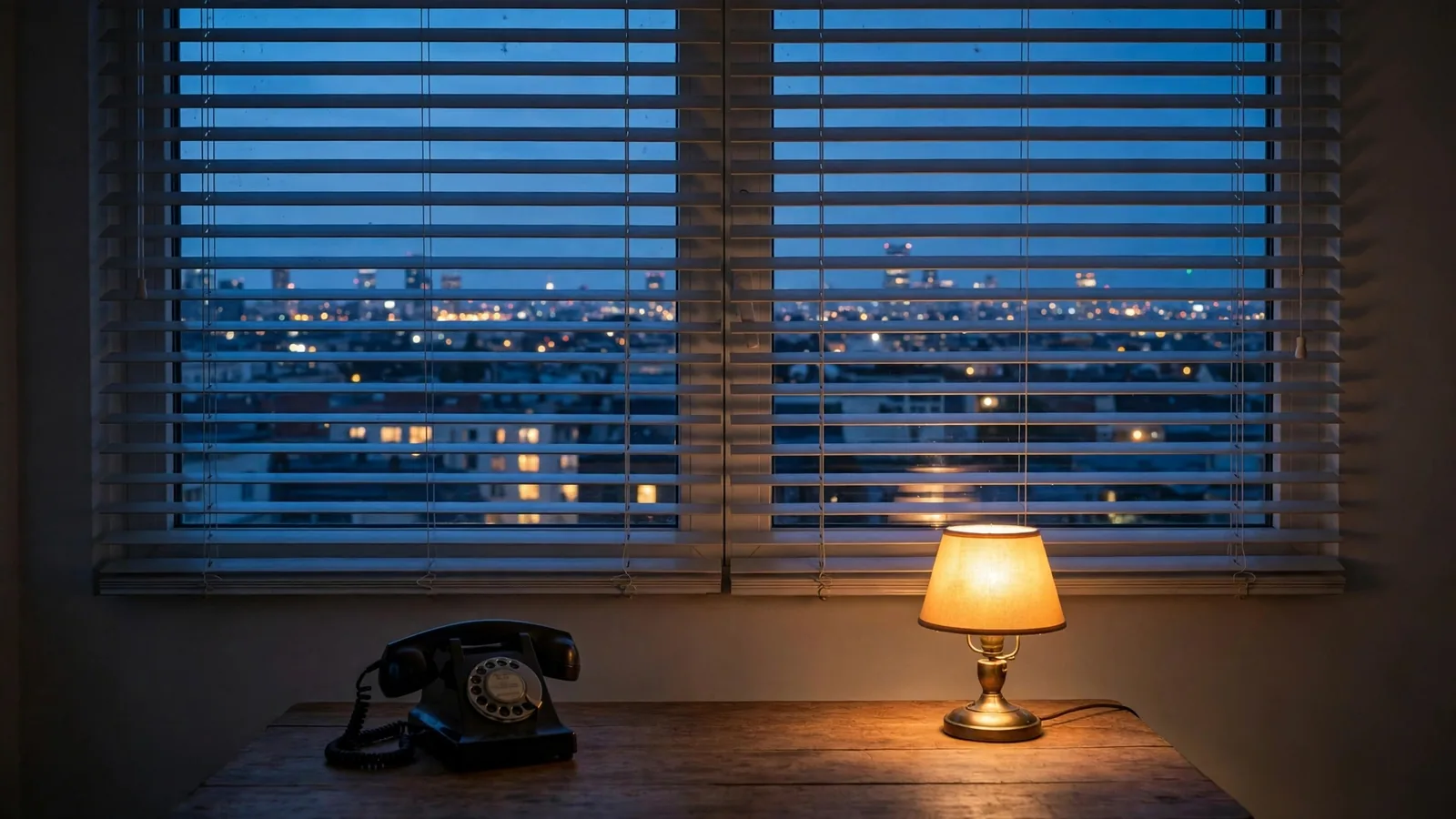
Every wedding DJ in the world has played this one as a slow dance. Couples sway to it. The melody is soft, the guitar is gentle, and the voice sounds tender. It feels like a vow, and it has been chosen as a first dance more times than anyone can count.
Sting has spent forty years saying it is not a vow at all. He called it a nasty little song about jealousy and surveillance and ownership. He wrote it in 1982 and 1983 as his first marriage was falling apart, and he has said he was thinking of Big Brother, surveillance and control.
At a glance
Artist: The Police
Year: 1983
What it is really about: Jealousy, surveillance and obsession after a breakup, not a love song.
Best for: A quiet late night listen when you want to hear the words for the first time.
Read the words without the music and the picture changes. Every move you make. Every step you take. I will be watching you. That is not devotion. That is a person who cannot let go, counting every breath of someone who has already left.
The song still works at weddings because the tune is so beautiful. That is the whole point. The prettiest melodies can carry the darkest messages, and this one has carried its secret for more than forty years while the whole room swayed along.
Sting has even joked about couples telling him they played it at their wedding. He does not argue with them. He just points out that the man in the song is watching someone who left, and that the prettiest promise in pop is also one of the creepiest.
2. Born in the U.S.A. by Bruce Springsteen

The chorus is a shout. The drums hit hard. The synths soar. When a crowd hears those four words, fists go up. It sounds like the loudest patriotic cheer ever written, and it has been used that way at rallies, ball games, and fireworks shows for decades.
The verses tell a different story. They follow a young man who gets into trouble, gets sent to Vietnam, and comes home to a town with no jobs and a Veterans Administration that turns him away. He ends up with ten years burning down the road and nowhere to go.
At a glance
Artist: Bruce Springsteen
Year: 1984
What it is really about: A Vietnam veteran coming home to neglect and no work, a protest wrapped in a shout.
Best for: A long drive when you want to hear the verses instead of just the chorus.
Springsteen has explained the split himself. The pride lives in the chorus, he has said. The blues and the daily realities live in the verses. The song is a demand, not a celebration. It says: I was born here, and I deserve better than this.
That did not stop politicians from borrowing it. Ronald Reagan praised Springsteen during the 1984 campaign, and the singer pushed back. The chorus was built to be sung loud. The verses were built to be heard, and they are still waiting for their turn.
3. Semi-Charmed Life by Third Eye Blind

The opening is pure sunshine. Doo doo doo, a bright guitar riff, a beat that makes you bounce in your seat. It was the sound of the summer of 1997, and it still sounds like a good time. It is the kind of song that makes a whole room feel young again.
Stephan Jenkins has been blunt about what sits under that riff. The song is about crystal meth and the crash that follows. He watched friends get hooked after a Primus concert, and he wrote the bright shiny sound on purpose, to match the rush of the drug itself.
At a glance
Artist: Third Eye Blind
Year: 1997
What it is really about: Crystal meth addiction and the emptiness underneath a shiny life.
Best for: A 90s playlist rethink, played loud with the lyrics in front of you.
The second verse says it out loud. Doing crystal meth will lift you up until you break. Radio stations played it anyway. The melody was so catchy that most listeners never stopped to hear the warning sitting in the middle of the chorus.
Jenkins has also said the song is about wanting more and never being satisfied. That is why it still lands. The drug story is the extreme version. The hunger underneath it is something almost everyone recognizes, and that is what keeps the song alive.
Next time it comes on, listen for the shift. The first chorus sounds like a celebration. By the last one, the voice sounds tired, the high is wearing off, and the bright shiny feeling has turned into something much heavier.
4. Pumped Up Kicks by Foster the People

This one sounds like a lazy afternoon. The whistle is soft. The bass is warm. It feels like a song about summer and sneakers, and for a while that is all most people heard. It floated out of radios and cafes like background music.
Mark Foster wrote it from inside the head of a lonely teenager named Robert. Robert watches the richer kids and their expensive shoes, finds his father’s gun, and plans something terrible. The chorus is a threat: you better run, better run, outrun my gun.
At a glance
Artist: Foster the People
Year: 2010
What it is really about: A warning about isolated youth, gun violence and the mental health crisis behind it.
Best for: A conversation about what pop radio slips past us while we hum along.
Foster has said he wrote it as a warning. He had been reading about teenage mental illness, and he wanted to understand how isolation turns into violence. He has also corrected one detail. The song never names a school. Listeners filled in that blank themselves.
That correction matters. The song is not a report on one place. It is about the pattern: a kid with no one to talk to, a gun within reach, and a fantasy that grows in the dark. The sunny tune is the trap that lets the message slip past.
Spot the trick: 4 clues a song is lying to you
1. Listen to verse two. The first verse sets the mood. The second verse usually tells the truth.
2. Read the title literally. Good Riddance is not a warm wish. Losing My Religion is not about church.
3. Check what the artist said. Sting, Jenkins, Foster and Stipe have all corrected the record in interviews.
4. Notice who is singing. If the narrator sounds too calm, ask what he is hiding. The calm ones are often the dangerous ones.
5. Good Riddance (Time of Your Life) by Green Day

If you graduated in the last twenty five years, you have heard this song while wearing a cap and gown. It plays over slideshows, farewells, and series finales. It sounds like a warm hug for the end of something good, and it always makes the room go quiet.
Billie Joe Armstrong wrote it in anger. He had just broken up with a girlfriend named Amanda, who was moving to Ecuador, and he was furious about it. He named the song Good Riddance just to express that anger, and the gentle acoustic sound was a disguise.
At a glance
Artist: Green Day
Year: 1997
What it is really about: A bitter breakup with a girlfriend moving away, written in anger and sarcasm.
Best for: A graduation playlist, now with full knowledge of what you are really playing.
The title is the giveaway. You do not call a song Good Riddance when you feel warm and fuzzy. The famous line about hoping you had the time of your life was sarcastic when he wrote it. It was a door slamming, not a toast.
Then the world adopted it. The Seinfeld finale played it in May 1998, and graduations followed. Armstrong has said he never expected a song born in a punk club to end up in yearbooks. The world heard a blessing. He had written a breakup.
6. American Pie by Don McLean

Everyone knows the chorus. Bye bye, Miss American Pie. People sing it at bars, at parties, at the top of their lungs. It feels like a fun old song about the good old days, and the longer it goes on, the louder the room gets.
Don McLean wrote it about the day the good old days ended. He was thirteen, delivering newspapers in New Rochelle, when he opened a bundle and read that Buddy Holly, Ritchie Valens, and the Big Bopper had died in a plane crash on February 3, 1959. That is the day the music died.
At a glance
Artist: Don McLean
Year: 1971
What it is really about: The 1959 plane crash and the loss of innocence across a whole decade.
Best for: A long road trip singalong, with the story in mind from the first verse.
The song stretches from that crash through a whole decade. McLean moves through Dylan, the Beatles, the Stones, and the violence of the 1960s, watching the innocence of his youth fall apart. He has also said the opening verse holds another loss: his own father, who died when McLean was fifteen.
That is why the song runs more than eight minutes and still feels too short. It is not a puzzle to solve. It is one man saying goodbye to a whole era, and inviting everyone who lived through it to sing along with him.
McLean spent decades refusing to explain every symbol in the song, and that silence helped it grow. People filled the gaps with their own memories, which is why the song still feels personal to listeners who were not even born when it came out.
7. Hotel California by Eagles

The guitar intro is one of the most famous sounds in rock. It is warm, smooth, and inviting. The song feels like a holiday in California, all sunshine and open roads, and the first minute sounds like the best trip you ever took.
Don Henley has explained what the holiday really is. The song is about the dark underbelly of the American dream, and about excess in America. It follows a traveler who checks into a beautiful hotel and slowly realizes he can never leave.
At a glance
Artist: Eagles
Year: 1976
What it is really about: Fame, excess and the dark side of the California dream, a trap disguised as luxury.
Best for: A desert drive at dusk, when the horizon looks a little too inviting.
The details give it away. The mirrors on the ceiling. The pink champagne on ice. The line about not having had that spirit here since 1969. Henley has called the song a journey from innocence to experience, and the hotel is the trap at the end of it.
The band lived the story they were telling. By 1976 the Eagles were rich, famous, and exhausted, watching the peace and love dream of the 1960s curdle into something harder. The song is not about a real hotel. It is about the price of getting everything you wanted.
The last line says it all. You can check out any time you like, but you can never leave. It is the catch in every deal the song describes: the glamour is real, the door is open, and the exit is gone.
8. Losing My Religion by R.E.M.

The mandolin riff is nervous and quick, and the video is full of religious images. For years, people assumed the title said it all: a song about losing faith, a crisis of belief set to a folk rock beat.
Michael Stipe has corrected that for decades. Losing my religion is an old Southern expression. It means losing your temper, reaching the end of your rope. The song is not about God. It is about unrequited love, and the agony of wanting someone who may not want you back.
At a glance
Artist: R.E.M.
Year: 1991
What it is really about: Unrequited love and obsession, using a Southern phrase for losing your temper.
Best for: A quiet evening when a crush will not leave your head alone.
Listen to the words with that in mind. That is me in the corner. That is me in the spotlight. Oh no, I have said too much. It is the voice of a person dropping hints, reading every glance for a sign, and fearing they have already revealed too much.
Stipe has compared it to Every Breath You Take, and the link is fair. Both songs are about obsession dressed up as something else. One hides behind a love song. The other hides behind a phrase that sounds like a crisis of faith, and both have fooled millions.
That is the genius of the title. It sounds like a confession about faith, so nobody asks what the singer is really confessing. He is confessing that he is in love with someone who may never love him back, and that the waiting is driving him mad.
The 8 songs, side by side
1983, Every Breath You Take. You thought: a love song. It is: obsession and surveillance.
1984, Born in the U.S.A. You thought: a patriotic anthem. It is: a veteran coming home to nothing.
1997, Semi-Charmed Life. You thought: a sunny summer hit. It is: crystal meth and the crash.
2010, Pumped Up Kicks. You thought: a breezy pop song. It is: a warning about youth violence.
1997, Good Riddance. You thought: a graduation anthem. It is: an angry breakup song.
1971, American Pie. You thought: a fun old singalong. It is: a farewell to a lost era.
1976, Hotel California. You thought: a California holiday. It is: the dark side of the dream.
1991, Losing My Religion. You thought: a crisis of faith. It is: unrequited love.
Eight songs, eight misreadings, one lesson. The tune is never the whole story. A melody can make a warning sound like a celebration, and a chorus can drown out the verses for decades.
The artists in this list did not hide their meanings. They put them in plain sight, in the second verse, in the title, in interviews anyone could read. The songs just sounded too good for most of us to stop and listen.
So play them again. This time, hear the verses first. You will never hear these songs the same way twice, and that is exactly the point.
And the next time a song feels too perfect to question, question it anyway. Read the second verse. Look up what the writer said. The best songs reward a second listen, and the ones on this list reward it more than most.

John Smith is the founder and CEO of Karaoke Machines Guru. He is a karaoke tutor and karaoke enthusiast and has been passionate about karaoke since he was a child. He also writes about karaoke-related tips, guides, and product reviews on this website.
He overlooks the whole website and makes sure that everything is running smoothly. Learn more!