

Some books earn a permanent place in your memory before the story even starts. One sentence is all it takes. A great opening line can set a mood, introduce a voice, or plant a question that pulls you through hundreds of pages.
The eleven lines in this list have been quoted, parodied, and printed on mugs for decades. Some are three words long. One runs to 119 words. Each one tells you exactly what kind of book you are about to read, and each one still works the first time you meet it.
We start with the shortest and most famous of them all, and end with the most quoted sentence in all of English fiction. Here are 11 opening lines you never forget.
What makes an opening line stick
Three words can do the work of three pagesA voice you can hear
You know who is talking within a single breathA promise of trouble
Something is wrong, and you need to know whatA question to answer
The line makes you ask what happens next
1. Moby-Dick
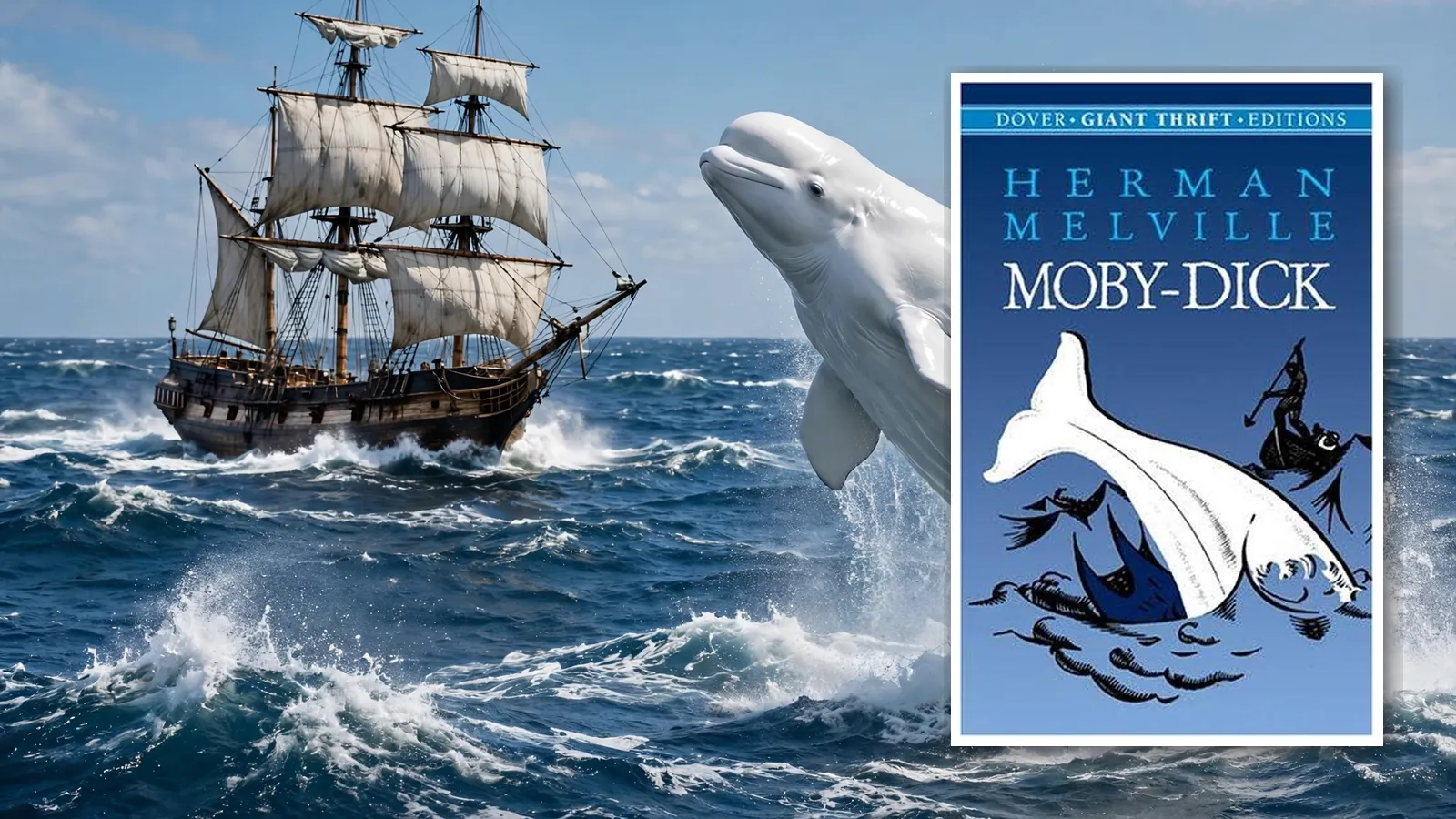
Three words. That is the whole opening of Moby-Dick, and it may be the most famous first line ever written. “Call me Ishmael.” Herman Melville published the novel in 1851, and its narrator introduces himself like a stranger at a bar, plain and direct, with no last name and no history offered. The line is an invitation, not a statement. It asks you to trust a voice you have only just met.
Ishmael is restless, broke, and drawn to the sea whenever life on land starts to feel too tight. He signs on to a whaling ship, the Pequod, and sails straight into an obsession that is not his own. Captain Ahab wants the white whale. Ishmael just wants to see the world. That gap between the two men is the whole novel.
At a glance
Genre: Adventure, literary fiction
Author: Herman Melville
Year: 1851
Goodreads rating: 3.57/5
Buy: Moby-Dick on Amazon
Readers have argued for more than a century about why the line works. Part of it is the rhythm. Part of it is the mystery: why “call me” instead of “my name is”? Melville never answers. He just lets Ishmael talk, and the talking never stops being interesting.
2. A Tale of Two Cities
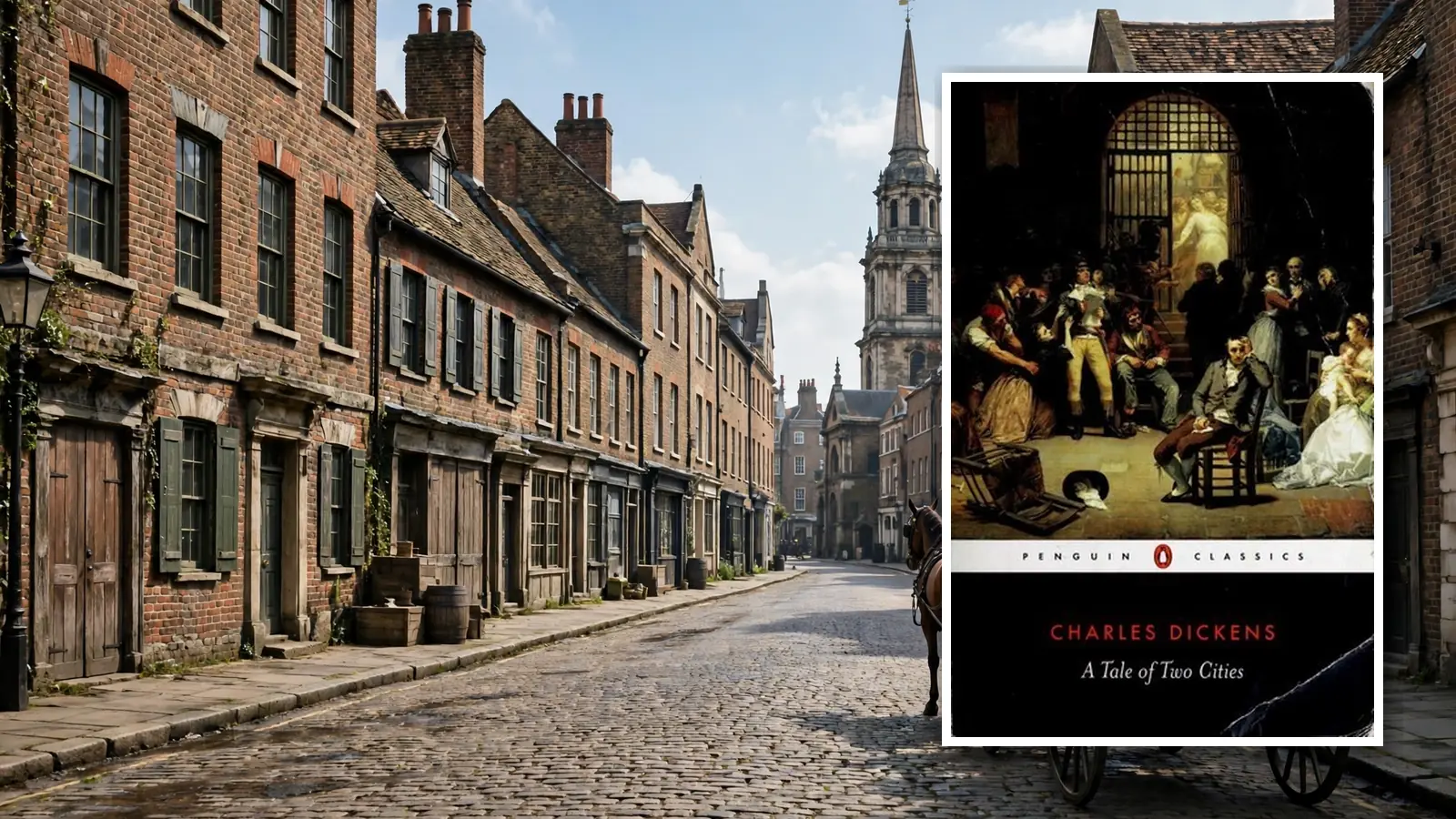
The most famous opening in English literature is also one of the longest. Dickens opens A Tale of Two Cities with a single sentence of 119 words, and the part everyone remembers is only the first clause: “It was the best of times, it was the worst of times…” The sentence keeps going, pairing opposites all the way down: wisdom and foolishness, belief and incredulity, light and darkness.
Published in 1859, the novel is set in London and Paris in the years before the French Revolution. The opening is a warning. Two cities, two countries, and a world about to split in half. Everything that follows, from the guillotine to the final sacrifice, is already hiding in that first breathless sentence.
At a glance
Genre: Historical fiction
Author: Charles Dickens
Year: 1859
Goodreads rating: 3.88/5
Dickens wrote the line to be read aloud, and it still sounds best that way. Say it slowly and you can hear the drumbeat underneath it. Best, worst, wisdom, foolishness. The rhythm never lets up, and neither does the novel.
3. Lolita

Say it out loud and you can hear the music in it. “Lolita, light of my life, fire of my loins.” Vladimir Nabokov published Lolita in Paris in 1955, and its first sentence is pure sound: soft L sounds rolling into hard F sounds, a rhythm that feels like a love song. The narrator is Humbert Humbert, a man who tells his story with such charm that readers keep forgetting how dark it is.
That is the point. The beauty of the sentence is the trap. Behind the music sits a story about obsession and damage, told by a man who cannot be trusted for a single page. We quote only the first sentence here, and it is more than enough.
At a glance
Genre: Literary fiction
Author: Vladimir Nabokov
Year: 1955
Goodreads rating: 3.88/5
Buy: Lolita on Amazon
The line has been copied so often that it is easy to forget how strange it is. A grown man naming a twelve-year-old girl the light of his life should set off alarms, and it does. Nabokov makes the alarms sound beautiful, and that is why the book still unsettles readers seventy years later.
4. The Hobbit
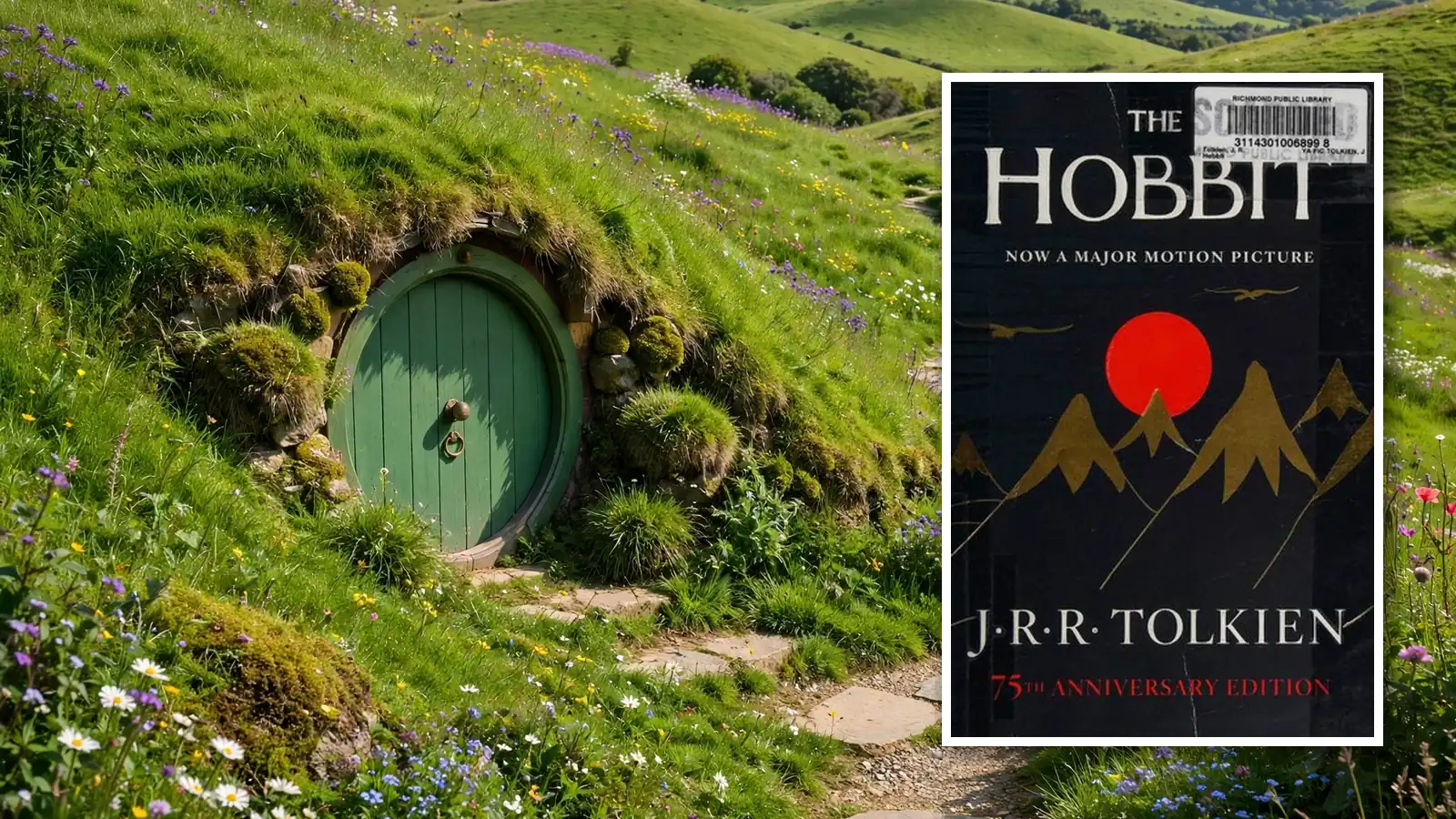
No build up, no scene setting, just a fact. “In a hole in the ground there lived a hobbit.” J. R. R. Tolkien published The Hobbit in 1937, and its first line works because it sounds like the start of a story told by a fire. It is plain, calm, and a little bit odd. A hole in the ground is not where anyone expects a hero to live. A hobbit is not a word anyone had heard before.
The line hands you a mystery in the shape of a simple sentence, and the next line only deepens it, because the hole is not a nasty, dirty, wet hole. It is a hobbit hole, and that means comfort. Bilbo Baggins likes his tea, his armchair, and his quiet life. The adventure that follows drags him out of all three.
At a glance
Genre: Fantasy
Author: J. R. R. Tolkien
Year: 1937
Goodreads rating: 4.30/5
Buy: The Hobbit on Amazon
Children remember this line because it sounds like a riddle. Adults remember it because it is a promise. A story that starts this simply can go anywhere, and Tolkien takes it all the way to a dragon, a war, and a ring that would change fantasy forever.
5. A Christmas Carol
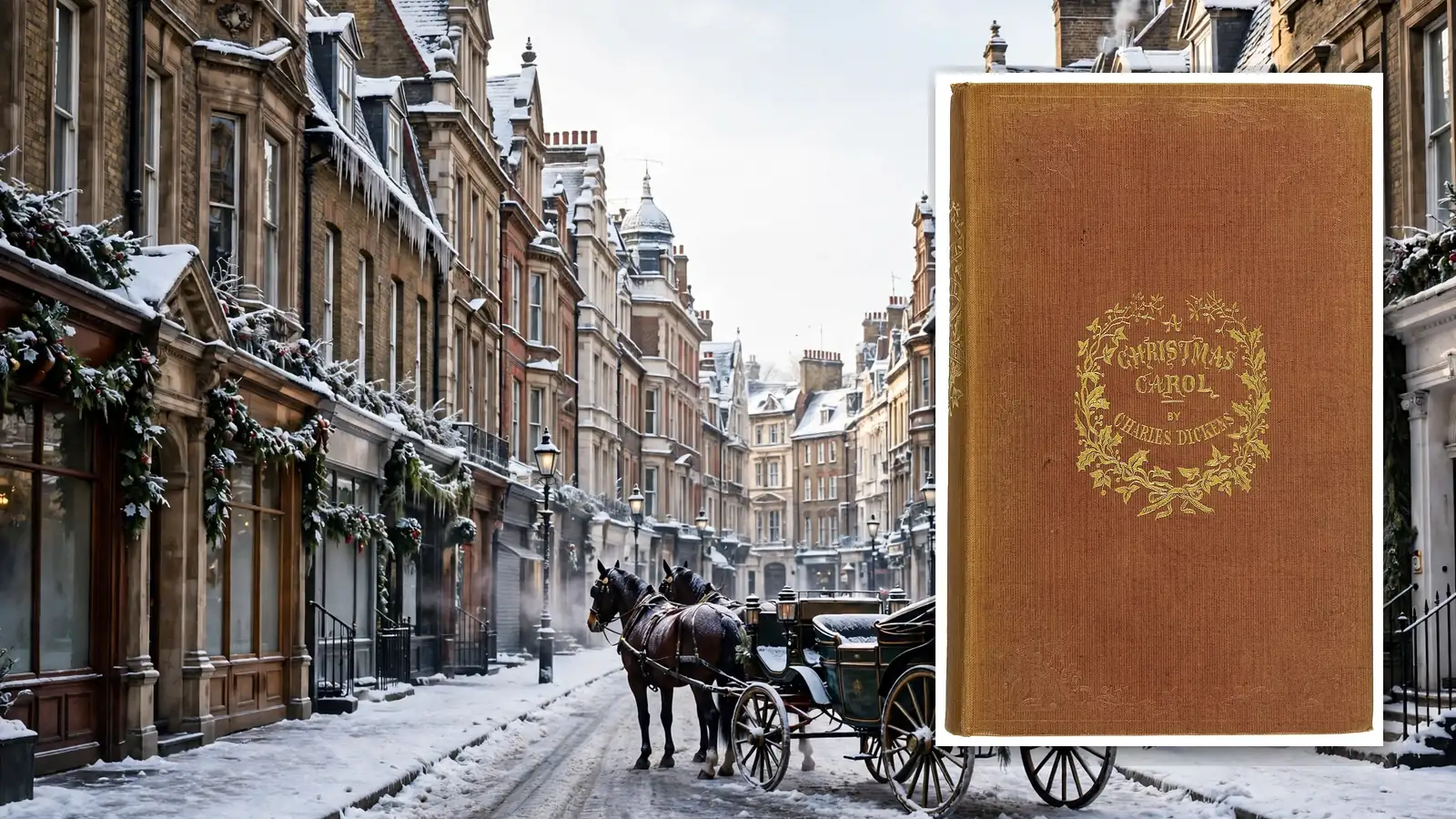
Charles Dickens opens A Christmas Carol with a blunt fact and refuses to soften it. “Marley was dead: to begin with.” Published in 1843, the novella starts by insisting on something that cannot be argued with. Jacob Marley is dead. He has been dead for seven years. There is no room for doubt, and Dickens knows his readers will try to doubt anyway, so he repeats the point until it sticks.
The bluntness is the joke and the setup at once. A ghost story needs a dead man, and Dickens gives you one in the very first sentence. What follows is the most famous Christmas story ever written: a miser, three spirits, and one very cold Christmas Eve that ends in warmth.
At a glance
Genre: Novella, ghost story
Author: Charles Dickens
Year: 1843
Goodreads rating: 4.09/5
The line also does something clever. It tells you the book will not waste your time. Dickens wrote the story in six weeks, and it reads like it: fast, funny, and straight to the heart. Marley is dead. Scrooge is next, unless he changes.
6. Anna Karenina
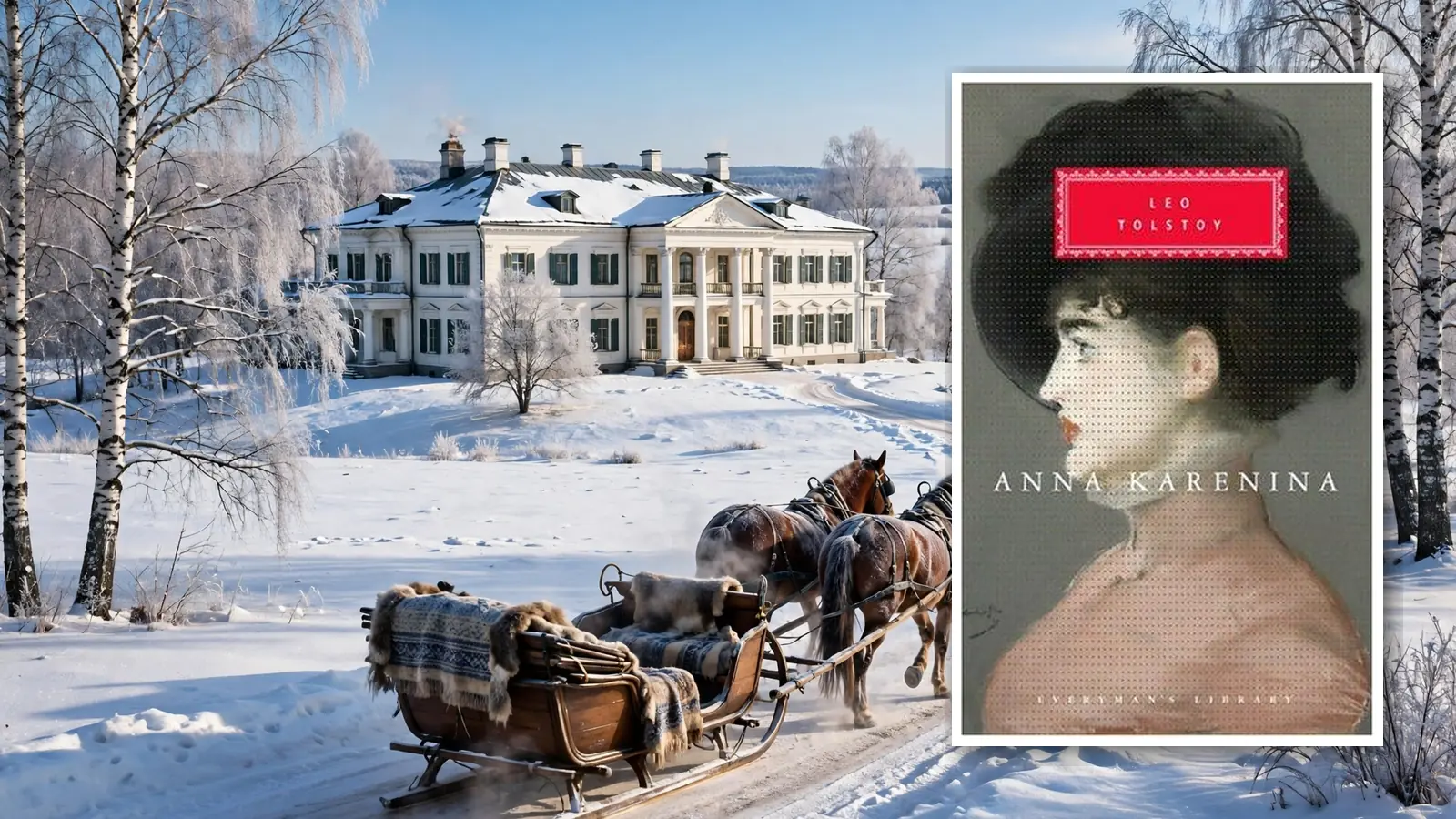
Some opening lines sound like proverbs. “Happy families are all alike; every unhappy family is unhappy in its own way.” That is the Constance Garnett translation of Anna Karenina, published in book form in 1878, and it is the version most English readers know. Other translations put it slightly differently. The Pevear and Volokhonsky translation reads, “All happy families are alike; each unhappy family is unhappy in its own way.”
The meaning holds either way. Tolstoy opens with a rule about happiness, then spends eight hundred pages breaking it. Anna Karenina is married, admired, and bored. Her affair with Count Vronsky sets off a chain of choices that ruins her, her family, and everyone near her. The opening line is a dare. Read on, and see how many ways unhappiness can go.
At a glance
Genre: Literary fiction, romance
Author: Leo Tolstoy
Year: 1878
Goodreads rating: 4.11/5
The line is so famous that it has a name among writers: the Anna Karenina principle. It shows up in business books, science papers, and self help guides. Tolstoy meant it about marriage. The world took it about everything.
The numbers behind the lines
The shortest opener: “Call me Ishmael.”119 words
The longest first sentence, in A Tale of Two Cities1813 to 1963
150 years separate the oldest and newest books here2 by Dickens
The only author with two lines on this list
7. The Bell Jar

Sylvia Plath opens The Bell Jar with a summer that feels wrong from the first word. “It was a queer, sultry summer, the summer they electrocuted the Rosenbergs, and I didn’t know what I was doing in New York.” Published in 1963, the novel is set in the summer of 1953, when Julius and Ethel Rosenberg were executed for espionage. Esther Greenwood is nineteen, bright, and on a magazine internship that should feel like a prize.
Instead she feels trapped, and the heat makes it worse. The line gives you the whole book in one breath: a young woman out of place, a country in a panic, and a summer that will not end well. We quote only the first sentence here.
At a glance
Genre: Semi-autobiographical fiction
Author: Sylvia Plath
Year: 1963
Goodreads rating: 4.05/5
Plath published the book under a false name, Victoria Lucas, and died a month later. The Bell Jar is now read as a classic about depression, and its opening line is still quoted because it captures a feeling so many readers know: being somewhere you are supposed to love, and feeling nothing at all.
8. Jane Eyre
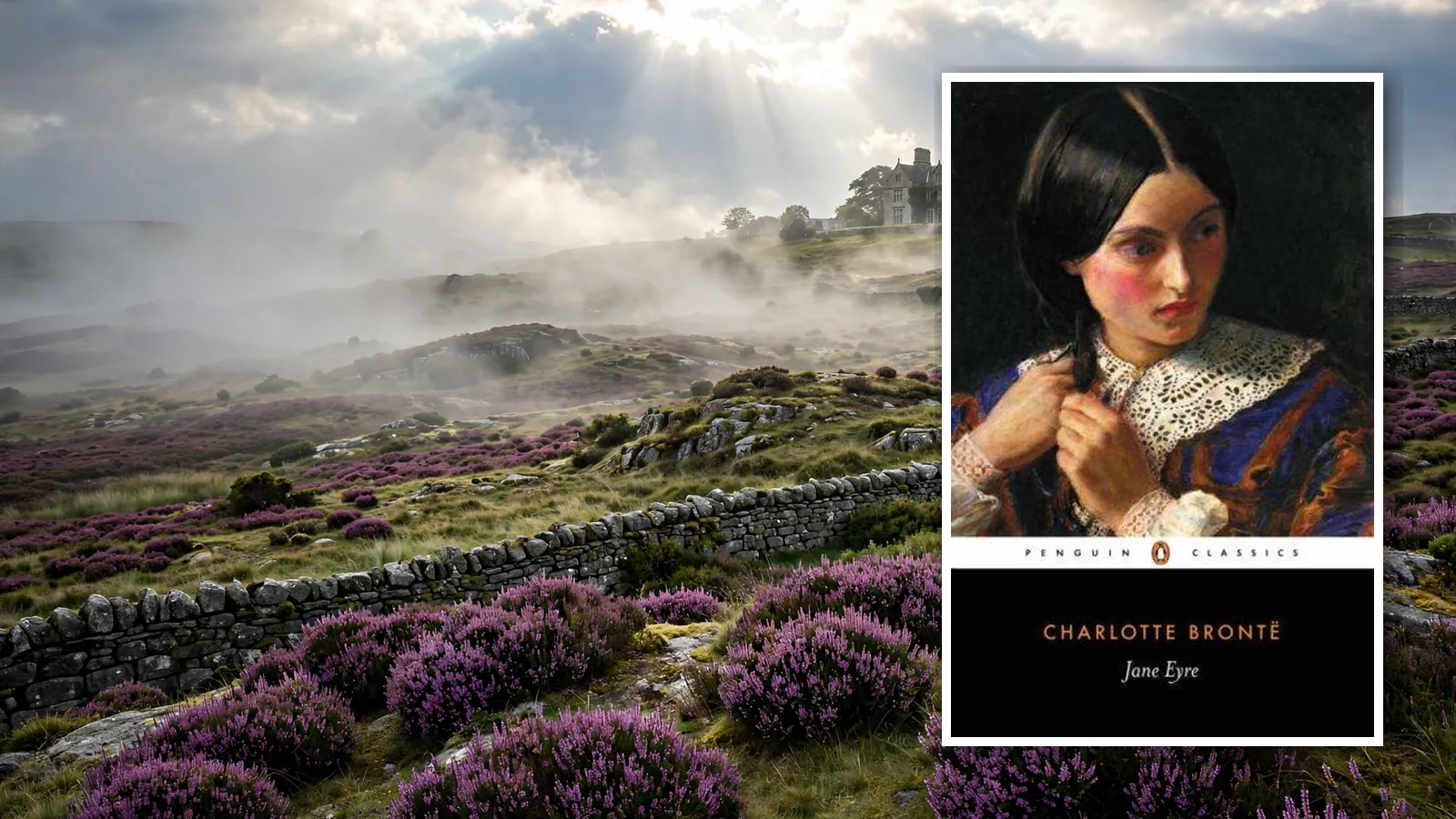
Rain keeps Jane indoors, and that is where the story starts. “There was no possibility of taking a walk that day.” Charlotte Bronte published Jane Eyre in 1847 under the pen name Currer Bell, and its first line is as plain as the heroine herself. Jane is ten years old, living with an aunt who does not love her, in a house where she does not belong. A walk is cancelled. A book is picked up. A cousin throws it at her head.
The whole novel grows out of that small, unfair afternoon. Jane is poor, plain, and angry, and she refuses to apologize for any of it. The opening line sounds ordinary. The book that follows is anything but.
At a glance
Genre: Gothic romance, coming of age
Author: Charlotte Bronte
Year: 1847
Goodreads rating: 4.16/5
Buy: Jane Eyre on Amazon
What makes the line last is how much it promises. A girl with no power, no money, and no friends is about to tell her own story, in her own voice, and she will not be quiet about it. Readers have been listening ever since.
9. The Great Gatsby
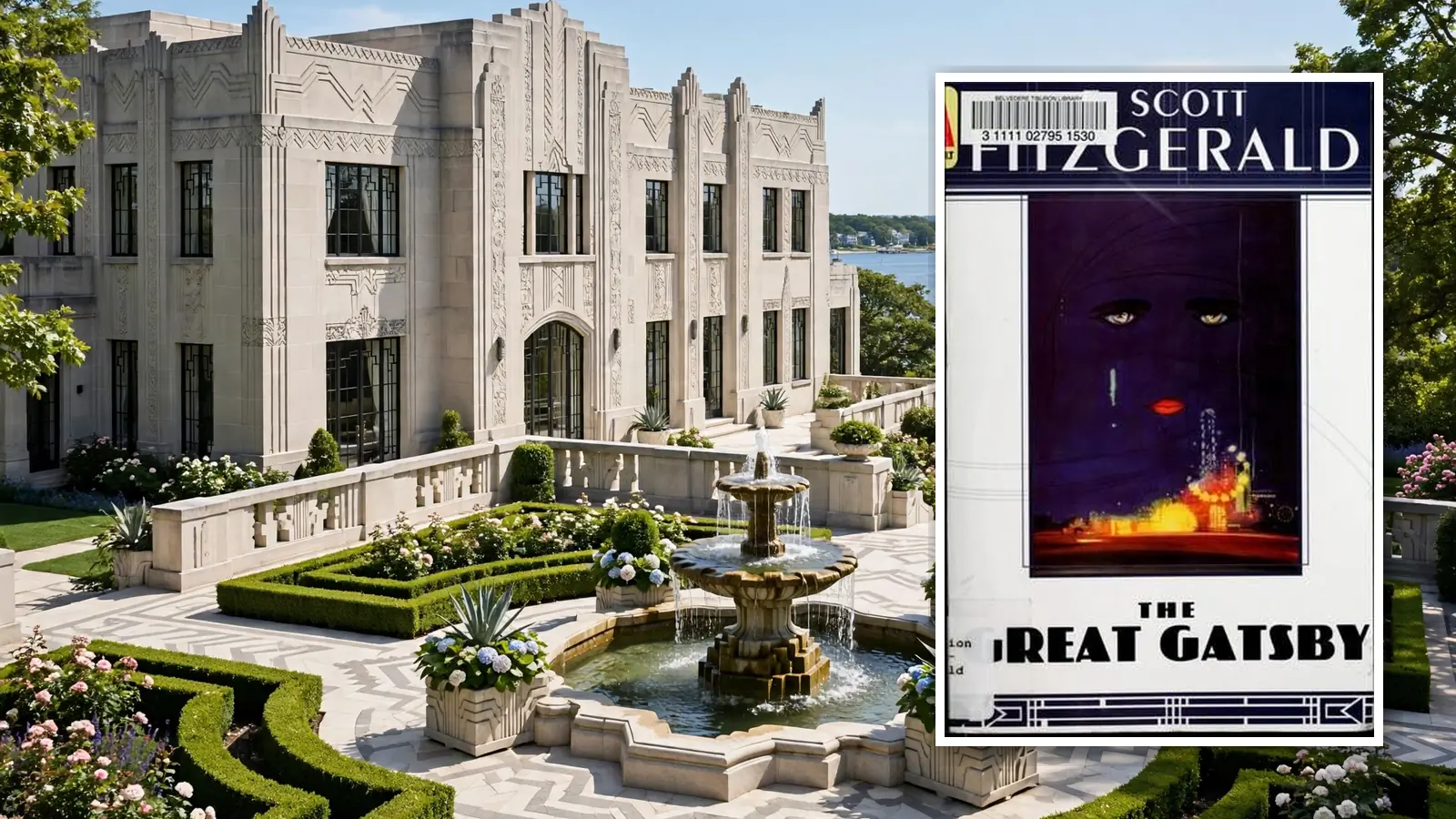
F. Scott Fitzgerald opens The Great Gatsby with a piece of fatherly advice that the narrator spends the whole novel failing to follow. “In my younger and more vulnerable years my father gave me some advice that I’ve been turning over in my mind ever since.” Published in 1925, the book is narrated by Nick Carraway, a young man from the Midwest who moves to Long Island and falls in with the rich, the restless, and the doomed.
The advice is to reserve judgment, to remember that not everyone has had his advantages. Nick tries. He really does. Then he meets Jay Gatsby, a man who built an empire out of nothing for the love of a woman, and judgment becomes impossible. The opening line is a promise of fairness. The novel is proof that fairness has limits.
At a glance
Genre: Literary fiction
Author: F. Scott Fitzgerald
Year: 1925
Goodreads rating: 3.93/5
Gatsby is now the most assigned American novel in schools, and this line is where every student meets it. It sounds gentle. It is a warning. The man telling you the story is already telling you he cannot be trusted to tell it straight.
10. The Secret Garden
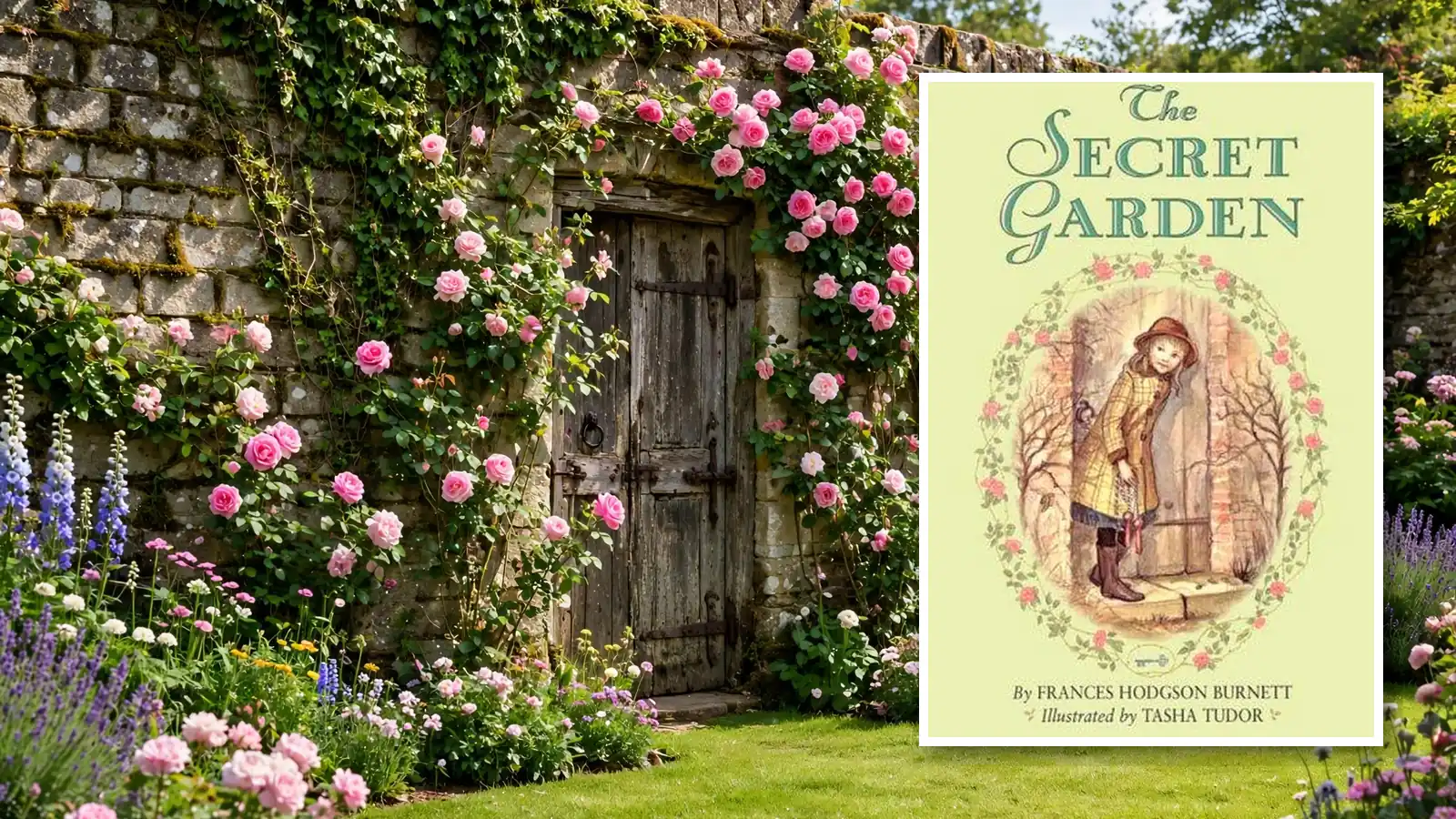
Frances Hodgson Burnett introduces her heroine with a sentence that does not flatter her at all. “When Mary Lennox was sent to Misselthwaite Manor to live with her uncle everybody said she was the most disagreeable-looking child ever seen.” The Secret Garden was published in book form in 1911, after running as a serial in a magazine, and Mary is one of the least lovable heroines in children’s fiction.
She is spoiled, sour, and recently orphaned, shipped from India to a cold, lonely house on the Yorkshire moors. Nobody wants her there. She does not want to be there. Then she finds a key, and a door in a wall, and a garden that has been locked for ten years. The disagreeable child starts to change, and the garden changes with her.
At a glance
Genre: Children’s classic
Author: Frances Hodgson Burnett
Year: 1911
Goodreads rating: 4.17/5
The line works because it is honest. Burnett does not ask you to like Mary. She asks you to watch her grow, and growth is the whole story. More than a century later, children still meet Mary the same way: disagreeable, and impossible to forget.
11. Pride and Prejudice
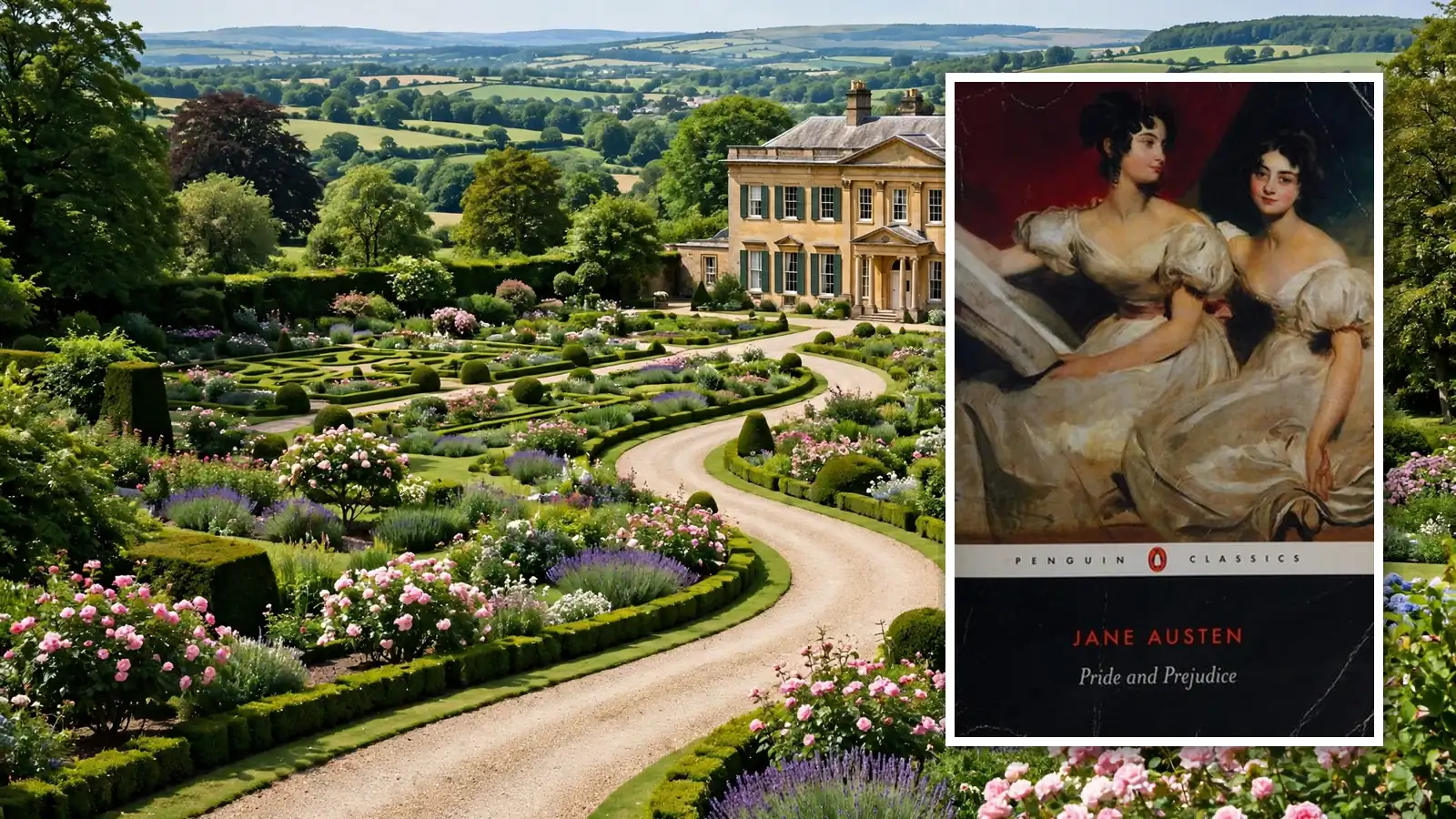
The most quoted first sentence in English fiction is also a joke. “It is a truth universally acknowledged, that a single man in possession of a good fortune, must be in want of a wife.” Jane Austen published Pride and Prejudice in 1813, and its opening line sounds like a fact of nature. It is not. It is the voice of a neighborhood full of mothers with daughters to marry off, stated with a straight face.
The single man is Mr. Bingley, newly arrived, rich, and unmarried. The wife he is supposed to want is any one of the five Bennet sisters. Elizabeth Bennet, sharp, funny, and quick to judge, wants no part of it. The novel that follows is a comedy about first impressions, and its first sentence is itself a false first impression.
At a glance
Genre: Romance, novel of manners
Author: Jane Austen
Year: 1813
Goodreads rating: 4.30/5
Austen keeps the joke running for three hundred pages. Every character who believes the opening line gets it wrong, and every reader who believes it gets a surprise. That is why the line is still quoted, still taught, and still funny more than two hundred years later.
How to read this list
Then read that book’s first chapter tonightRead the lines aloud
Most of these were built to be heard, not just seenCompare translations
Anna Karenina reads differently in Garnett and in Pevear and VolokhonskyStart short
Three words got Moby-Dick going. Yours can start anywhere
Eleven books, eleven first lines, and not one of them wasted. The shortest is three words. The longest is 119. Some are funny, some are dark, and one is a ghost story disguised as a fact. What they share is confidence. Each writer knew exactly what their book was, and said so in the first sentence.
If you have never read one of these, start with its opening line and keep going. The first sentence is a door. The rest of the book is the house behind it. Pick a door, walk through, and see what is waiting on the other side.

John Smith is the founder and CEO of Karaoke Machines Guru. He is a karaoke tutor and karaoke enthusiast and has been passionate about karaoke since he was a child. He also writes about karaoke-related tips, guides, and product reviews on this website.
He overlooks the whole website and makes sure that everything is running smoothly. Learn more!